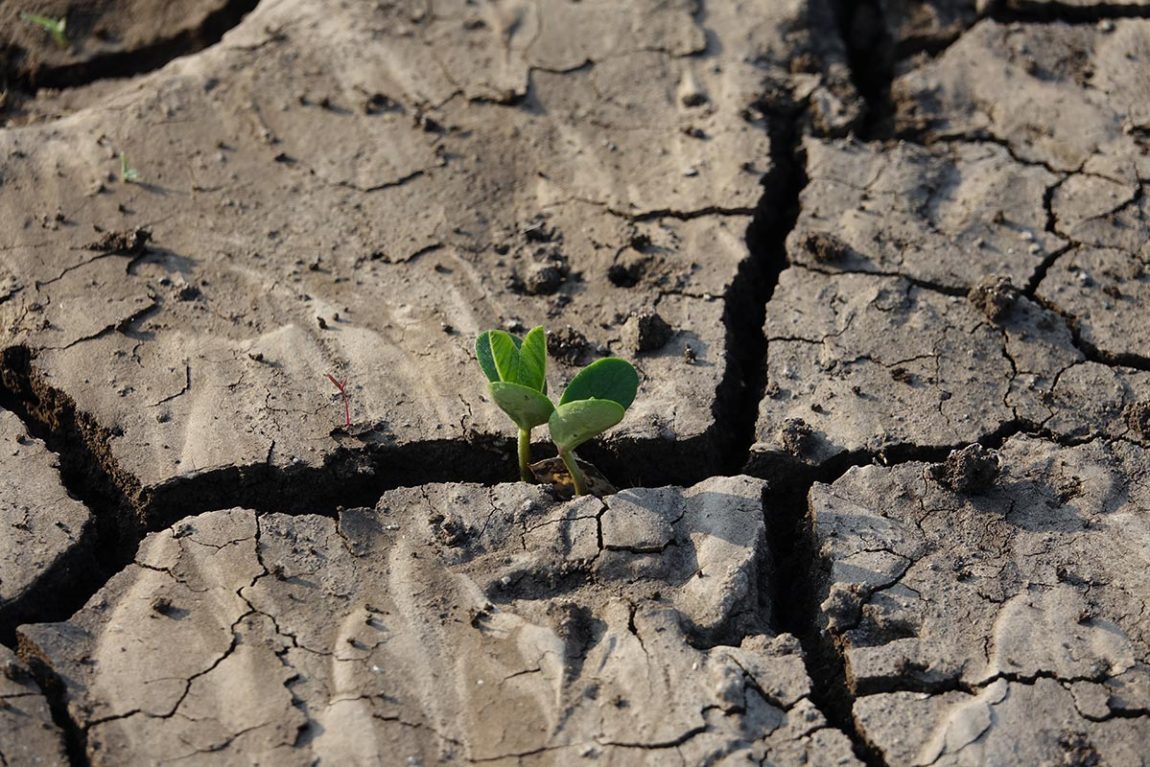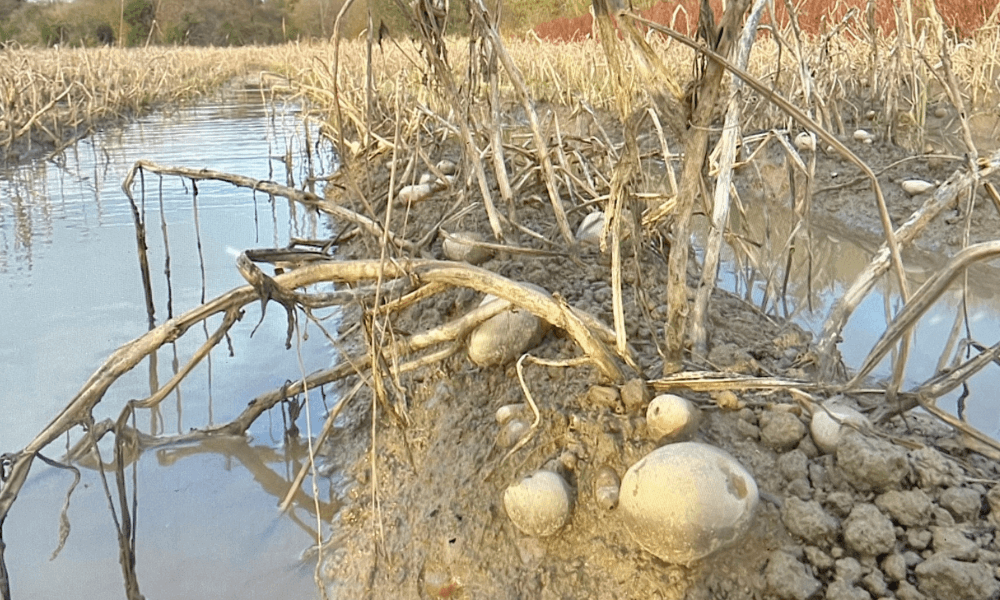
"I'm just back from a few days in Spain visiting our business in Almeria. Talk of the town there is how incredibly dry it is. One of the warmest and driest winters on record. At the same time I've got our Patrick on the phone from Lancashire telling me "raining again….it's biblical….fields saturated….can't dig, can't plant". Unbelievable!
Opinion piece from Tim O'Malley - Nationwide Produce
It's grim out there. It's basically not stopped raining here since October. The weather forecast has been "it's raining" or "it's just rained" or "it's just about to rain". As a company, we're involved in just about every type of fresh produce. We buy the lot! And we're spending infinitely more time than we used to dealing with global weather issues. In summary for this last year, it been too wet in Northern Europe, too dry in Southern Europe, too wet in Africa and El Nino has caused chaos throughout South America. With regards to the latter, three of the main countries we import from – Brazil, Peru and Mexico – have been battered by El Nino. Asparagus has hit £80/box. Countries like Zimbabwe, Tanzania & Kenya, where we import products like Mange Tout, Sugar Snaps and Fine Beans from, have suffered a prolonged wet season. It's a constant battle but our procurement team does a sterling job of regular communication with our growers around the world. Not just asking them about the current orders but also about how it's looking going forward. Information is key.
Back to Blighty and parsnips as a case in point. It looks like the UK will soon virtually run out of snips. Never known that before. We're down to a trickle of UK snips due to disastrously poor yields caused by the crop sitting in water. As a nation, we mainly import our snips from Spain but they won't be ready until around mid-May. It's a similar picture on carrots although not quite as tight as there's more import options. We're already working imported carrots alongside the ever-decreasing volume of UK.
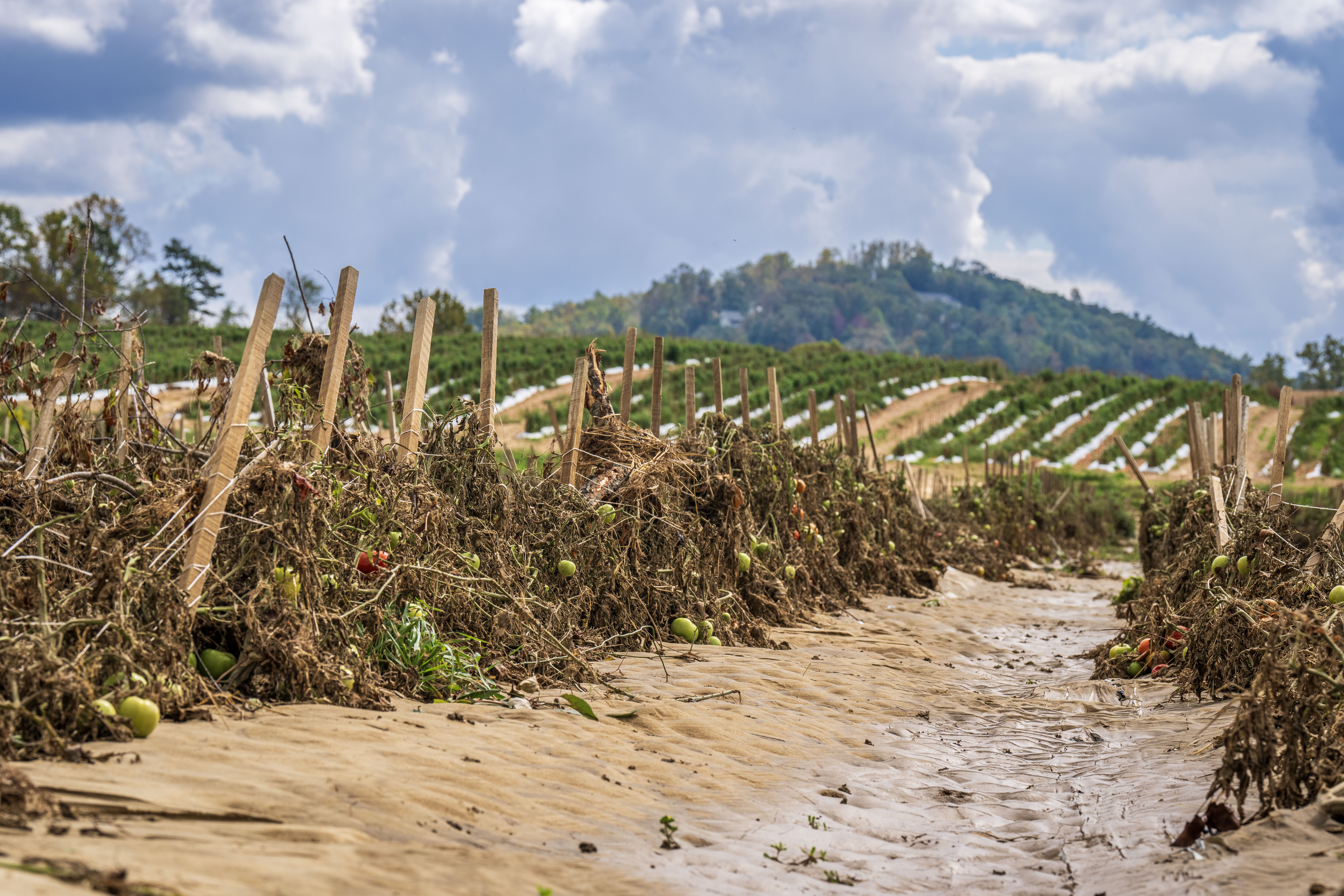
Imagine this as a UK grower. You sow your land with carrots in April. Then around November you cover your fields in expensive black poly with straw on top to protect against frost. Then you hope to harvest the crop at the back end of the season, around April/May, to either achieve a high price on the spot market or prevent you from having to buy expensive imports if you're contracted. But the reality is, you watch them sit in water and rot. So, you will end up pulling up the poly/straw and ploughing them in. And if you're contracted, your customer will expect you to buy expensive imports to cover the shortfall. Eye-watering losses! And as a grower, absolutely soul destroying. I'm afraid that is a reality this season and not just for carrots. So many crops have been ploughed in due to sitting in water too long and rotting in the field. I've said it before and I'll say it again, the risk to reward factor for growing outdoor veg crops in the UK is off the chart. It's no wonder we're seeing huge lumps of UK land being taken out of direct food production for the government's barking mad SFI (Sustainable Farming Incentive) scheme. It's basically a scheme whereby the government pay farmers to "protect nature, create habitats and plant food sources for wildlife". One such food source being winter bird food. It's not a big payment but here's the thing, it carries no risk. It's easy money. By the end of March, the government had received no less than 15,000 SFI applications. What bright spark in the government thought "we import around two-thirds of our fresh produce, I know, let's pay growers to turn perfectly good food producing land over to….bird feed!". They remind me of Baldrick's "I have a cunning plan….". After much criticism, a couple of weeks ago the government backed down and introduced a 25% cap on the percentage of land that can be entered into the scheme. Too little, too late!
I reported back in November that spuds would be tight and since then, conditions have only deteriorated for our biggest crop. It's been a disastrous season for spuds. Plantings well down, yields decimated and crop left in the ground to rot due to the wet weather. And now we're struggling to plant the next crop and potato seed has been exceptionally short and expensive, again, all down to the wet weather. So, it's looking like another potentially difficult season for spuds.
Over the next few months, I can only see availability for veg remaining tight, much higher than usual levels of imports and therefore even higher prices.
We've had two exceptionally difficult UK veg growing seasons and it looks like we're probably heading into a third. Just about all UK veg crops are suffering from late planting at the moment particularly in the west of the country. However, let's finish on a brighter note. It's early days and a nice spell of warm, windy, drying weather can literally change everything so fingers crossed. And if all else fails I'm sure the Baldricks will have another cunning plan to save us.
Source - https://www.nationwideproduce.com