France - Producers hit hard by hail storms

23.06.2022 873 views

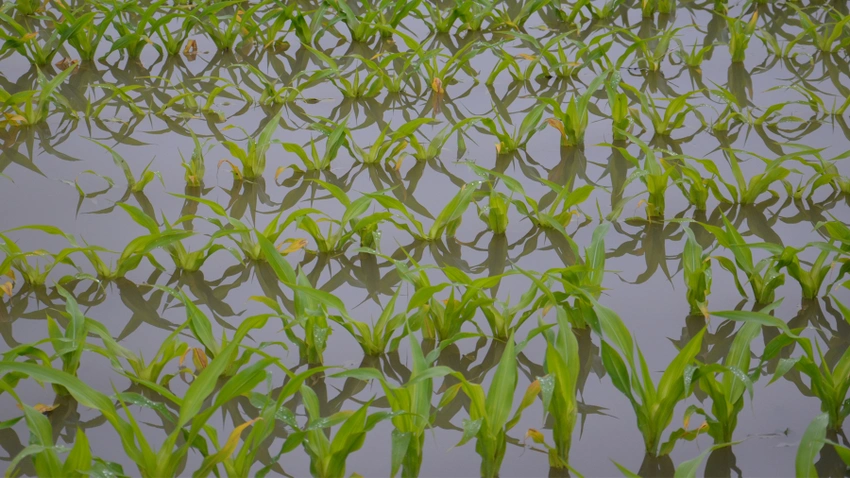
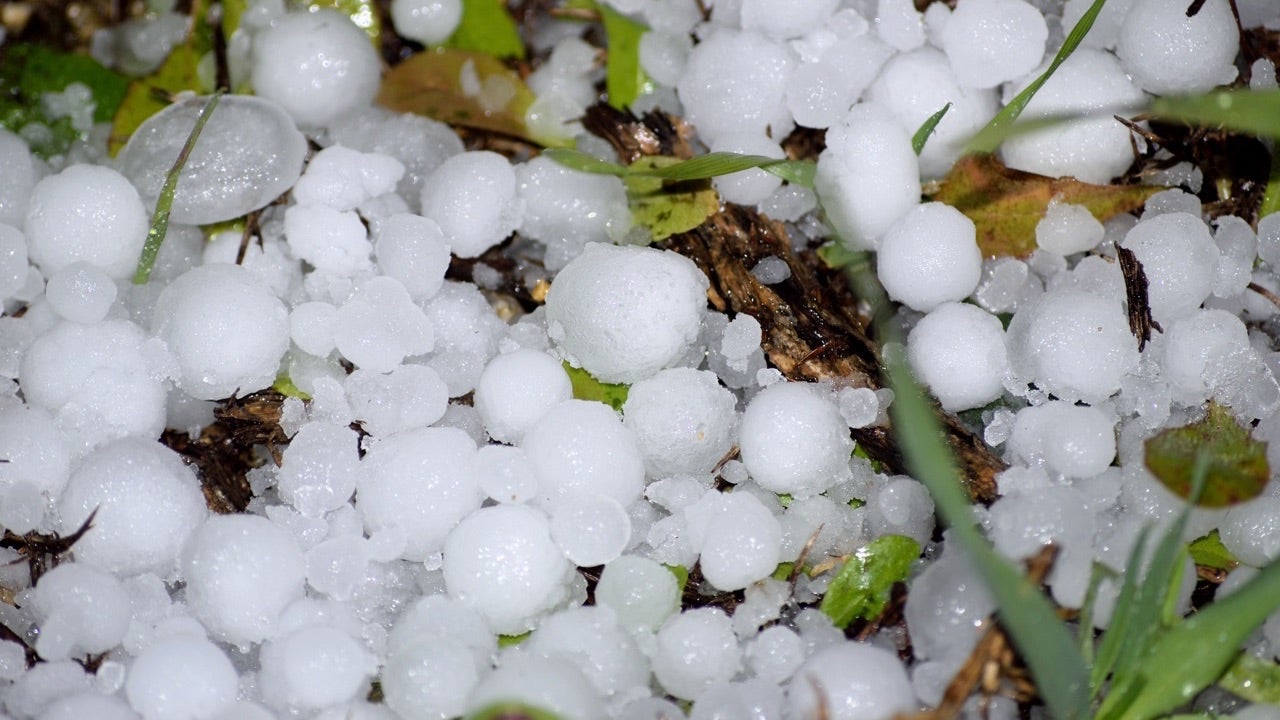
Very violent hail storms hit France in the night from Sunday to Monday. Nearly 21 departments had been placed under orange alert for thunderstorms by the French weather service, Météo France. Several producers have already reported damage to their productions. 

After the heatwave, producers must now juggle hail storms. The French departments of Gironde, Charente-Maritime, Landes and Pyrénées-Atlantiques are among the most affected. But the Indre, Loiret, and Lot-et-Garonne have also suffered from the weather.

Some producers have even lost 45% of the roofs of their greenhouses.

Météo France has reported that the storms were “virulent” in some parts of the southwest, with “hailstones of several centimeters in diameter, wind gusts of 105 km/h in Bordeaux, and intense rainfall.”

In the Lot-et-Garonne, a producer saw his zucchini production go to waste in just a few minutes because of the hail storm.

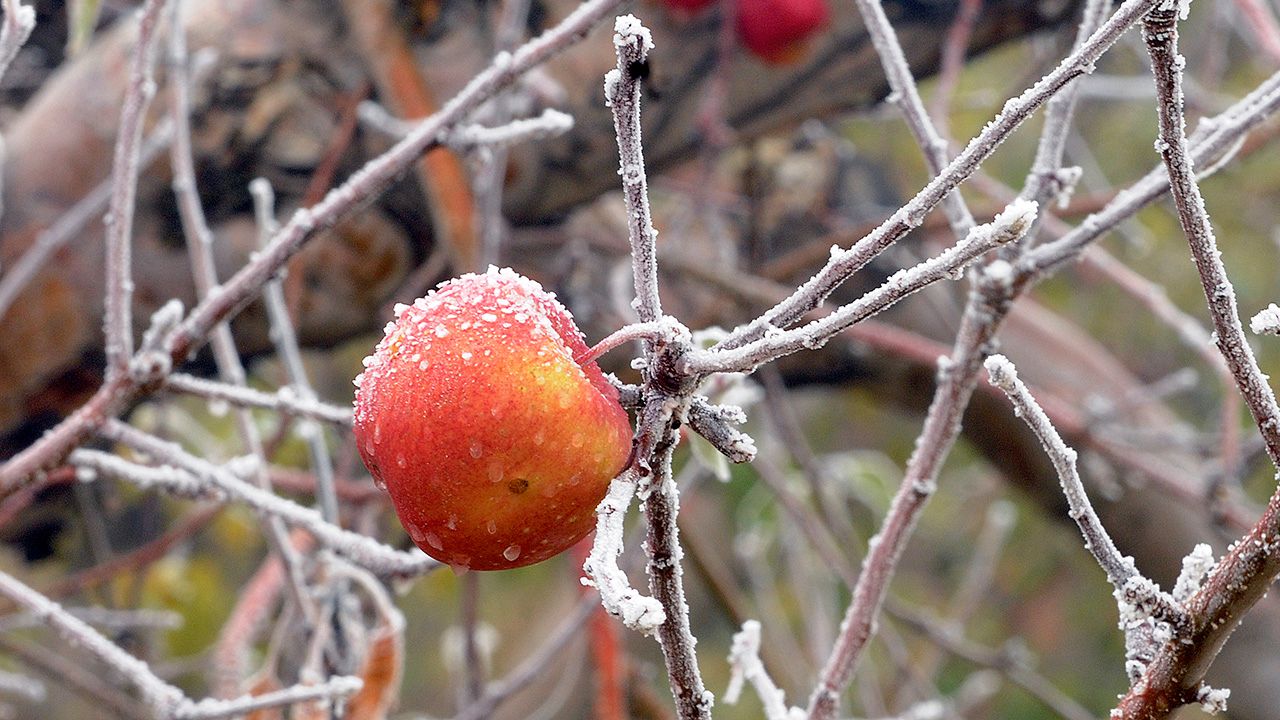
In short, after the last frost (April), the drought (since January), the heatwave (May), the hail (early June), and another heatwave (mid-June), producers have suffered from another hail episode.

Some damage has already been reported in the Loiret department.

Frost, hail, heatwave… “This raises the issue of climate change which makes these episodes more frequent and increasingly violent,” as indicated earlier this month by minister Marc Fesneau, who hopes that protection systems against such weather hazards will be set up “in the medium to long term”, along with better insurance coverage.  

Crisis unit open in Dordogne
In order to help the farms face this situation, the Chamber of Agriculture of Dordogne has set up a crisis unit and telephone number. Professionals can report the damage to their crops, facilities, or equipment, and the Chamber of Agriculture can then assess the situation and report it to the French Ministry of Agriculture. 

Source - https://www.freshplaza.com

19.01.2026

FAO issues new guidance on food safety risks linked to climate mitigation chemicals in agriculture

As governments and agribusinesses race to curb greenhouse gas emissions while feeding a growing global population, the UN’s Food and Agriculture Organization (FAO) has released new guidance to help policymakers and industry assess food safety risks linked to emerging climate-mitigation chemicals used in agriculture.

19.01.2026

Indonesia pushes agricultural downstreaming to boost farmers’ income

Agriculture Minister Andi Amran Sulaiman has called on regional governments to accelerate downstreaming of local agricultural commodities - particularly coconuts, cashew nuts, and cocoa - to increase added value and raise farmers’ incomes. 

19.01.2026

Japan struggles to weed out plant threatening agriculture, ecosystems

The seemingly innocuous alligator weed, or Alternanthera philoxeroides, poses a real problem, especially to rice farmers.

19.01.2026

Canada - Kamsack-based Nytro promotes Green Lightning technology

The Green Lightning system uses electricity to convert water into nitrogen-rich fertilizer, with larger units designed to meet the needs of farm operations.

19.01.2026

Ireland - Almost €2.9m issued in farm scheme payments last week

Just under €3 million was issued in various farm scheme payments last week by the Department of Agriculture, Food and the Marine (DAFM).

19.01.2026

India - Horticulture Director gave his suggestions in the National Conference of Crop Insurance Scheme

A two-day National Review Conference was held in Bengaluru under the Pradhan Mantri Fasal Bima Yojana. 

18.01.2026

India - Bihar Launches Online Crop Loss Compensation Scheme: Farmers Can Claim ₹7,500–₹10,000 per Hectare

The Bihar government has announced financial assistance for farmers affected by crop losses under the Bihar State Crop Assistance Scheme. 

18.01.2026

Afghanistan - $30m new cold storage facility opens in Kabul to boost agriculture

The Ministry of Agriculture, Irrigation and Livestock (MoAIL) has inaugurated a new cold storage facility in Kabul, saying it will help reduce agricultural waste, cut imports, and strengthen the economy.