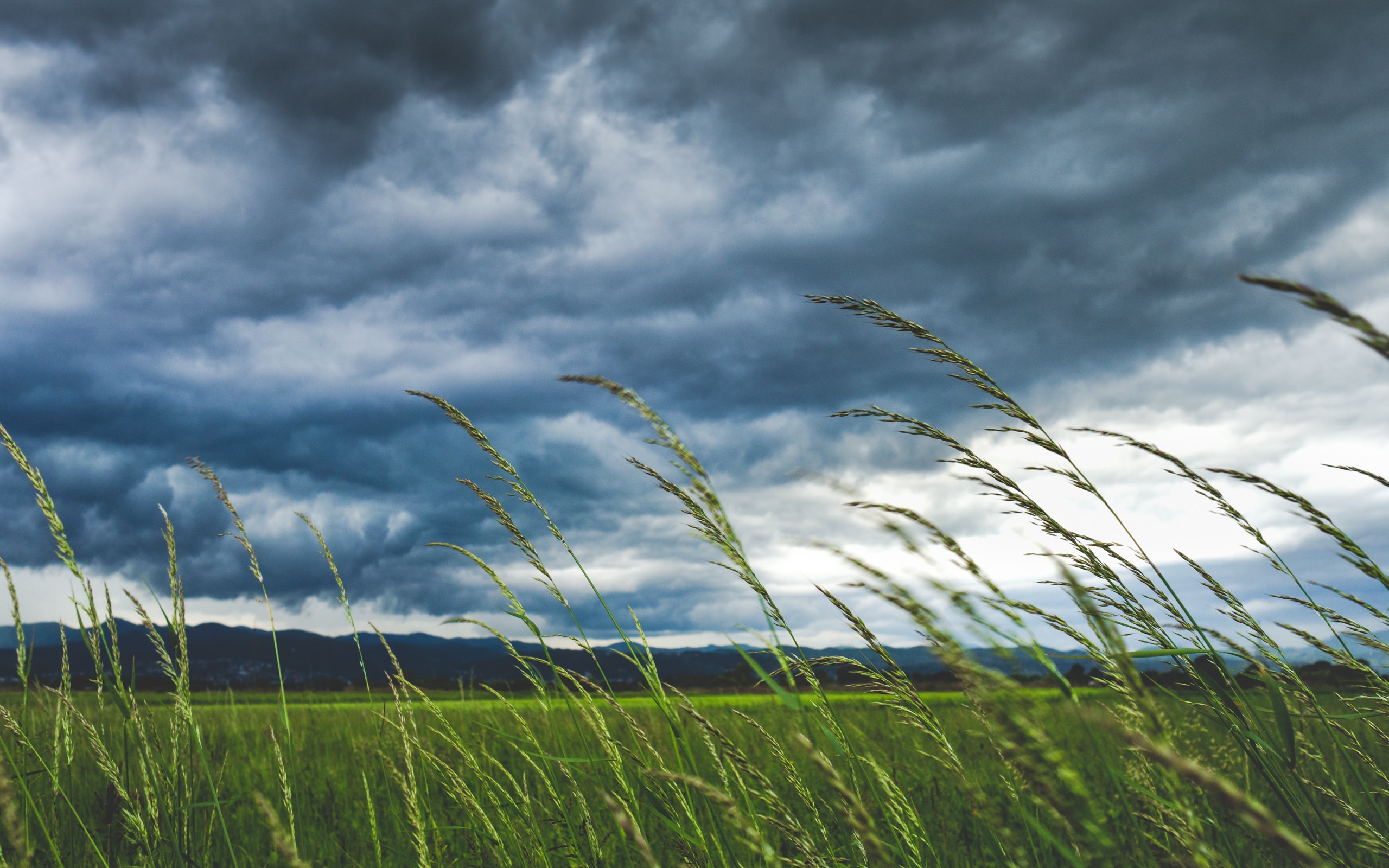
Ice storms in Texas, wildfires raging throughout Europe and killer floods from China to India. This year has been the hottest summer in human history with extreme weather events so frequent that the World Meteorological Organisation called them "the new norm."
Recently Category 5 Hurricane Otis wreaked havoc in Mexico with nearly 50 people losing their lives and over half million displaced. AI can now help better predict where disasters could strike next.
"We have seen that artificial intelligence can create some breakthroughs," Himanshu Gupta, CEO and co-founder of Climate AI, tells CGTN Europe. "It can help us simulate the pathways of hurricanes from the limited data that we have which allows us to get more reliable insights into which cities are at most risk by hurricanes than in a normal scenario."
While AI could bring big leaps in weather prediction, it is not here to replace meteorologists, Gupta stresses. Man and machine working together is the future. But what machine learning can do is process vast amounts of data and historical weather patterns to better understand and predict future extreme events.
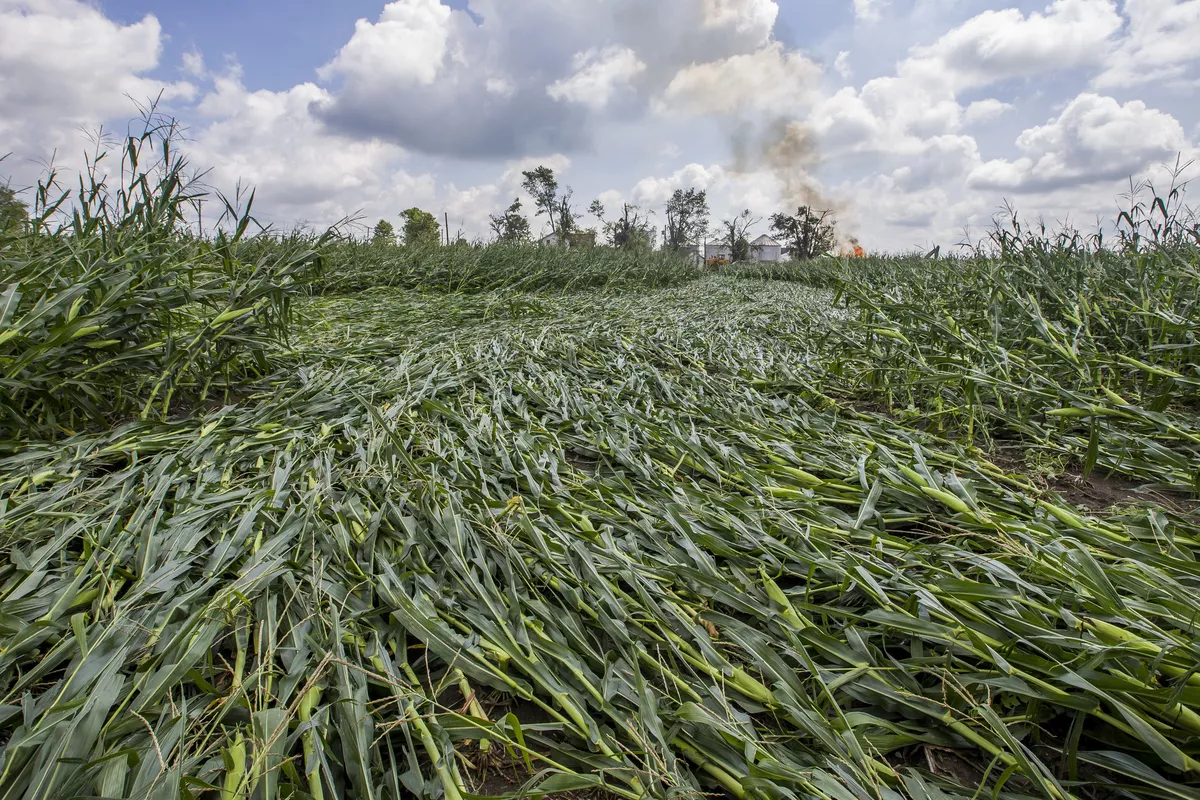
Food supply chains are another huge concern with climate change and more extreme weather events like floods, droughts, and hurricanes. Imagine the damage done to crops by ever more frequent natural weather disasters. Gupta says AI can help focus on innovating specific prediction models.
"Let's say, you want to grow a drought resistant tomato in Spain," Gupta continues. "It will take them two to three years to figure out the location and to conduct trials and it's now all being done manually with teams on the ground.
"By factoring in ten years, 20 years of climate change, we can help them simulate the performance of the seeds in those locations, but also what is the right location. So a process that takes two or three years now takes minutes for them and the process that costs them millions of dollars, now basically costs hundreds of thousands of dollars."
Will AI save us from climate change?
AI can help develop the technology that will help us adapt to and potentially even reverse climate change. Andrew McAfee, a Harvard-based AI expert, was asked at the Web Summit in Lisbon whether he was afraid of AI and robots ending humanity.
He said he was far more afraid of climate change and interested in AI's potential in understanding and mitigating some of its worst effects. He gave the example of AI's ability to better calculate carbon footprints, for example, nuclear energy modeling, adding that it can also help develop new carbon removal systems.
AI is still in its infancy, and while it is growing at a vertiginous rate, whether it can match the pace of climate change remains to be seen.
Source - https://newseu.cgtn.com