The Ministry of Agriculture, Water and Land Reform (MAWLR) has put several measures in place to ensure the resilience and sustainability of food production in the country as effects of climate change continue to wreak havoc in the sector.
Namibia is one of the driest countries in sub-Saharan Africa affected by climate change and variability. The agriculture sector plays a pivotal role in the country’s socio-economic development, as most of the rural population depends on farming.
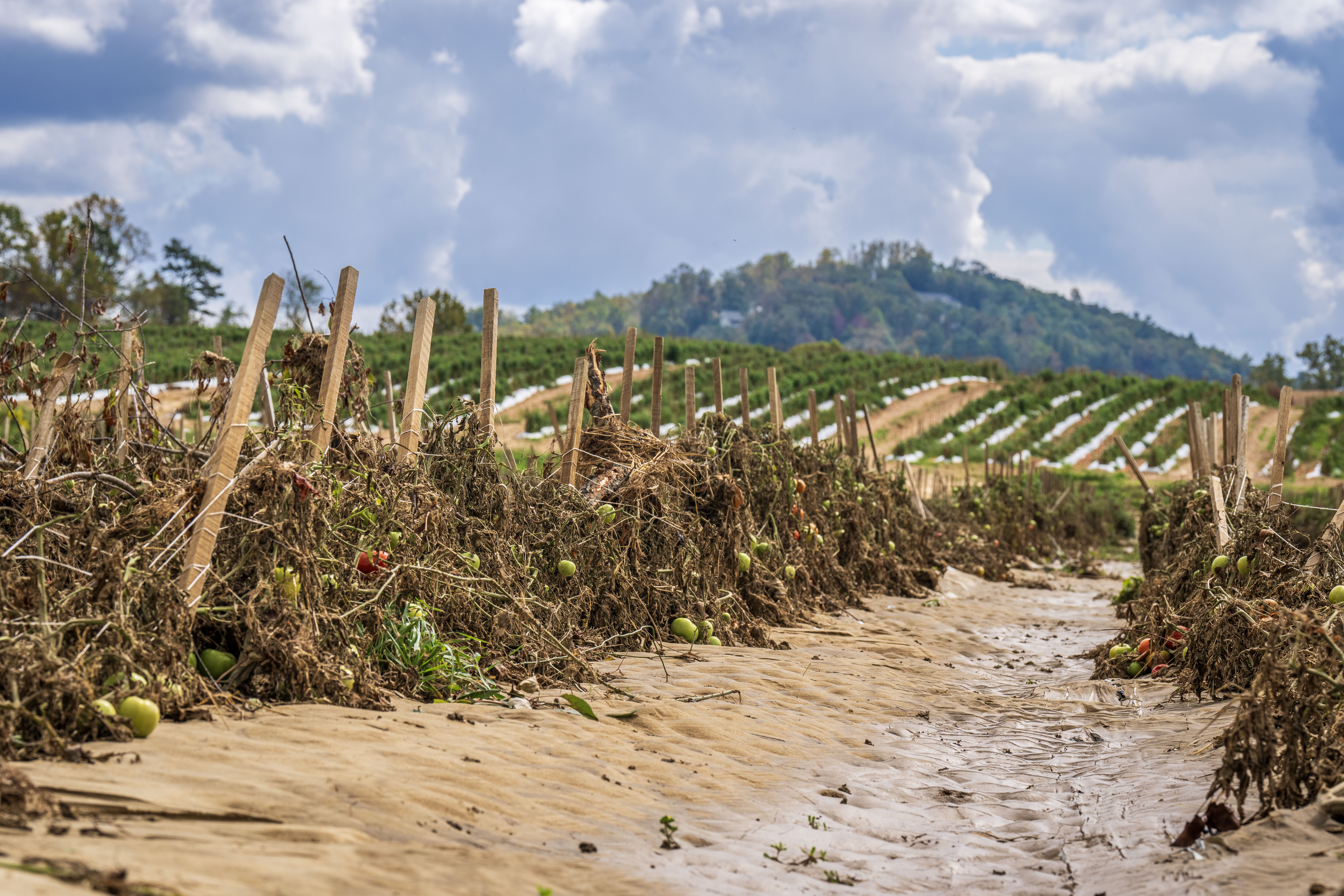
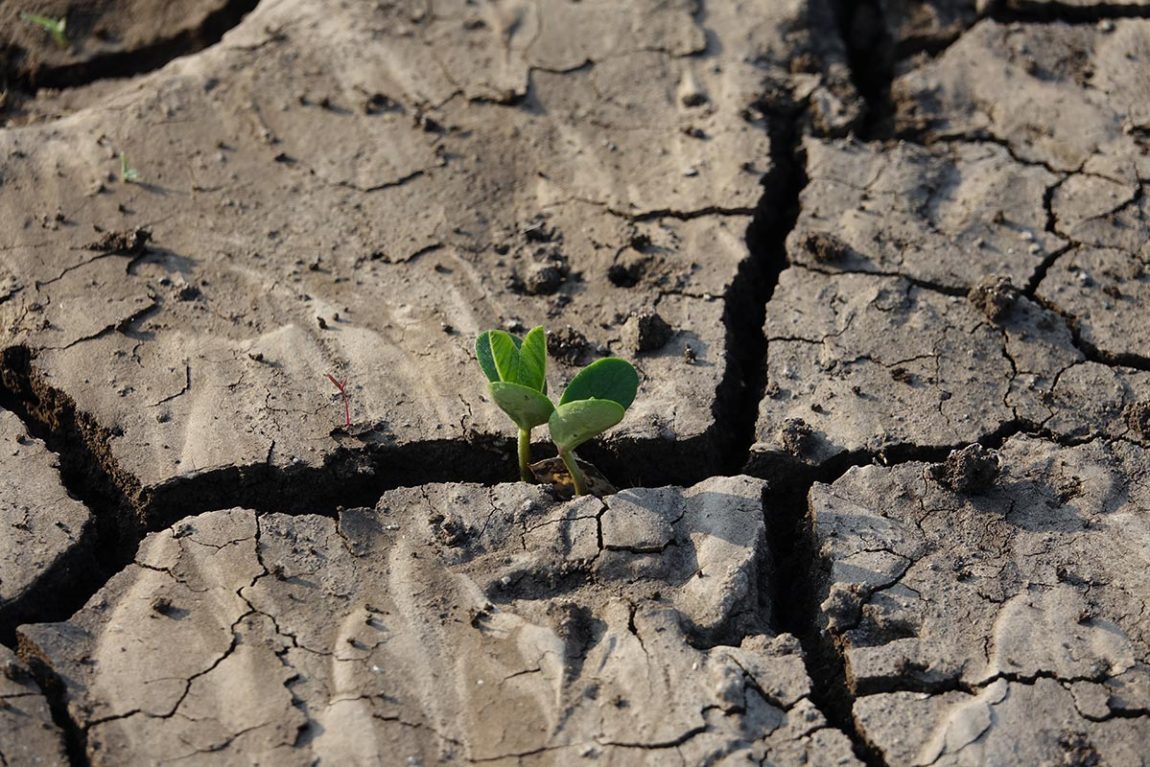
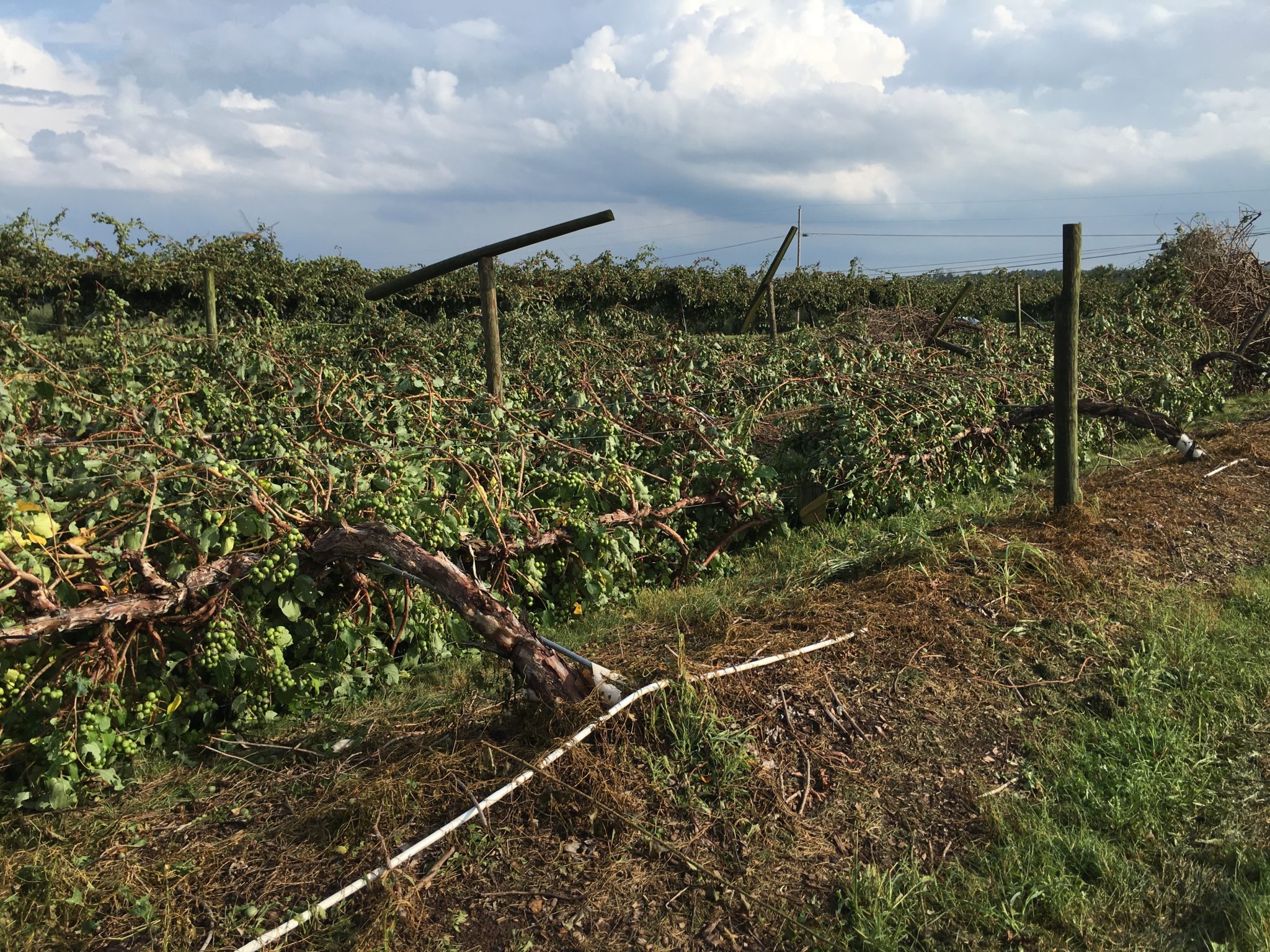
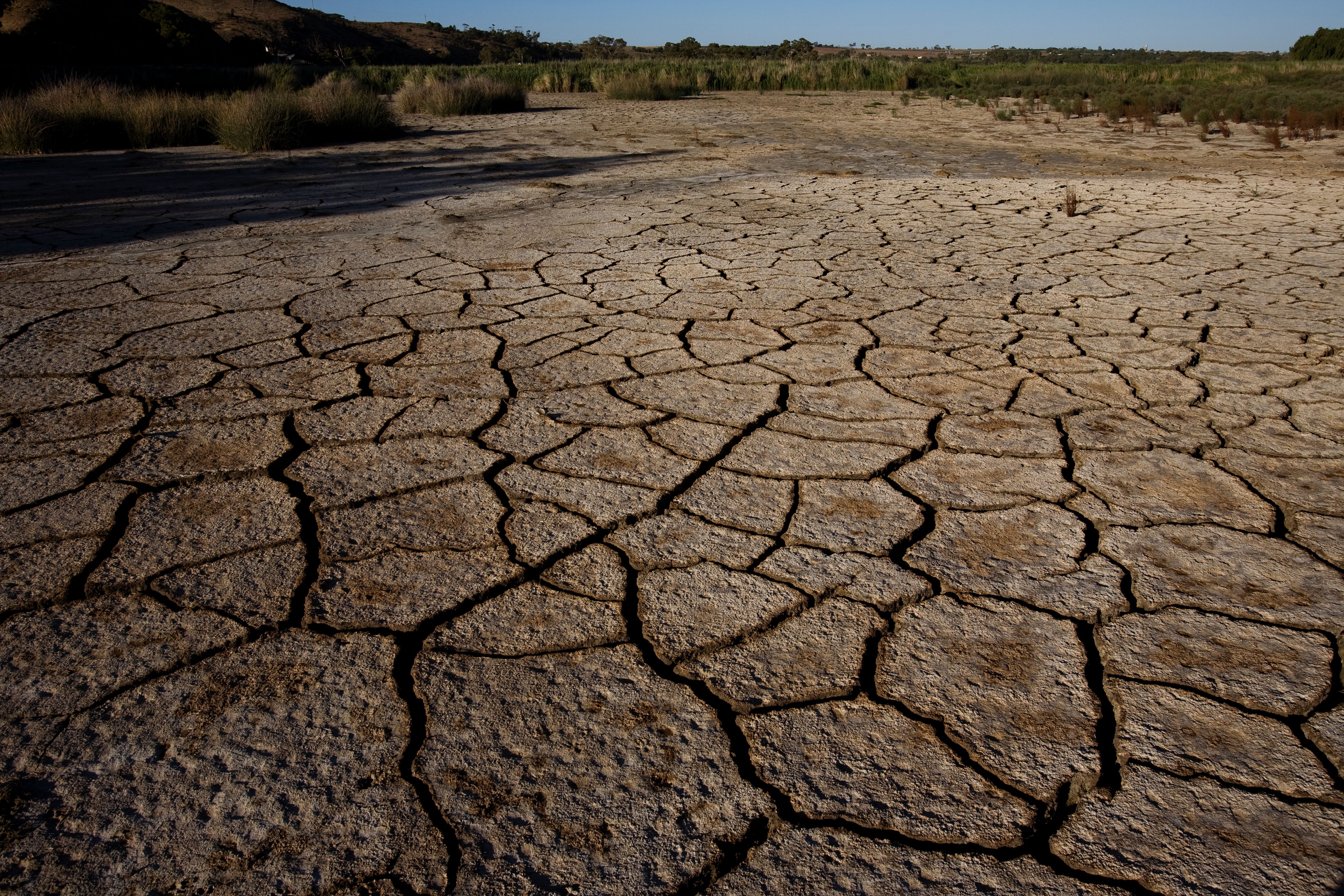
“Climate change is real and Namibia has started to experience and record unusual weather patterns, especially for the past 10 years–from low rainfalls to extremely harsh sunny days or prolonged rainfalls. This change in weather patterns has seen a lot of farmers, especially crop producers, losing their crops at a very infant stage or being destroyed near harvest time. The Namibian Climate change has put food production at risk,” said Chrispin Matongela, the deputy director for public relations in the agriculture ministry.
According to the March 2024 Agri-Review by the Namibia Agricultural Union (NAU), the agricultural sector continues to grapple with diverse challenges, including weather uncertainties and shifting market dynamics.
VIGILANCE URGED
The commercial farmers union has urged all agriculture stakeholders in the country to “remain vigilant and adaptive in 2024”, adding that managing operational losses amid agricultural inflation was crucial.
“With drought looming, which may further impact rangeland, and strain farmers financially, we are likely to witness an increase in marketing, specifically live exports to South Africa, as farmers are left with no other choice but to reduce herd numbers. It is imperative that the government and industry role players remain proactive to mitigate the effects of drought, and to ensure farmers are safeguarded against the challenging year that lies ahead,” the NAU said in its agricultural review compiled by their economist, Leigh-Ann Nehoya.
Matongela said the government had put in place conducive policy-driven interventions and various strategies to mitigate the negative impacts of climate change. The interventions include the creation of resilience and adaptation projects to climate change.
“The ministry has been promoting climate-smart agriculture techniques such as Conservation Agriculture (CA), Good Agriculture Practices (GAP), the use of drought-tolerant improved seeds, water-saving techniques (drip irrigation), water harvesting, the use of indigenous knowledge combined with modern technologies on early warning,” he said.
Value chain programmes have been implemented in some subsectors in order to promote resilience and capacity building among farmers by promoting climate-smart agriculture.
BUILDING RESILIENCE
The ministry of agriculture, in partnership with the United Nations Development Programme, is implementing a programme aimed at strengthening and building the resilience of Namibia’s peri-urban communities to climate change, through climate-smart agriculture production, access to solar technologies, climate information and early warning systems.
Matongela said during the 2024/25 financial year the ministry plans to launch and commence with the implementation of some key policies and strategies that are expected to bring about a positive impact to the agriculture sector. These are;
• The Revised National Drought Management Policy and Strategy,
• The National Agriculture Investment Plan (NAIP) 2023-2030 and
• The Revised National Resettlement Policy 2023.
The Revised National Drought Management Policy and Strategy is an improved version of the 1997 National Drought Policy that has clear actionable strategies that will guide the Namibian nation on how to deal with the negative effects of the recurrent drought the country is prone to.
The overall objective of the policy and strategy is to minimise the adverse impacts of drought through the implementation of strategies appropriate for each of the three phases of drought, namely adequate preparation before drought, appropriate and effective response during drought and rapid recovery and resilience after drought.
Unlike before, the strategies in the revised drought policy will also take into consideration the different agro-ecological zones of the country in preparation for and response to drought.
IMPROVED PRODUCTIVITY
The NAIP is an agriculture joint-sector plan that seeks to bring about improved productivity, competitiveness, and profitability in the Namibian agriculture sector, thereby ensuring “accelerated agricultural growth and transformation for shared prosperity and improved livelihoods”.
The Revised National Resettlement Policy presents a blueprint with which the government can address the ongoing debate about who should benefit from resettlement. The overall objective of the revised National Resettlement Policy 2023-2033 is to eliminate poverty by ensuring that the land acquired is equitably allocated and sustainably utilised for improved livelihoods. Hence, the policy seeks to redress the imbalance in land distribution and ensure that land acquired is fairly and equitably allocated and sustainably utilised to improve the quality of life of destitute and landless previously-disadvantaged Namibians. By so doing, it will enable the beneficiaries to become economically independent and self-sufficient in food production and make a contribution to the country’s economy.
Additionally, the ministry of agriculture is implementing various initiatives that are aimed at encouraging the adoption of modern agricultural technologies. Among these is the Namibia Mechanisation and Seed Improvement Project (NAMSIP).
One of the key challenges affecting food security in Namibia is the inability of rural farmers to timely access farm machinery and equipment for effective land preparation, planting, weeding, harvesting and use of improved seeds, which negatively affects agricultural production, post-harvest handling and marketing.
As a mitigation measure, NAMSIP has procured various machinery and equipment, including 380 “walking tractors” with matching implements, 298 tractors with implements and fodder equipment and 2 471 hand-operated weeding cultivators. These will enable farmers to complete their farm operations promptly, thereby increasing production while reducing the cost of cultivation and ensuring national food security.
Source - https://www.namibian.com.na