Netherlands - AI and drones aid farmers with identifying botrytis

21.03.2024 579 views

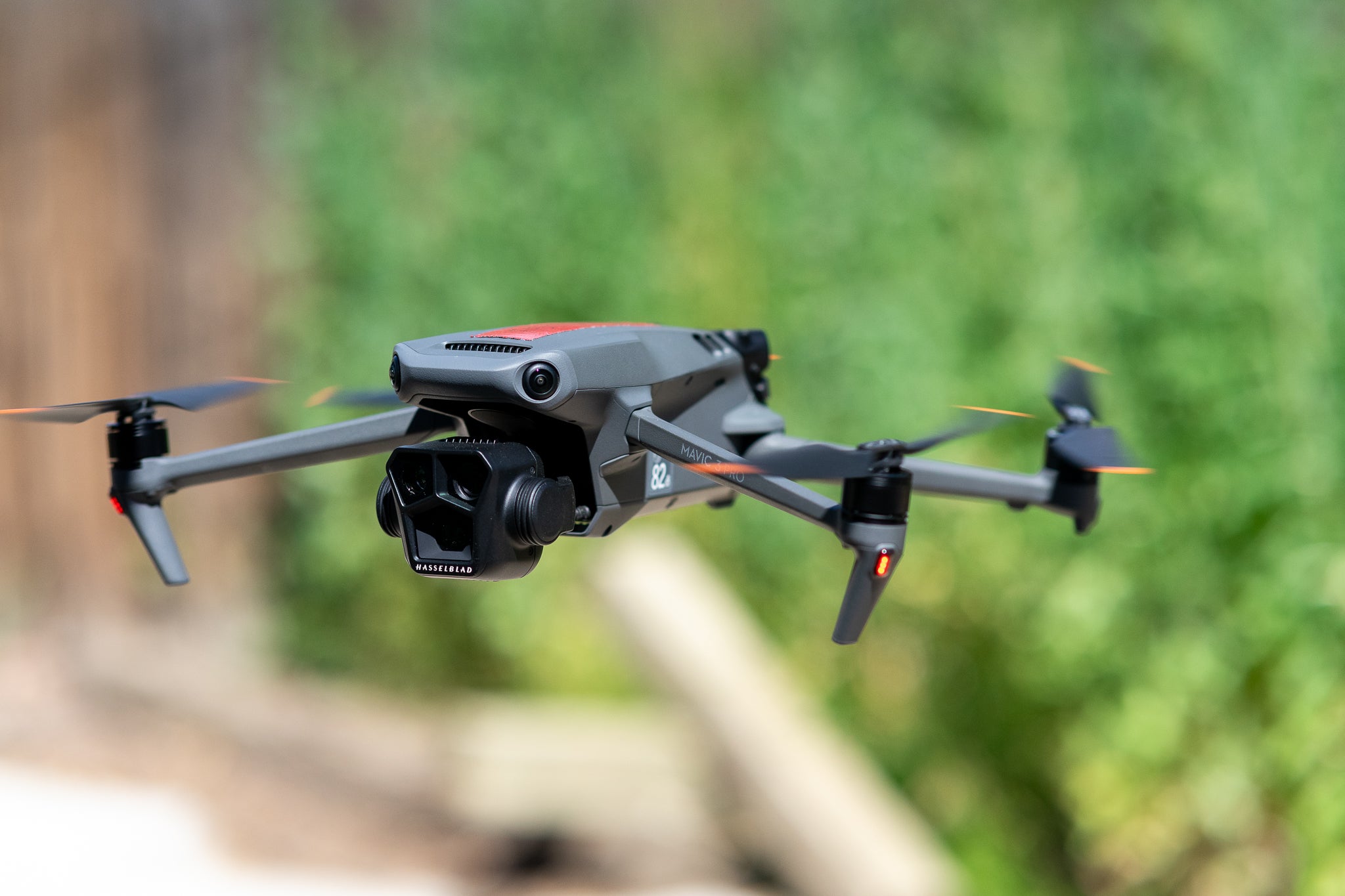
Researchers from Unmanned Valley, Greenport DB, and NL Space Campus in the Netherlands have successfully developed an AI model that enables drones to identify the disease botrytis.

The model leverages artificial intelligence to analyze vast amounts of drone data, resulting in a detailed map that pinpoints, with millimeter precision, which plants are diseased or at risk. This innovation could significantly reduce the use of crop protection agents. The final results of the ‘Remote Sensing for Horticulture’ project were presented this month.

The European Union aims to substantially reduce the use of pesticides in the coming years, as part of the European Green Deal, with the goal of making Europe the world’s first climate-neutral continent by 2050. Excessive use of pesticides poses risks to water quality and biodiversity, among other things. By early and accurate detection of conditions that could harm crops, these substances can be applied more precisely, significantly reducing their usage.

Diseases in different crops

Currently, the model is only capable of recognizing botrytis in tulips and hyacinths. However, it is expected that with a few minor adjustments, the model could also detect other diseases in different crops. This is a very interesting development for growers, not only from an environmental perspective but also for potential cost savings, such as reducing the risk of crop failures, not having to purchase large quantities of crop protection agents, and eliminating the need for manual field inspections, which can never cover every plant. Additionally, the researchers used an easily obtainable and relatively inexpensive drone that can even perform missions fully automatically, though a pilot is still required to be present for now.

The ‘Remote Sensing for Horticulture’ project will continue. Efforts will be made to improve the accuracy of the measurements by combining drone data with satellite imagery and current information on soil and weather conditions. Moreover, several large companies from the agri-sector have expressed interest in exploring whether the technology can detect other diseases in different crops. The scalability of the techniques and the development of the business model will also be examined.

Source - https://www.futurefarming.com

27.04.2026

India - Crop Ruined by Parrots is 'Damage by Wild Animals', says HC; Gives Relief

Holding that citizens cannot be forced to bear losses caused by protected wild animals, the Nagpur Bench of the Bombay High Court has ruled that denying compensation to a farmer merely because parrots were omitted from a government list would breach principles of equality. 

27.04.2026

The World Bank: Agri-risk management in Bulgaria

CAP has steered Bulgarian agriculture toward greater resilience, but the sector continues to suffer from an absence of a comprehensive risk management strategy and limited research on internal and external risks, the report concludes.

27.04.2026

USA - Farmers Broaden Risk Strategies Beyond Crop Insurance Programs

Farmers and ranchers are using a broader mix of tools to manage risk as markets, weather, and policy uncertainty continue to shift. A new report from the USDA Economic Research Service shows savings and off-farm income remain the most common risk management strategies on U.S. farms.

27.04.2026

Nigeria - Firm, FG Disburse ₦396m Insurance Payout to Farmers in Four States

The Federal Government has partnered with Leadway Assurance and PULA Advisors to pay out N396.7m in insurance claims to smallholder farmers, in a move aimed at protecting Nigeria’s food system from worsening climate risks.

27.04.2026

Ghana Targets US$3bn Post-Harvest Loss With One Million Tonne Storage Plan

Ghana loses an estimated $3 billion worth of food to post-harvest losses each year, a figure nearly equivalent to the country’s entire annual food import bill, a senior government official has disclosed, as authorities outlined a national plan to build storage and market infrastructure to reverse the trend.

27.04.2026

Australia - Farmers in WA food bowl region take $25 million cyclone hit

Fruit and vegetable producers in Western Australia's Gascoyne are estimated to have suffered losses above $25 million from Tropical Cyclone Narelle.

23.04.2026

Canada - Agricorp pays out more than $253 million after challenging 2025 season with soybeans recording the biggest losses

As of mid April, Ontario farmers claimed more than $253 million in Agricorp production insurance for the 2025 season, more than double the $115 million claimed a year earlier. 

23.04.2026

USA - Cold damages Michigan apples, peaches and cherries, MSUE say losses uneven

Michigan State University Extension educators are expecting widespread but highly variable fruit damage across the state following this weekend’s low temperatures.