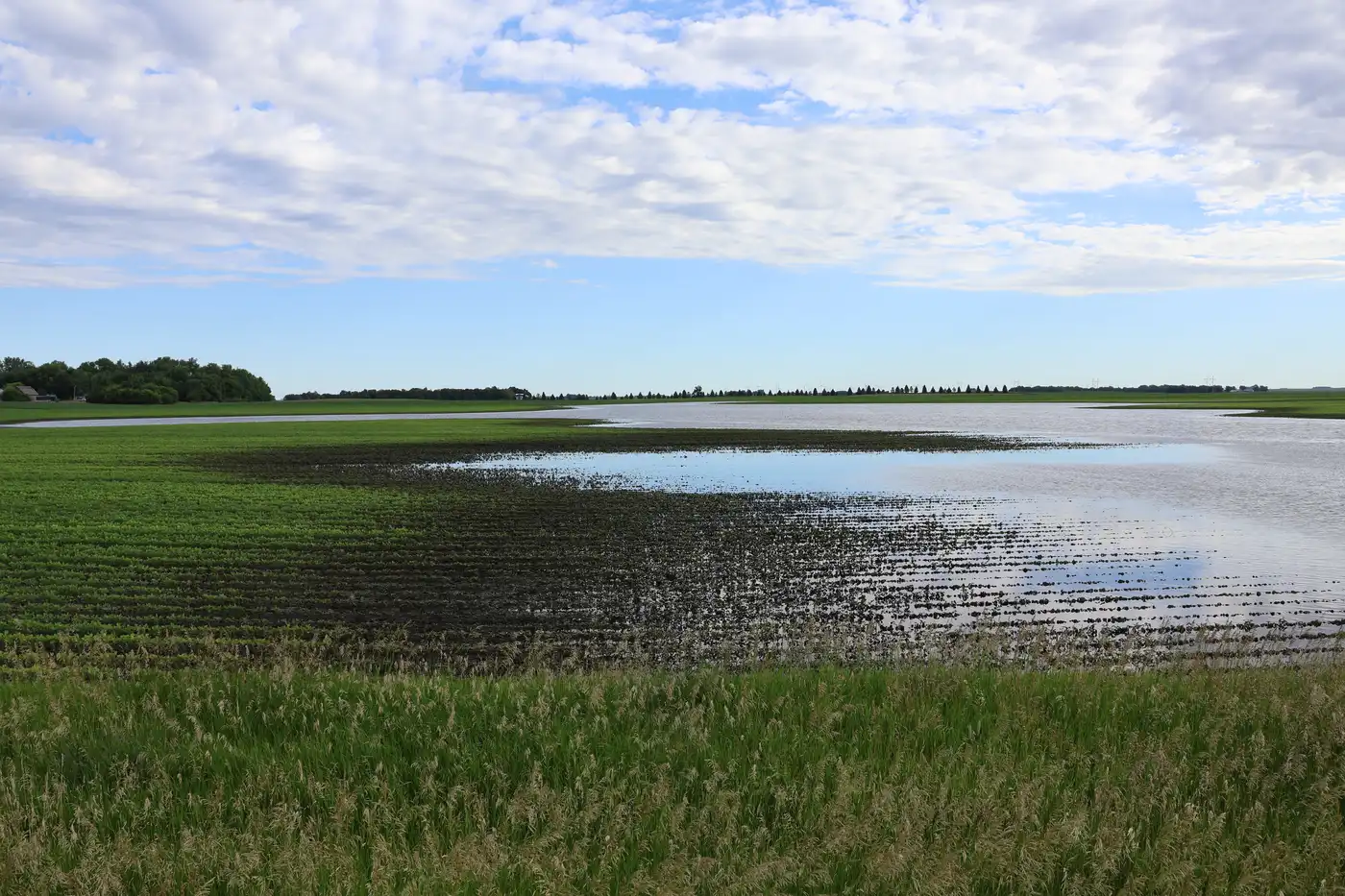
Heavy rains in Peru are challenging the wrap-up of the Peruvian ginger season. “There is little ginger underground and the ginger that remains is an old crop,” says Gino Neira, co-founder of Inkawald, a family-owned company based in Peru. “There are heavy rains, more than normal, due to climate change as a consequence of global warming, which complicates logistics work and therefore the fluid supply of shipments.
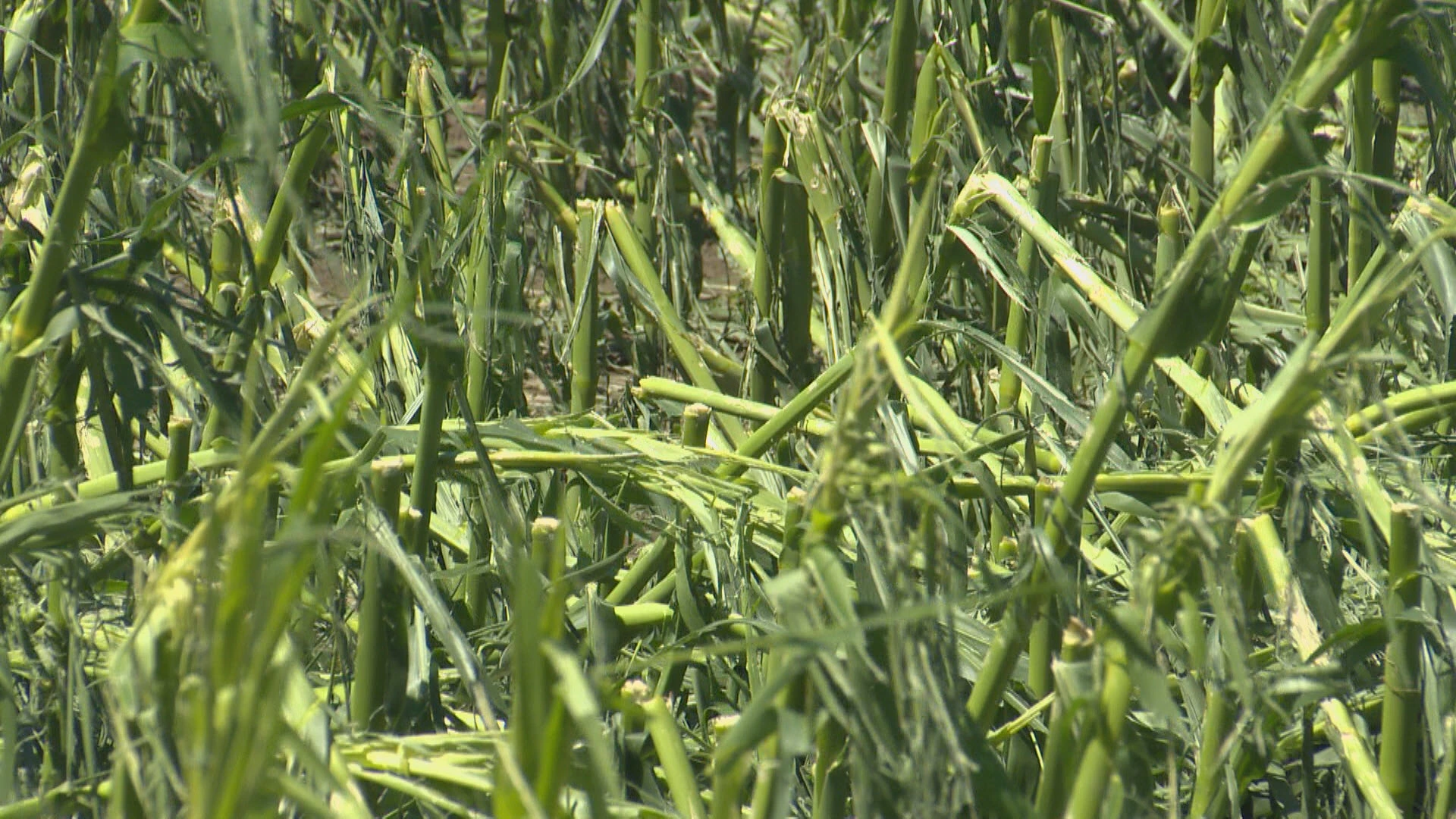
The rains in Peru were caused by Cyclone Yaku which is touring the Peruvian coast. In turn, they increase the flow of rivers which causes flooding, landslides and subsequently, more than a thousand hectares of crops damaged. “The Peruvian Sea temperature has increased by approximately 3 °C, which represents a major anomaly,” says Neira.
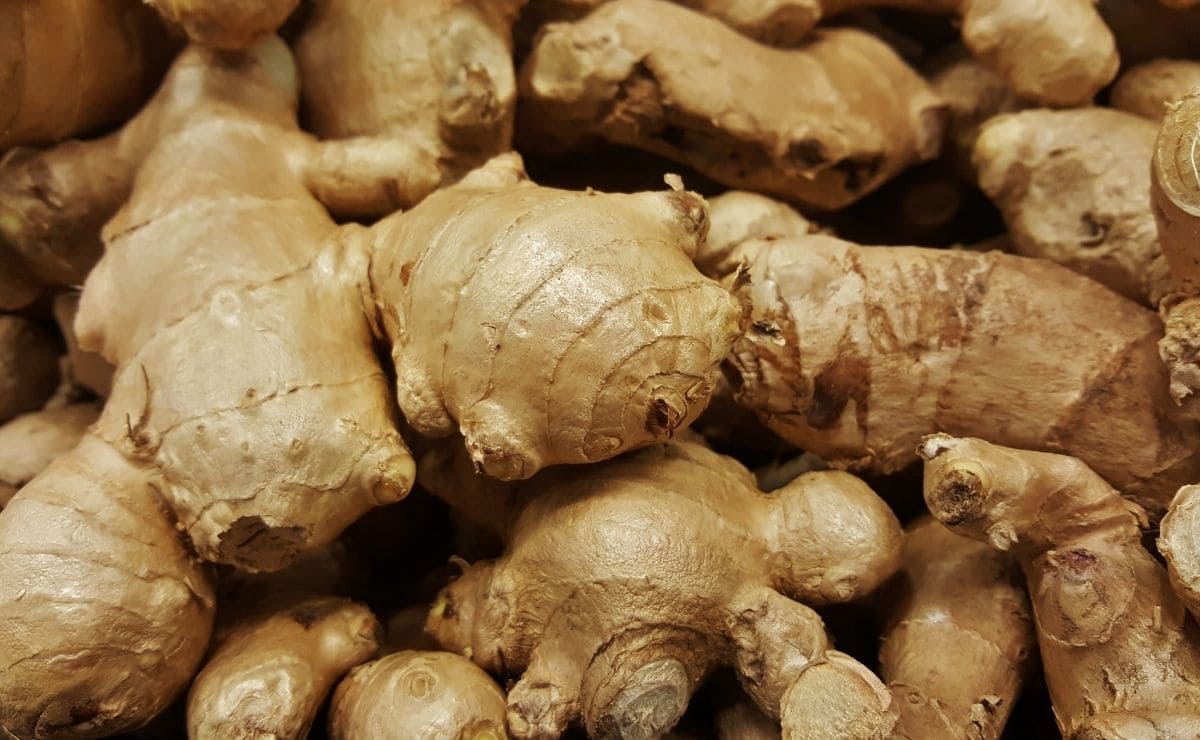
As for the ginger supply, there’s stronger demand than supply given there is less product available compared to last year at this time. “Other ginger exporting countries have had quality problems due to various factors and currently there is little supply of ginger to cover the great demand from countries in the Northern Hemisphere,” says Neira.
Regional production
That said, the Peruvian season, which began on time last June and ends next month, saw good exportable volumes this season. Ninety percent of the exportable supply comes from the Junin jungle from Pichanaki, Satipo, Mazamarí, Pangoa, etc. “There is some ginger in other regions, such as in the jungle of Cusco and Puerto Maldonado, but the logistics are more expensive due to distances and infrastructure,” says Neira.
Demand is also still high for ginger given the Northern hemisphere is coming out of winter and that’s when ginger consumption increases. Ginger is also considered a mainstream product that’s anticipated to have stable growth in the coming years. “Since demand is currently greater than supply, prices have increased in recent weeks. There is less and less ginger and the rains are more intense, which complicates the harvest and logistics, therefore prices are rising,” says Neira.
These kinds of climate events are a good reminder of why Inkawald, whose products have organic certification, GlobalGAP and social certifications, continues to focus on sustainable agriculture. Neira notes its challenges include promoting the circular economy and incorporating greater practices of sustainable and regenerative agriculture. This includes increasing its area of organic cultivation free of pesticides and systematic fertilizers which help consumers’ health but also produces less greenhouse gas emissions and thus reduce global warming.
Source - https://www.freshplaza.com