Philippines - El Niño causes P109-M agricultural loss

01.02.2024 821 views

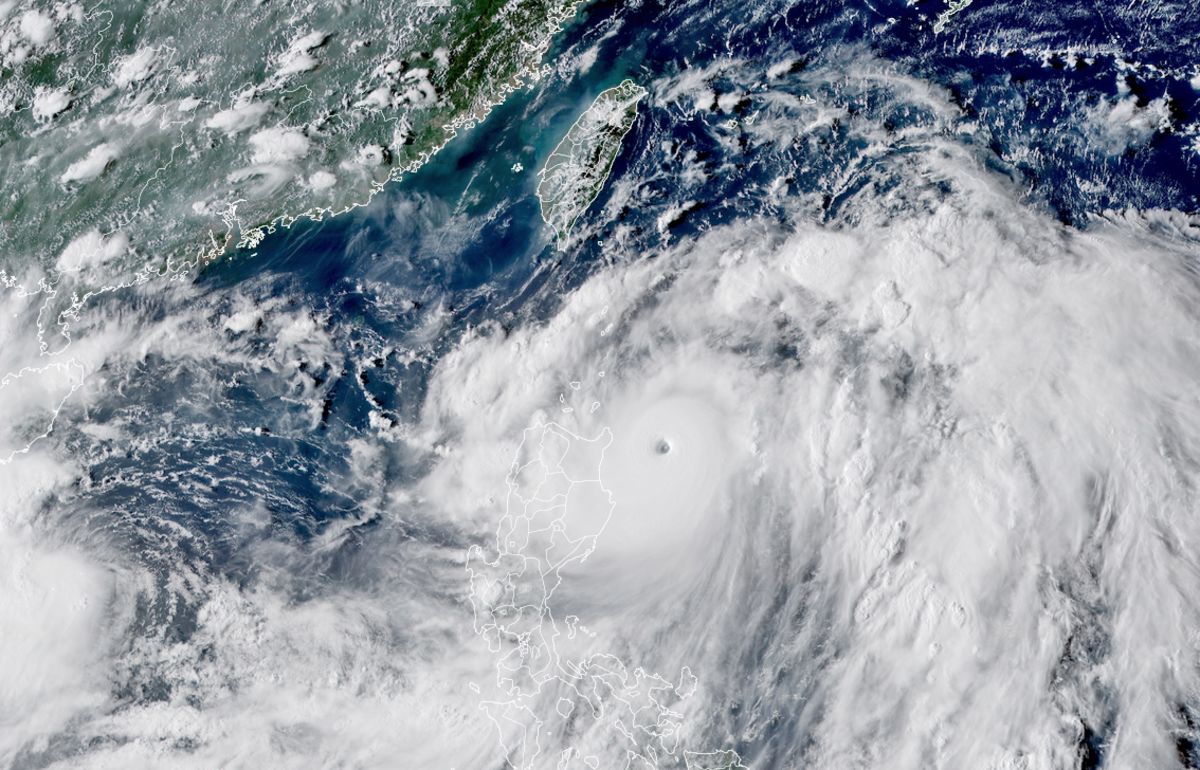
Just a week after logging a P717,000 agriculture loss due to the ongoing strong El Niño which is expected to last until February, the state's agriculture sector has now suffered damages and losses amounting to more than P109 million, the Department of Agriculture reported.

Based on the assessments of DA Regional Field Offices in Western Visayas and Zamboanga Peninsula on Tuesday, damage and losses have been reported amounting to P109.44 million, affecting 2,602 farmers, with a volume of output loss of 4,738 metric tons on 2,177 impacted hectares of rice farmlands, where the majority of the damage and losses incurred on rice are in the reproductive state.

Iloilo recorded the highest loss in terms of value, with an estimated cost between P100,000 and P200,000, followed by Zamboanga del Norte with a value loss ranging from P1,000 to P10,000.

The data reported is subject to validation, as the DA noted.

With this, the department has taken interventions such as regular monitoring of weather conditions and actual ground situation, continuous dissemination of advisories and agro-meteorological information through provincial, municipal, and city agriculturists and report officers through Facebook and Messenger, and information on proper crop management during El Niño, including adjustment of planting schedules and optimizing fertilizer use, field validation of areas vulnerable to drought and dry spells, positioning of interventions for farmers to be affected, data analysis on planting and harvesting (rice and corn), sources of irrigation systems (dams, SWIP, SSIPs), as well as the status of irrigation facilities (operational, non-operational), joint area assessment before the conduct of cloud seeding operations by concerned DA operating units and national agencies, and adoption of drought-resistant crop varieties during El Niño.

Most global climate models suggest that El Niño will "likely persist" until May, with a transition to El Niño and the Southern Oscillation-neutral June this year.

Source - https://tribune.net.ph

15.12.2025

India - Delayed crop loss survey keeps Cauvery delta farmers in limbo

Nearly 90,000 hectares of samba and thalady crops are submerged, raising fears for the next cultivation cycle.

15.12.2025

Romanian farmers to get financing support with €25 million EIB loan to Agricover Credit

Romanian farmers will be eligible for extra financing as a result of a €25 million loan that Agricover Credit IFN SA is receiving from the European Investment Bank (EIB). 

15.12.2025

UAE launches AI ecosystem to boost global agricultural resilience

The United Arab Emirates has launched an AI-powered agricultural ecosystem, partnering with global institutions to help farmers adapt to climate change and food security challenges.

15.12.2025

Bulgaria Opens €278M CAP Grant Calls for Farm Investments in Vulnerable Sectors

CAP Investment Support Calls Open in Bulgaria

15.12.2025

India - Maize Farmers in Bihar’s East Champaran Hit by Crop Diseases After Floods and Drought

Farmers in eastern Bihar say fungal and bacterial infections are damaging young maize plants, raising fears of yield losses after a season already disrupted by floods and drought. 

15.12.2025

Farmers’ Revolt in Greece Intensifies Amid State Repression

Greek farmers have escalated nationwide protests in December 2025, deploying thousands of tractors to block major highways, borders, ports, and even airports like Heraklion in Crete. 

14.12.2025

USA - USDA launches $700 million pilot to expand regenerative agriculture

The U.S. Department of Agriculture on Wednesday unveiled a $700 million pilot program to help farmers adopt regenerative agriculture practices aimed at improving soil health, water quality and long-term farm productivity while strengthening the nation’s food supply.

14.12.2025

South Africa - Hail and flooding demand critical crop insurance safety net

A single storm can wipe out a season's work. With climate change creating new hail hotspots, as seen across four South African provinces recently, the threat is less predictable than ever.