As a prolonged heatwave and drought grip several countries in Eastern and Southern Africa, UNICEF is sounding the alarm on the dire situation faced by vulnerable communities who are bearing the brunt of climate change. In the region, 45 million children are living through multiple and often overlapping crises intensified by climate change, including cholera outbreaks, malnutrition, drought and floods.
The 2023-24 El Niño phenomenon, one of the strongest on record, is exacerbating already challenging conditions. El Niño has escalated regional climate patterns, causing dry conditions and erratic rainfall, subsequently affecting crop production, and worsening disease outbreaks.
“The climate crisis is a real threat to children and communities in Eastern and Southern Africa. The very elements that children need to survive and thrive, including clean water, food, shelter, learning and safety, are being impacted by climate shocks. School closures disrupt education gains that were made. Communities who depend on agriculture face crop loss, resulting in children becoming malnourished or being forced to work to support income generation. Challenges in accessing clean water expose children to disease, affect livelihoods and cause forced displacement,” said Eva Kadilli, UNICEF Regional Director for Eastern and Southern Africa.
Over the weekend, the President of Malawi declared a State of Disaster in 23 out of the 28 districts in the country, due to El Niño conditions. Inadequate rains, floods, and prolonged dry spells have led to severe damage to crops and food production, impacting two million households (an estimated 9 million people, including 4.59 million children).
In South Sudan, children and young people are among those most at risk due to the climate crisis. Because of an extreme heatwave, authorities have recently ordered schools to be closed for two weeks and children have been advised to stay indoors as temperatures are expected to hit 45C, impacting 2.2 million learners.
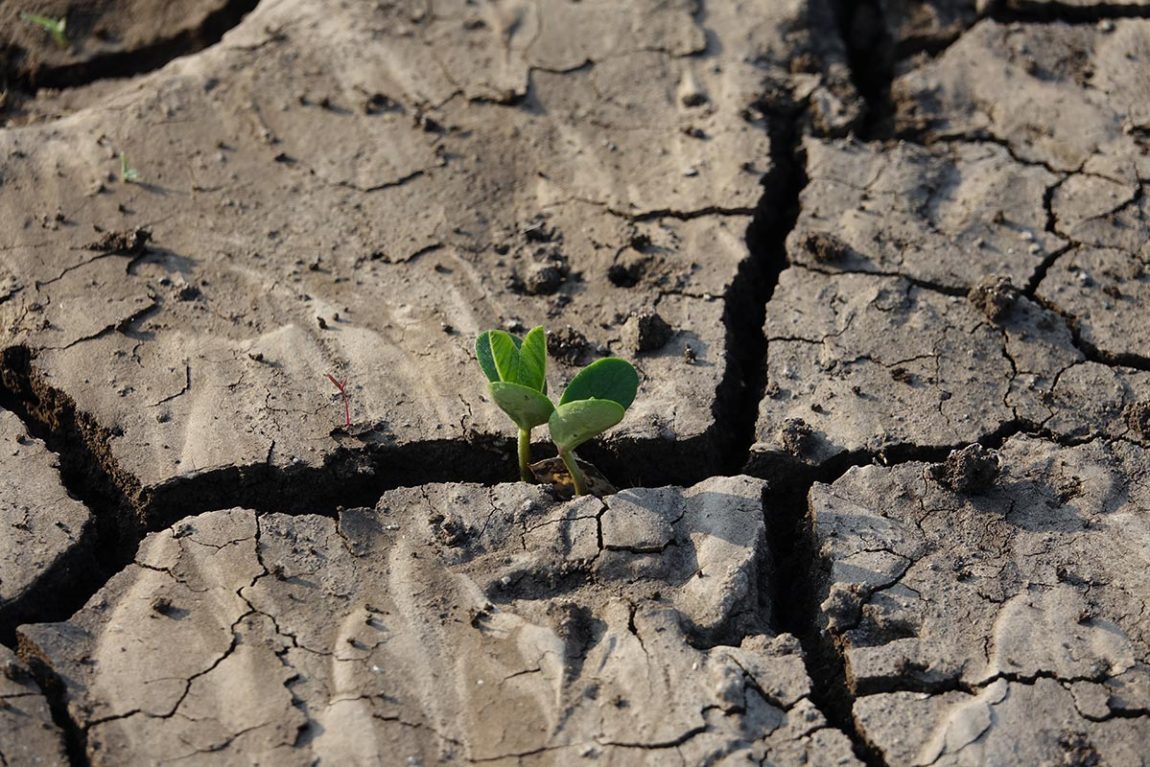
In Zambia, the government has recently declared a national emergency over drought that has impacted large parts of the country, affecting 6.5 million people – including 3 million children. This comes after the devasting floods that exacerbated the cholera outbreak in the country, with over 22 000 cases and children disproportionally affected. As rising temperatures and scarce water resources push families to the brink, children face increased risks of malnutrition, dehydration, and illnesses. 2.4 million people are expected to be severely food insecure this year.
In Zimbabwe, the El Niño phenomenon has disrupted rainfall patterns, leading to prolonged drought. Families are grappling with food insecurity, water scarcity, and heightened vulnerability including to violence and exploitation. These challenges come at a time when the country is also responding to cholera and polio outbreaks, potentially leading to a severe crisis for children.
In Madagascar, limited rainfall in the Great South is expected to reverse the marginal gains made in 2023 and plunge this fragile zone into a fresh humanitarian crisis. More than 262,000 children under the age of 5 are already acutely malnourished in the region.
The impact of El Niño is not limited to dry conditions. Late last year, heavy rains and flooding battered parts of the Eastern African region, including Ethiopia, Kenya and Somalia. These floods led to loss of lives, disrupted livelihoods, and displaced communities, with more than 5.2 million people affected.
In response to climate change and other crises in the region, UNICEF is actively working to safeguard children through programmes and services that are designed for adaptability. This includes:
- Ensuring acutely malnourished children, as well as pregnant and breastfeeding women are reached with treatment services; and children in all affected areas are reached with prevention interventions such as nutrient-dense food and micronutrient supplements, counseling and cash transfers.
- Building shock responsive education systems that are prepared and can ensure continuity of learning, during and after crises. This includes investing in multiple remote learning modalities, both digital and non-digital, accessible to all children, including the most vulnerable.
- Collaborating with partners on climate resilient water solutions, including expanding work on groundwater mapping and management systems.
- Strengthening health systems to be more resilient and accessible.
- As socio-cultural factors also significantly influence decisions and practices within communities during crises, UNICEF is focused on understanding and addressing these factors and working with communities to ensure equitable access to information, support and solutions.
“Distressingly, extreme weather is expected to be the norm in Eastern and Southern Africa in the years to come. As we work to improve the resilience of children, families and communities by strengthening shock responsive social services, we must also come together to reduce the effects of climate change on vulnerable populations in the region,” said Ms. Kadilli. “We continue our call to partners to prioritize investment in climate adaptation and mitigation, as well as in systems capable of withstanding the intensifying shocks brought on by climate change. Without sustainable responses, the future of children hangs in the balance. We need to take decisive action NOW to ensure that they not only survive but thrive in the challenging years ahead.”
Source - https://www.unicef.org