Spain - Long-term drought to bring more heatwaves, widlfires

17.03.2023 1266 views

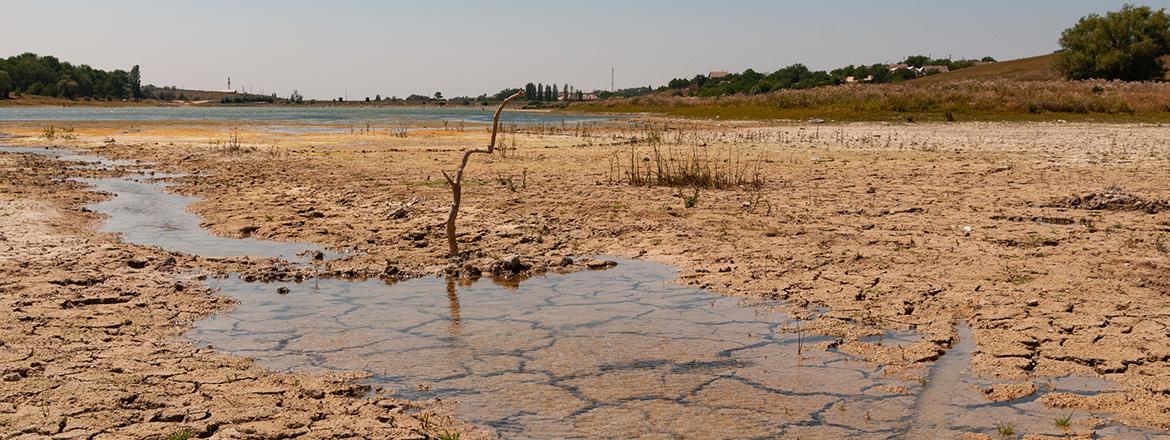
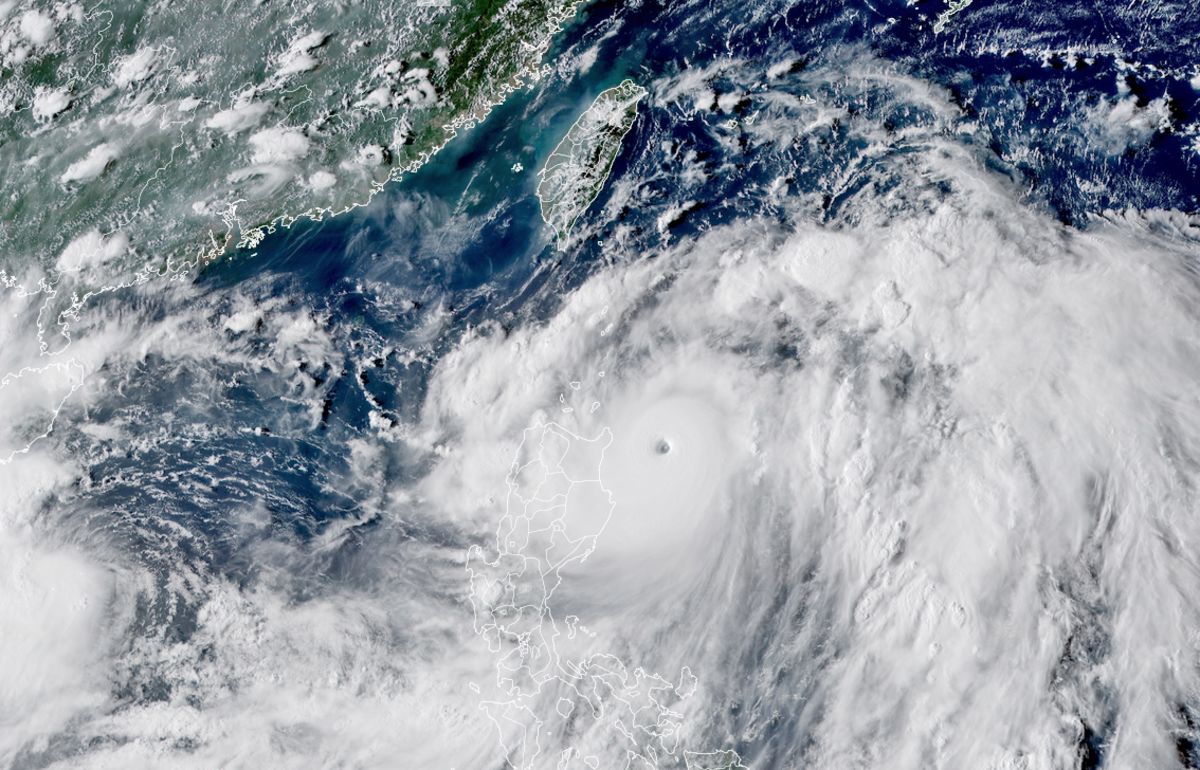
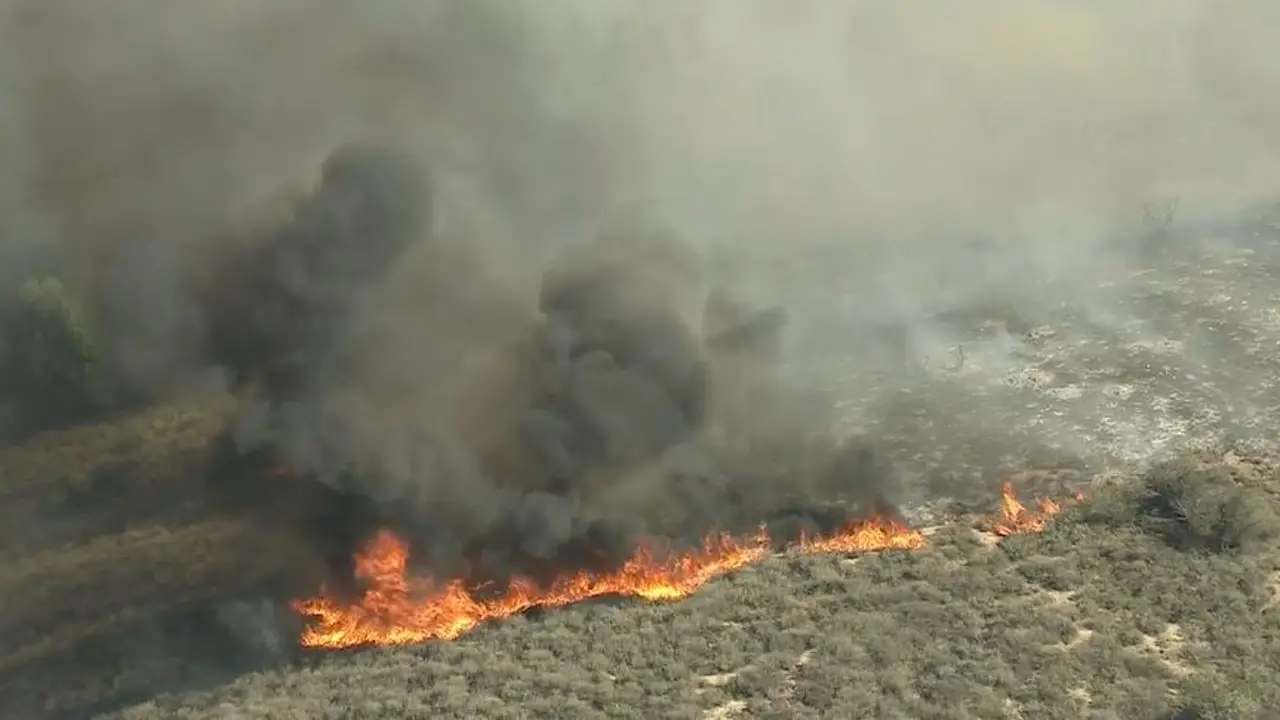
Spain has officially entered a period of long-term drought, owing to high temperatures and low rainfall over the past three years, and likely faces another year of heatwaves and forest fires.

The country’s Aemet weather agency said Friday that statistics showed Spain entered a long-duration drought at the end of 2022 and the first three months of 2023 show no major signs of change.

“The first available predictions for the summer of 2023 point to a likely situation of temperatures once again above normal,” said Aemet spokesman Rubén del Campo, adding that the coming summer “the risk of fires could be very high given the high temperatures.”

But Del Campo pointed out that the country has experienced severe droughts before in 2017, 2005 and at the end of the 1990s and 1980s.

“To put it in context, we´re in a drought but there have been worse droughts, which is not to say this will not be important,” he told a press conference.

Aemet says Spain is geographically prone to high temperatures and drought, but climate change is key factor.

Del Campo said Spain has warmed 1.3 degrees Celsius (34 F) since the 1960s, a warming that is noticeable all year round but especially in summer — when average temperatures have risen by 1.6 degrees.

He said such an increase may not appear too big but pointed out that “when we talk about a scenario as large as the Iberian Peninsula, half a million square kilometers, annual data, this trend translates into many more hours of heat,” which he said have doubled in the last 10 to 12 years, compared to the number of heat hours of previous years.

Last year was Spain´s 6th driest year and the hottest one since 1961, when records began. Rainfall was 16% below average and daily temperatures averaged above 15 degrees Celsius (59 degrees Fahrenheit) for the first time.

However, December was among the wettest in recent years, improving the situation considerably. The recent rains have boosted water reserves in reservoirs to 51% of capacity, way above the dangerously low of under 35% in late 2022. But at least two areas, most noticeably Spain’s northeastern Catalonia around Barcelona, are suffering severe shortages.

Spain’s Ecological Transition Ministry says that while the situation is “worrying” there are no current drinking water restrictions in any part and none are envisaged this year.

Localized agricultural and industrial water restrictions may occur, as in the case in Catalonia which since November 2022 has had to restrict water use in agriculture and industry. Potable water is forbidden for use in washing cars or filling swimming pools.

Land heat waves have become commonplace in many countries around the Mediterranean, with dramatic side effects like wildfires, droughts, crop losses and uncomfortably high temperatures.

Source - https://spectrumlocalnews.com

11.03.2026

Scaling up crop insurance in Africa for climate resilience and agricultural transformation

As climate change impacts intensify, African economies face increasing exposure to extreme weather events. The World Bank estimates that nearly 18% of the world’s population is at risk from severe weather events from which recovery would be difficult; in Africa, that number is 37%.

11.03.2026

USA - Specialty Crop Losses Outpace Federal Bridge Assistance Funding

The U.S. Department of Agriculture (USDA) is rolling out a new Farmer Bridge Assistance (FBA) program for specialty crops — that is, crops not included in the first $1 billion relief package — but early analysis from Terrain suggests economic losses across the sector far exceed available funding.

11.03.2026

India - Maharashtra Govt Sanctions ₹15.77 Crore Relief For Jalgaon Farmers, Increases Compensation Limit To 3 Hectares

Relief and Rehabilitation Minister Makarand Jadhav-Patil informed the Assembly that the Government of Maharashtra has sanctioned ₹15.77 crore for farmers in Jalgaon district affected by crop damage due to unseasonal rains in Raver and Yawal talukas.

11.03.2026

Fertilizer emissions may damage soil bacteria that help crops grow

Nitrous oxide (N₂O) is usually discussed as a climate problem – a powerful greenhouse gas that can spike in soils after fertilizer use. But new research from the Massachusetts Institute of Technology (MIT) suggests it may also play an unexpected biological role.

11.03.2026

India - ₹243.52 crore interim crop insurance relief released to 2.9 lakh farmers in Kalaburagi

Minister for Rural Development and Panchayat Raj Priyank Kharge said the State government would make every effort to ensure that the proposed Millet Hub is established in Kalaburagi district, provided the Agriculture Department submits a detailed project report (DPR) along with a blueprint at the earliest.

11.03.2026

USA - Wheat Prices Rise on Poor Crop Conditions as Insurance Deadline Nears for Spring Plantings

Wheat markets have seen strong price movement in recent days following a disappointing crop condition report across several major producing states.

10.03.2026

India - Nearly all crop insurance claims settled, Centre tells Lok Sabha

The Centre on Tuesday informed the Lok Sabha that nearly all claims under the Pradhan Mantri Fasal Bima Yojana (PMFBY) have been settled, asserting that the crop insurance scheme now ensures timely and transparent compensation for farmers across the country.

10.03.2026

Turkish Malatya apricot crop recovers after 2025 frost damage

Malatya in Turkey, which accounts for about 85% of global dried apricot production, is entering the budding stage following frost damage recorded in April 2025. Early assessments from the region indicate improved crop conditions compared with earlier expectations.