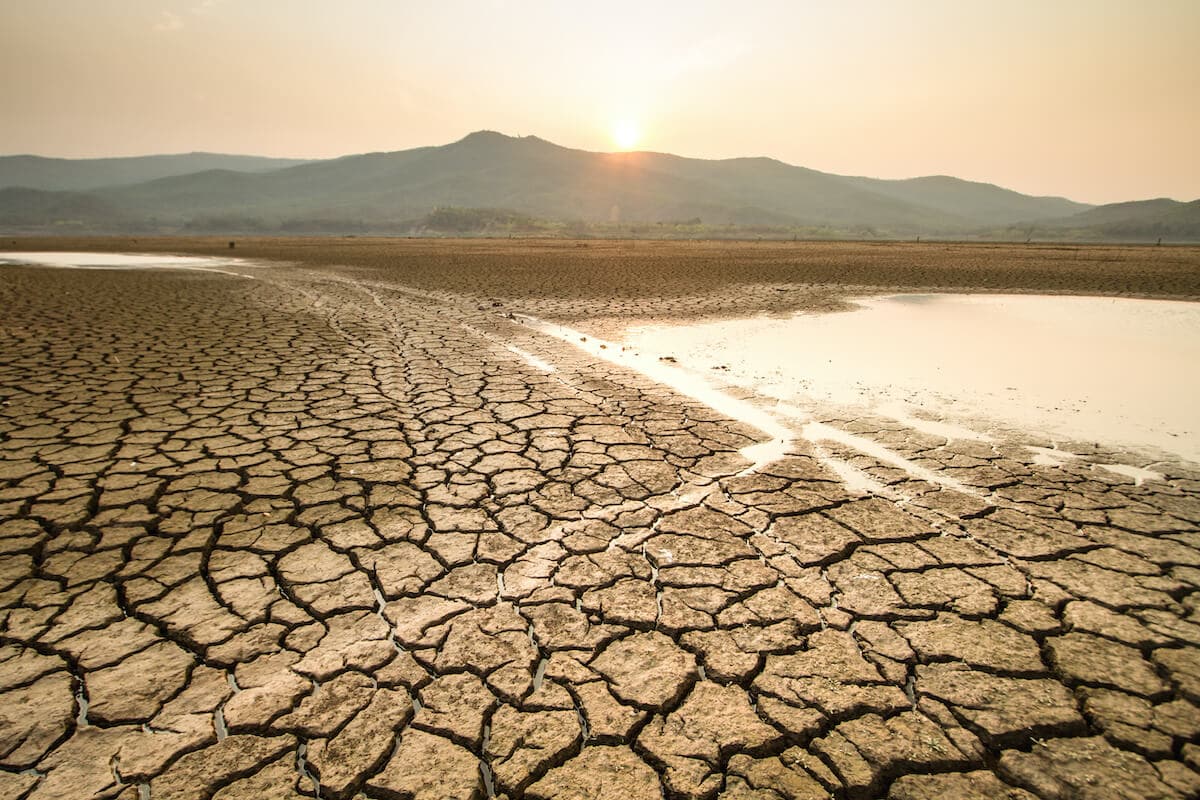
Connecticut is slowly emerging from the months-long drought that strained crops and water resources this summer, officials said Thursday, while warning that many reservoirs still remain lower than normal for this time of year.
Only a sliver of land in western Connecticut — about 2 percent of the state’s total area — remained under drought conditions Thursday, according to the latest data from the U.S. Drought Monitor. Three months ago, the area of drought covered the entire state, with about half of Connecticut experiencing “extreme” drought conditions.
Those conditions began to alleviate with heavy rains in September. While October and November remained slightly drier than normal, rainfall over the past three months has exceeded season averages in most areas of the state, according to the National Weather Service.
Portions of four counties remained “abnormally dry” Thursday according, including all of Fairfield County that was not experiencing drought conditions.
The return of rain prompted the state officials in November to lower the state’s drought alert to the lowest active stage, meaning that state and local officials were monitoring conditions and discussing response efforts internally, without issuing any formal notices to the public.
On Thursday, the group overseeing those efforts, the Interagency Drought Working Group, recommended to Gov. Ned Lamont that four counties in eastern Connecticut — Windham, Tolland, New London and Middlesex — be put off alert entirely, while the western counties remain at the lowest alert stage.
“Most of our wells and our streams are kind of in the normal range,” said John R Mullaney, a groundwater specialist for the U.S. Geological Survey. “Everything seems to be on its way back up, for most of our sights, with the rain that we’ve had.”
Still, some officials warned that it’s too early for residents to let up their guard after being asked to limit water consumption over the summer.
Several water systems in central and western Connecticut — including Norwalk, Danbury, Greenwich and Bristol — are still facing water shortages, according to Steve Harkey, an official with the Department of Public Health’s Drinking Water Section.
While Harkey said he supported removing four counties from drought alert status, he said the state should avoid any messaging that conveys “that everything’s hunky dory and it’s do-what-you-want.”
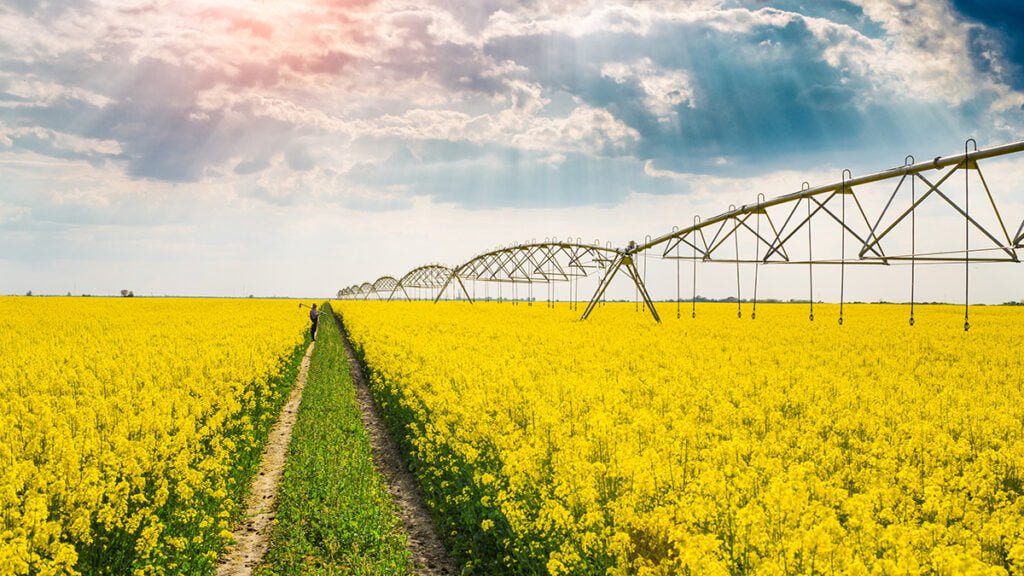
The drought, which spread across most of New England this summer, caused lawns to brown and creek beds to run dry throughout the region, while farmers were forced to rely on increased irrigation to salvage their crops of corn, berries and even Christmas trees. Water levels in a few smaller rivers in Connecticut approached all-time record lows during the height of the drought, experts said.
In October, Lamont announced that the U.S. Department of Agriculture had approved his request for an natural disaster declaration, making farmers across the state eligible for federal assistance to cover crop losses.
The last significant drought to impact the state, in 2020, did not formally end until late December when winter rain and snow made up for the lack of precipitation over the summer months. Longer-term forecasts for New England predict an above-average amount of snowfall this winter potentially hastening the final end of the drought.
Source - https://www.middletownpress.com