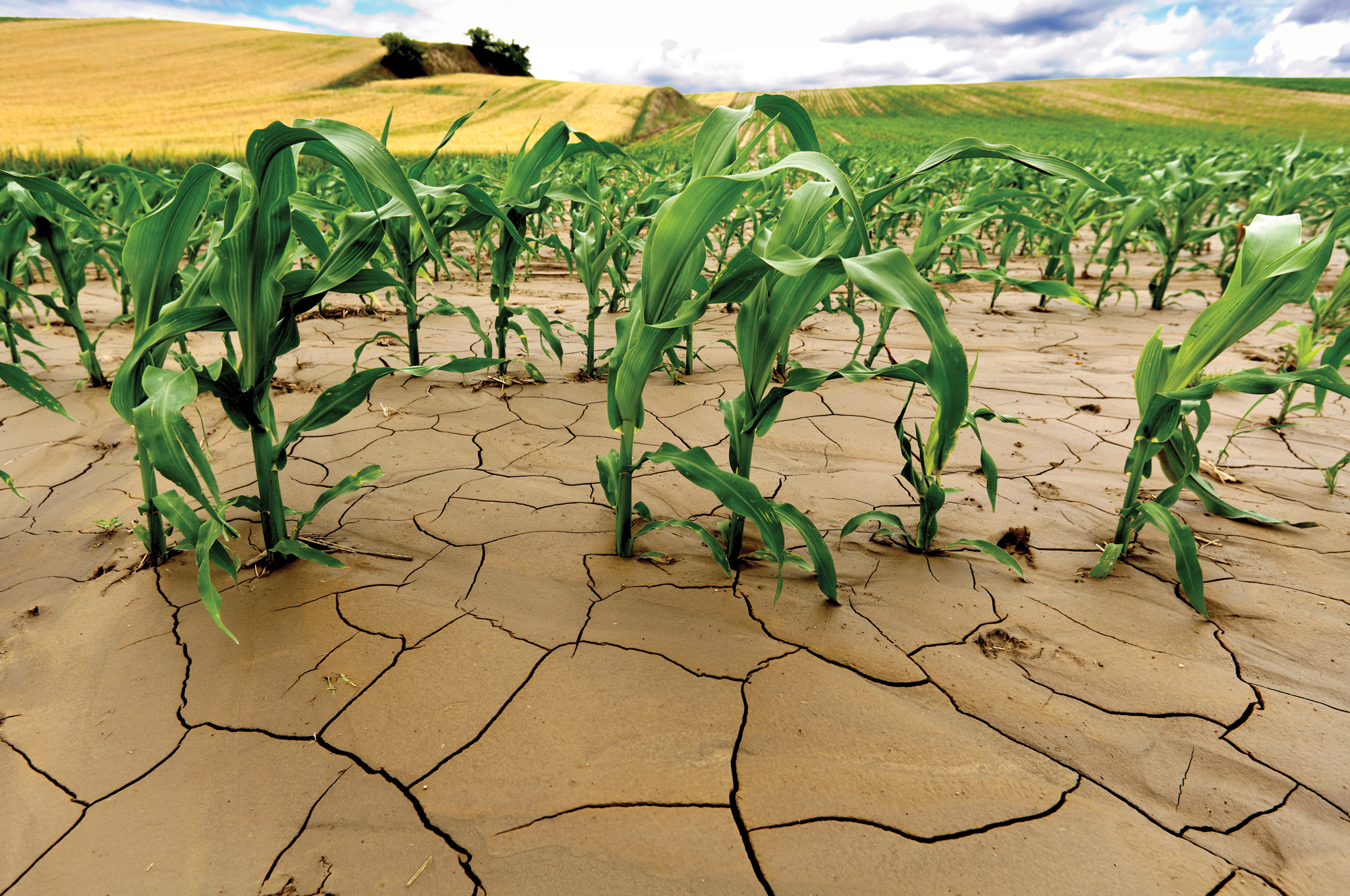
Ongoing heat and prolonged periods without rain are stressing crops throughout the Mountain State and have the potential to do lasting damage, according to two West Virginia University experts.
Lewis Jett, WVU Extension professor and commercial horticulture specialist, and Mira Danilovich, professor and consumer horticulture specialist, are offering insights on how the drought will affect this year’s crops along with potential future harvests.
On Friday (July 26), Gov. Jim Justice declared a State of Emergency in all 55 counties due to drought conditions.
Quotes:
“Drought stress has the most severe effects at or near the time of flowering or pollination of most fruiting vegetable crops — like sweet corn, tomatoes, peppers and beans. Vegetables which are roots or leaves need a uniform supply of water through the growing season. For example, carrots will fork or split when drought stressed.
“Supplemental mulching with organic mulches such as straw, hay and grass clippings will mitigate drought stress. Organic mulches keep the soil cool and reduce weed emergence as well as soil moisture evaporation.
“Supplemental watering with drip irrigation — drip tape or soaker hoses — is preferred. If overhead watering, this should be done in the morning. Never put plants to bed with wet feet, as wet foliage will trigger diseases.” — Lewis Jett, professor and commercial horticulture specialist, WVU Extension
“The season started with lower than normal precipitation, setting the path to our current conditions. Besides the insufficient rainfall, we have been hit with extremely high temperatures that are depleting soil-held moisture reserves. The drought stress can manifest itself in different ways. Most commonly, leaves will lose rigidity, become limp and show different levels of wilting. Lack of water alone will affect photosynthesis, reducing carbohydrate production, thus reducing and somewhat stunting growth.
“When we have high temperatures added to the drought, stress is multiplied and will stunt growth and produce smaller fruits, leading to compromised quality and reduction in overall yield. The leaves of plants fight back by folding upward through a ‘cupping’ process where they attempt to reduce the surface exposed to the sun and reduce water loss or transpiration. If that does not work, fruit trees will resort to fruit drop and leaf drop, if necessary, to preserve moisture within the tissue and survive.
“Lack of moisture in the soil will cause roots to die which will present a problem for many years to come. The longer the exposure to this drought stress, the weaker the plants and their defense systems are. This may lead to insect and diseases attacks.
“Damage caused from drought can have long-term effects. The process of flower bud formation is taking place right now establishing the crop potential for the next season so there may be carryover into next year’s growing season. Having good management and moisture conservation practices is important. Mulching is one of the first things to think about. It will keep the ground cool, and it will prevent moisture loss through evaporation. Whenever possible, supplemental irrigation should be part of the plan.” — Mira Danilovich, professor and consumer horticulture specialist, WVU Extension
Source - https://d.newswise.com