USA - Farmer speaks on crop damage following strong storms

27.05.2024 601 views

After Wednesday’s storms wreaked havoc on Jonesboro, the costly damage didn’t stop.

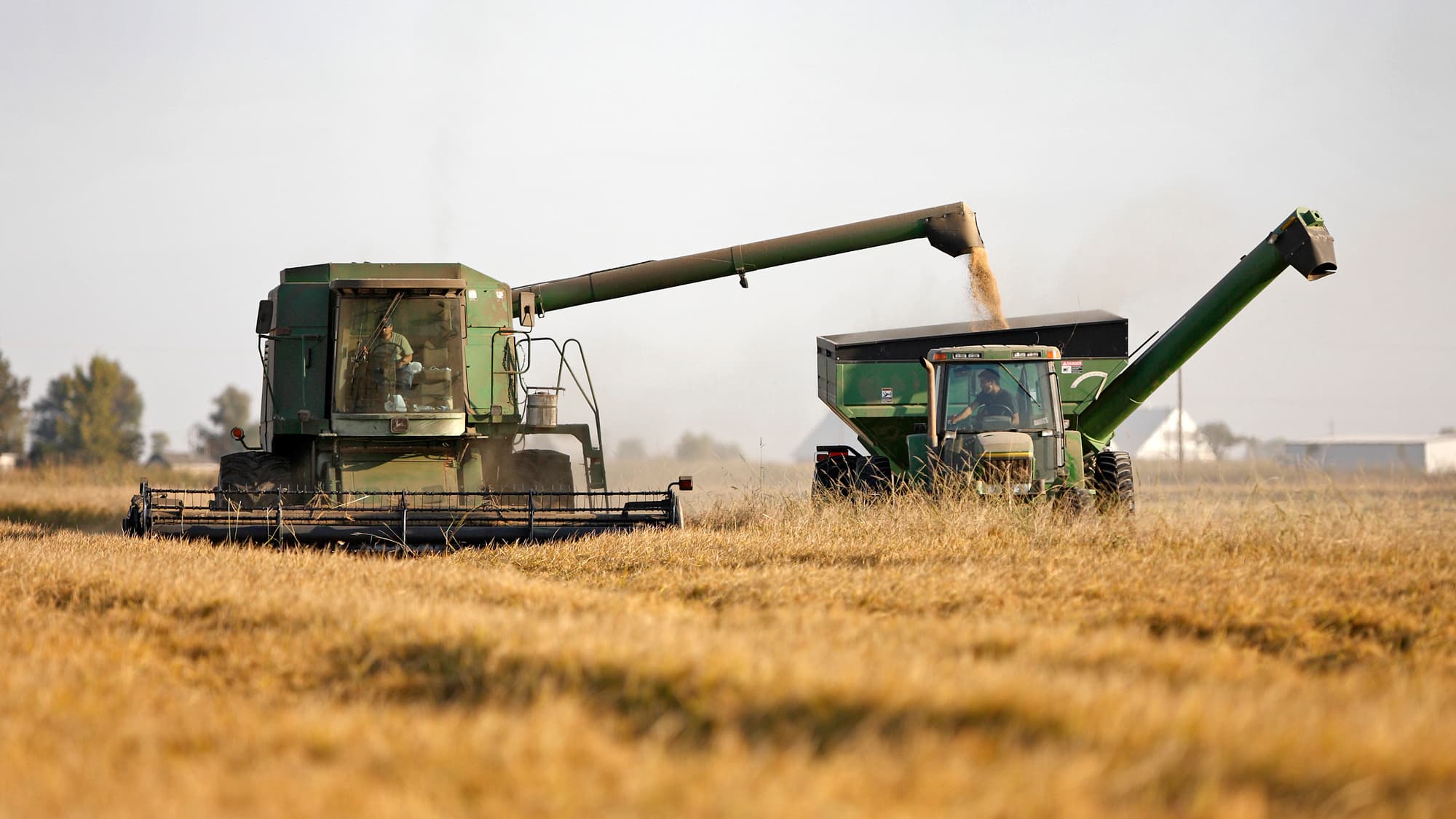
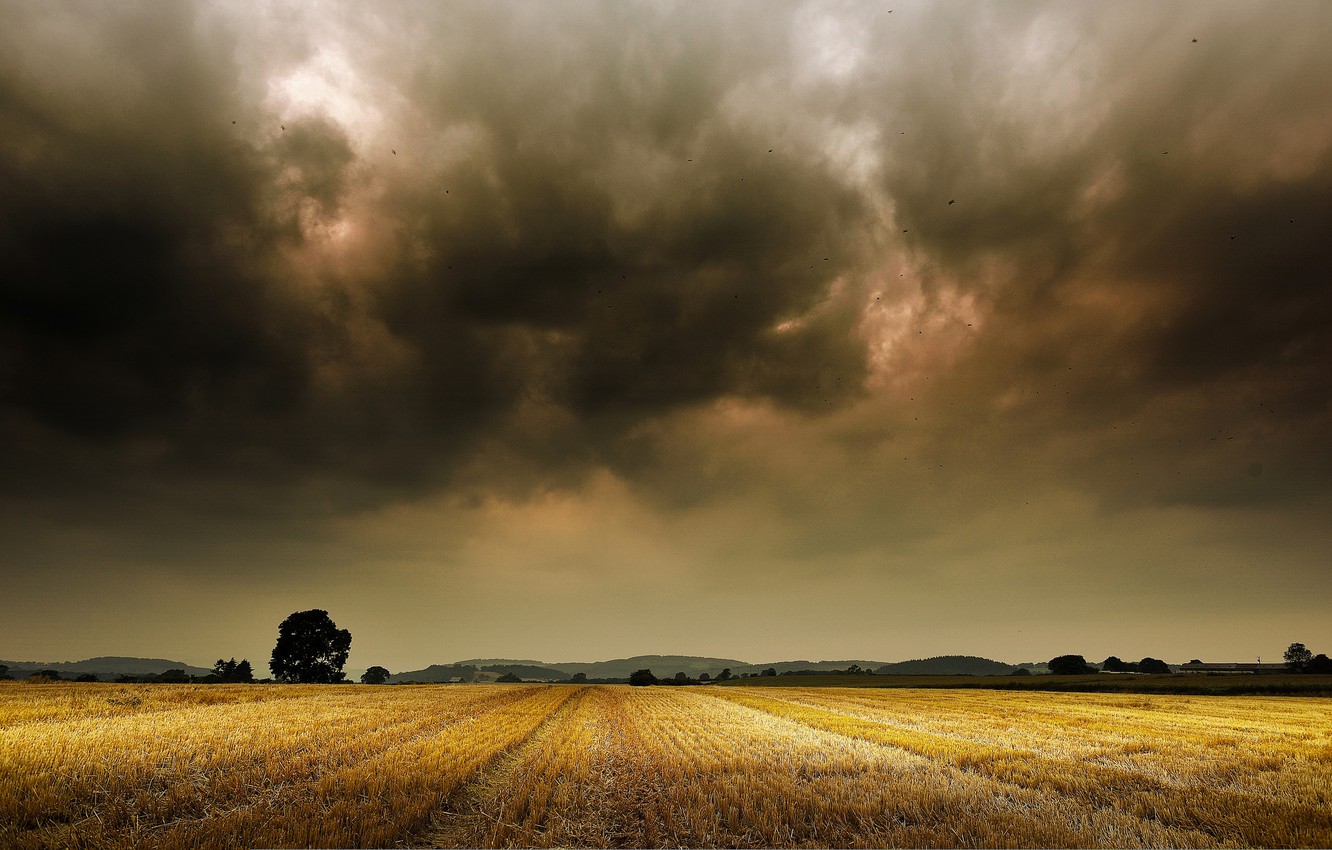
The storms started plowing through the more rural parts of Region 8, hitting farmlands hard.

The busted windows, dented cars, and wind-torn city buildings were easy to spot, but when you get out of the city limits and into the fields, the scars of Wednesday’s storms look a little different but just as costly.

“Oh, it’s a huge expense. Now, if the guys doesn’t have any hail insurance or greensnap insurance, it’s a huge expense as far as corn goes. We’ve lost some cotton stands too. We’ve had some beans hurt pretty severely,” said crop consultant David Hydrick. “At least the beans will come back. The cotton will have to be replanted or planted to beans. Some of it will be farmed as is, but if you don’t have hail insurance, it’s going to hurt bad. Up and down Highway 18, it’s bad.”

For those not familiar with farming, the damage may simply look like some mangled-up plants, but to those that farm these fields, this is going to impact yield.

“There’s not been much time to farm in the last three weeks. So I don’t know what, if we get back in the field, you can’t replant corn. I mean, how you gonna do that,” Hydrick stated. “It’s already five feet tall. You can’t shred it; you can’t burn it. I mean, it’s a loss. You’re gonna have to harvest what you’ve got. Now, most of the fields are not like that, but there are some fields that are almost a total loss, not a total, but it will be 100 bushels.”

Weather plays a vital role in everything these farmers do, and thankfully, the forecast calls for a break in the rain and storms next week.

Until then, the K8 Storm Team will continue to monitor the storms over the next few days, so make sure to have the K8 Weather app downloaded to your phone and alerts turned on.

Source - https://www.kait8.com

05.05.2026

Climate change: challenges and opportunities for crop insurance in Canada

The pandemic we have just come out of reminded us of the importance of maintaining robust food sovereignty in our country, provinces and cities. 

05.05.2026

Azerbaijan, Uzbekistan hold talks on agro-industrial collaboration

On May 5, Minister of Agriculture Majnun Mammadov met with a delegation from Uzbekistan led by Minister of Agriculture Ibrokhim Abdurakhmonov, who attended the 19th Azerbaijan International Agricultural Exhibition (Caspian Agro Week), to discuss bilateral cooperation in the agricultural sector, Trend reports.

05.05.2026

Philippines - P6.69-million crop damage logged in Albay due to Mayon unrest

Damage to crops from Mayon Volcano’s unrest has reached P6.69 million, with ashfall affecting several farmers in Albay, authorities said Tuesday.

05.05.2026

Cyprus - Farmers in Karpasia seek compensation for crop damage caused by wild donkeys

Losses reported in Rizokarpaso and nearby villages as donkey population grows and destroys farmland.

05.05.2026

USA - USDA Risk Management Agency Upgrades Rainfall Data Source

The U.S. Department of Agriculture’s (USDA) Risk Management Agency (RMA) is upgrading the source for rainfall data used in several Federal crop insurance programs, moving from the National Oceanic and Atmospheric Administration’s Climate Prediction Center (CPC) to the National Centers for Environmental Information (NCEI). 

05.05.2026

Asparagus losses in Norfolk County, Canada reach 98 percent after frost

Frost events in Canada recently caused crop damage in Norfolk County, with asparagus production heavily affected. At Dalton White Farms, losses reached up to 98 per cent of the field.

04.05.2026

Bulgaria's Kyustendil cherry crop severely affected by frost for second consecutive year

Frosts have caused critical damage to cherry orchards in the Kyustendil region of Bulgaria for the second consecutive spring, with producers reporting near-total crop losses. 

04.05.2026

Vietnam - MoF moves to expand farm insurance support and eligibility

The Ministry of Finance has proposed sharply increasing agricultural insurance premium subsidies to up to 95 per cent and widening the pool of eligible beneficiaries to better share risks with producers, stabilise farm incomes, and strengthen climate resilience.