The remnants of Hurricane Ian had minimal impact on Perquimans County during the storm’s passing over the region Friday night.
The storm’s strong winds — wind gusts reached 35 mph — did spur power outages and block roadways with downed tree limbs. Ian’s heavy rainfall — between 3.9 inches and 5.6 inches fell in Perquimans, according to the National Weather Service — also flooded multiple roadways, causing standing water.
First responders also responded to two motor vehicle accidents on Friday.
But the quick response by utility crews, first responders and the N.C. Department of Transportation minimized the storm’s impact, said Perquimans Assistant Emergency Management Coordinator Julie Solesbee.
“We were very blessed,” she said. “On Friday evening, power outages were reported but utility crews worked quickly to get it restored. The Perquimans County Sheriff’s Office and NCDOT worked that evening and into the night to ensure that all debris was removed.”
On Saturday, the roads that were reported to have standing water were clear, she said. There also were no reports of structural damage throughout the weekend, she said.
Area cotton growers were not as fortunate, however.
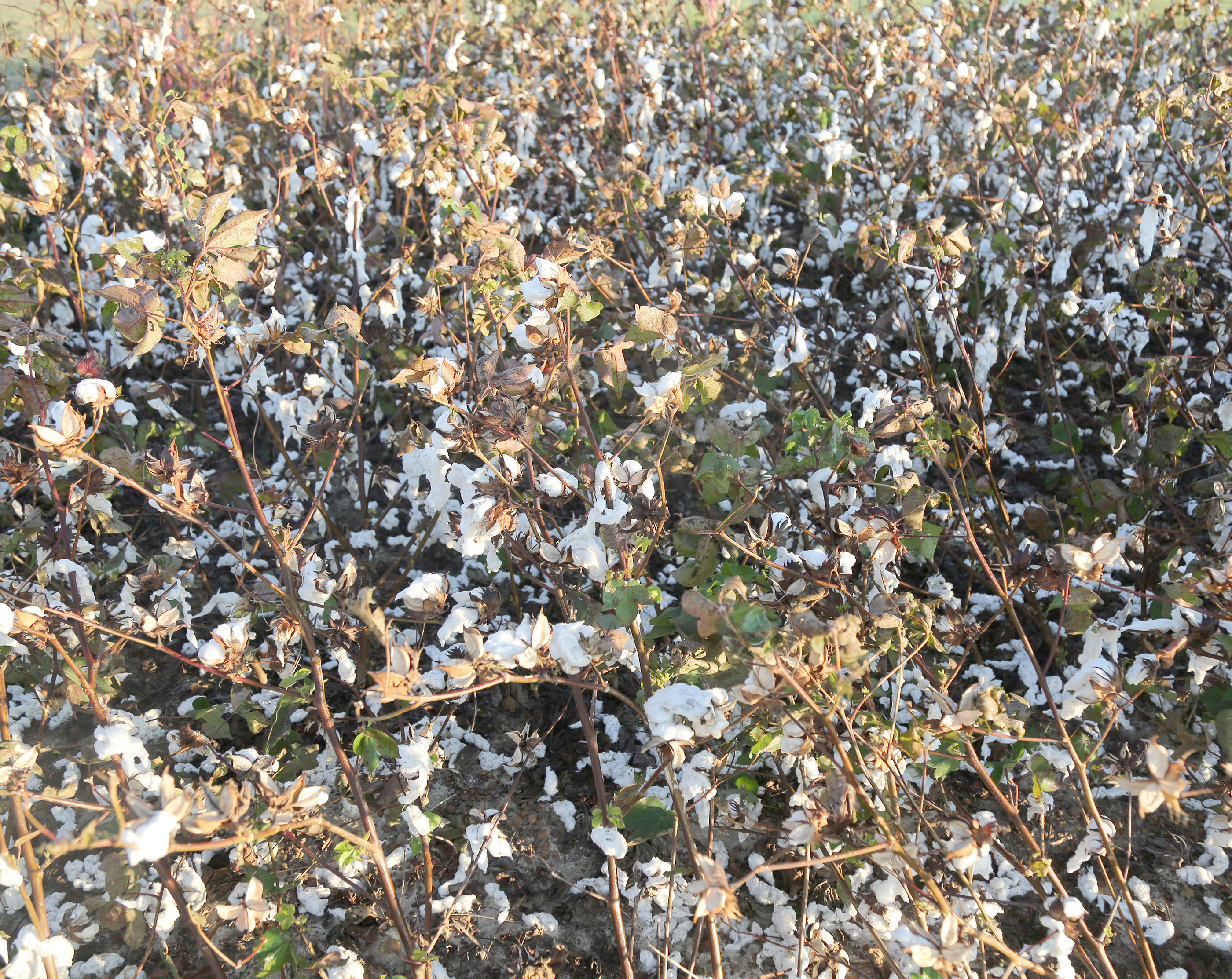
The storm’s torrential rain and pummeling winds damaged the open bolls on cotton plants. Farmers could feel the impact for some time as the cotton harvest is just a few weeks off.
“We could lose as high as 20 percent of the crop,” said Perquimans farmer Shae Nixon, adding, ”The wind and rain today is not helping any. The wind could really cause problems with quality and grade.”
Guy Collins, a cotton specialist with NC Cooperative Extension, advised growers to document their losses from the storm.
“The first action we should take is to document losses,” he said. “Storm losses are difficult to estimate, but depending on crop insurance and other programs, it is usually worth the effort to document losses.”
He urged growers to contact their crop insurance agent or adjuster for assistance.
Collins said certain farm programs may have particular instructions for documenting and reporting losses. He also advises documentation should be done before harvest, as some adjusters may want to see a damaged field prior to harvest.
A cell phone camera is a good tool for documenting crop losses, Collins said. He suggested making sure the photos include a point of reference to document particular fields.
Source - https://www.dailyadvance.com