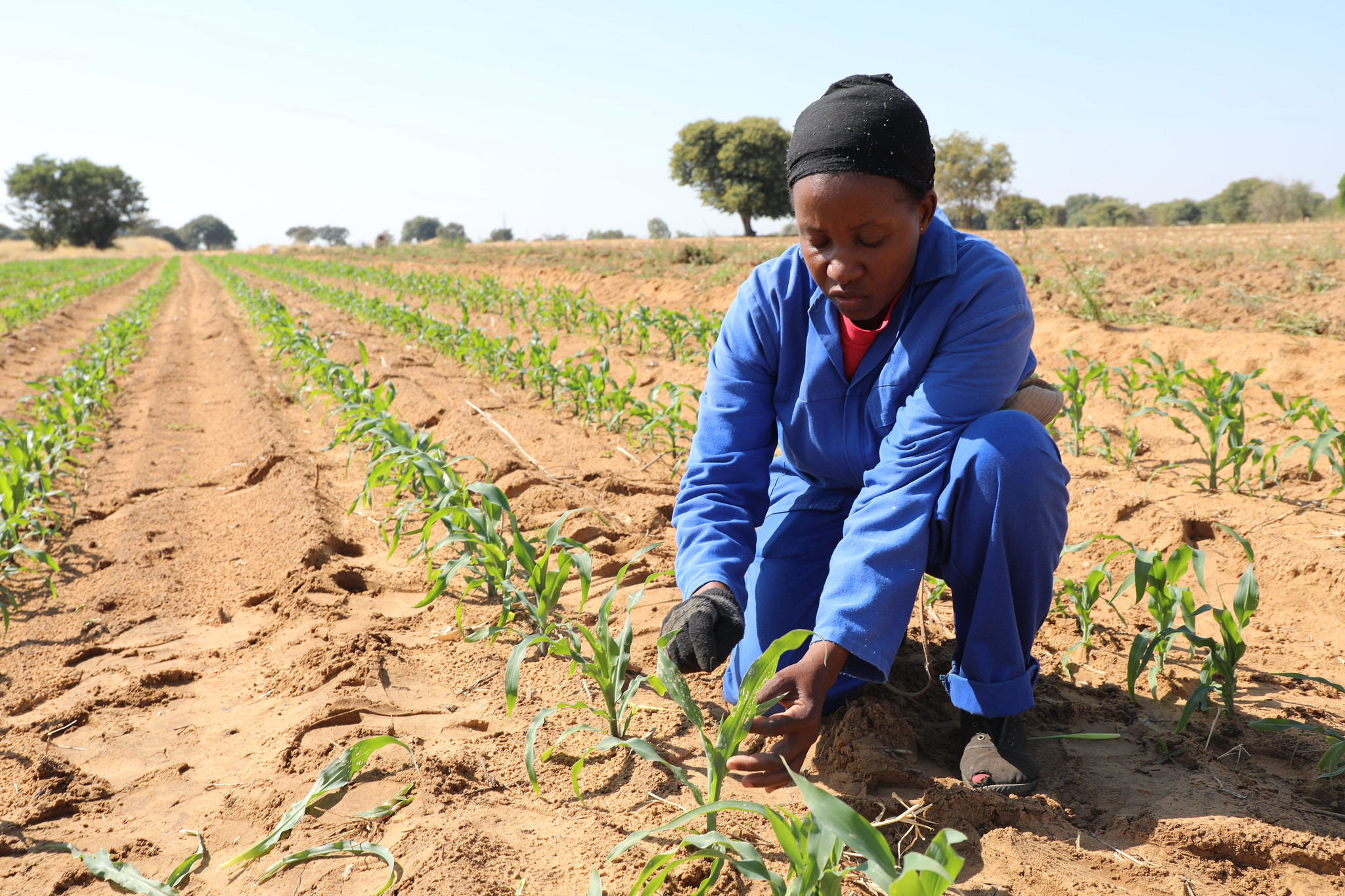
Farmers are being warned to protect themselves from the unpredictable effects of climate change and drought by embracing insurance cover.
Agricultural insurance covers risks such as diseases, fire, flooding, hailstorms, pests, drought, malicious damage and theft.
Zimbabwe has been badly affected by drought due to El Nino, leading to huge losses for farmers.
Kwekwe farmer, Mr Charles Knight, lost a significant amount of his winter crop in October last year due to unexpected rainfall, adding to losses incurred from theft of livestock and damage by wild animals.
Mr Knight has now decided to seek insurance cover for all aspects of his investment, from crops to machinery to livestock.
"We had put all the 21 hectares of arable land under wheat last year and we were expecting about six tonnes per hectare.
Somehow rains came unexpectedly in October just before we harvested and it affected the majority of our yield. We ended up getting about four tonnes per hectare, which is a loss to us," said Mr Knight.
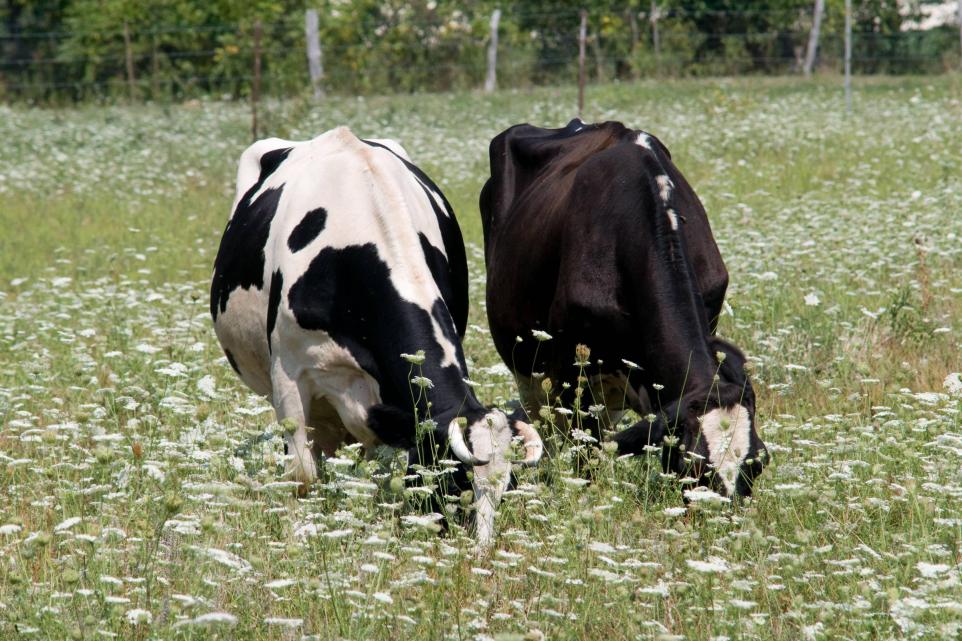
"We are literally sharing equally with thieves who prey on our maize fields because most people did not plant due to non-availability of rains. We are also losing livestock to thieves and wildlife," he said.
"We could be planting more, but we do not have enough land. We planted the entire 21 hectares, but this crop is covered by insurance. We have started engaging the companies that offer insurance services and to get this crop covered.
"Due to theft and other risks, we should get cover for everything, including livestock. We also invested in equipment and it is already insured."
While many farmers share similar experiences, very few appreciate the value of insurance cover and continue to suffer losses with no risk cover.
Agricultural insurance expert, Mr Moses Chourombo, said uptake of agricultural insurance is still low, due to a lack of awareness and the cost of cover.
"The uptake of agriculture insurance in the country is still considered very low as it hovers below four percent. Some of the reasons include lack of awareness, the cost of insurance, viability and constraints shadowing insurable risks, general cultural and religious traditions, legacy issues, and negative perceptions about insurance and insurer," said Mr Chourombo.
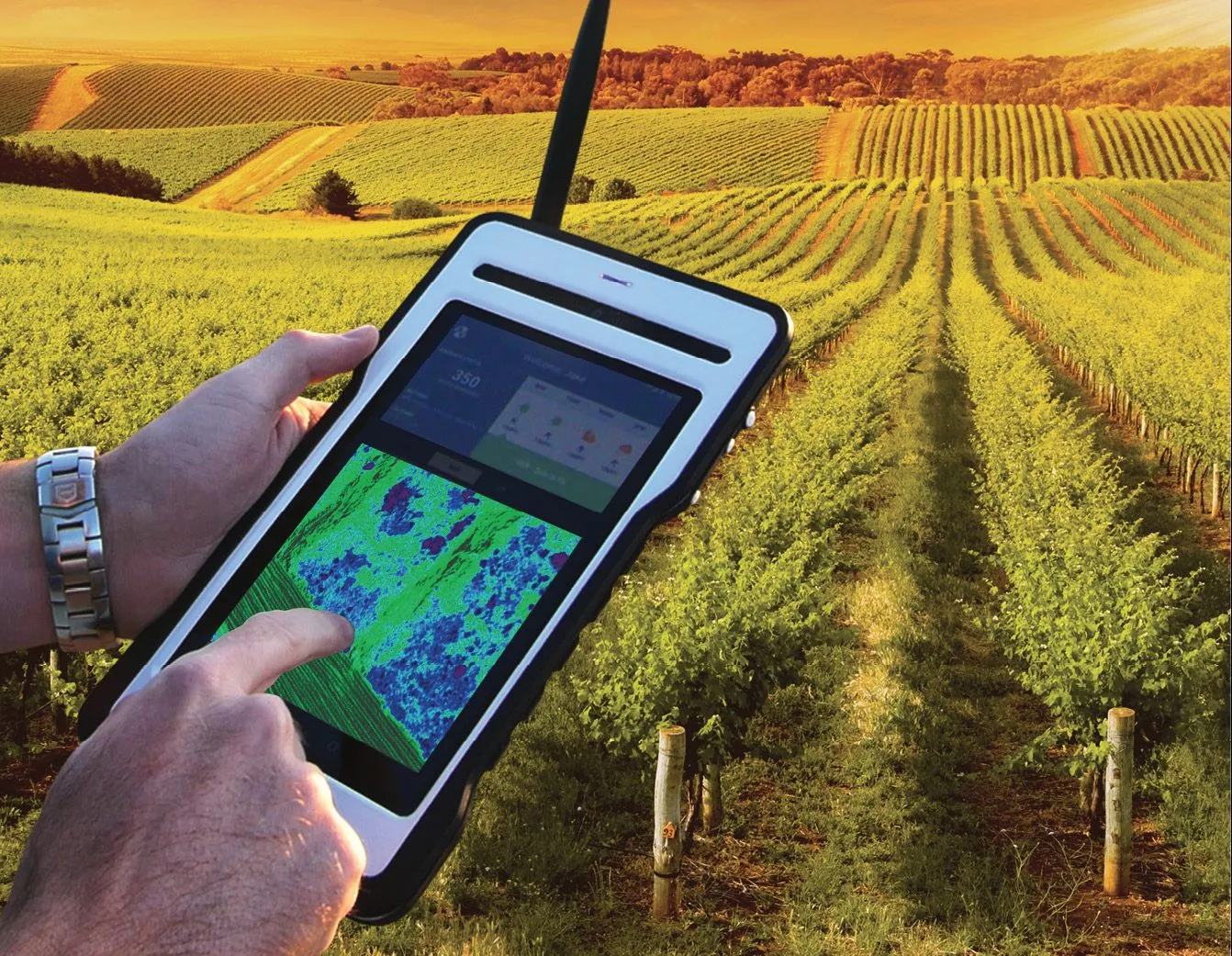
He said farmers should embrace insurance packages ranging from weather index, named peril, multiple peril, area yield, vegetation index and other schemes to encourage farmers to protect themselves from the effects of climate change and the risks inherent in farming.
Insurance and Pensions Commission (Ipec) director of insurance supervision, Mrs Sibongile Siwela, said the El Nino-induced drought in the 2023/2024 agricultural season provides ample evidence of the importance of risk mitigation through insurance.
"With the increased impacts of climate change on smallholder farmers, the Insurance and Pensions Commission is spearheading the development of agricultural insurance for smallholder farmers in Zimbabwe in collaboration with key stakeholders, among them Government, insurance entities, development partners and input suppliers," she said.
"The innovation lab in collaboration with the Access to Insurance Initiative resulted in us coming up with a Farmer's Basket product, which we are prototyping/piloting in Goromonzi."
"About 4 000 Goromonzi smallholders enrolled for the pilot phase of the weather index-based insurance and our intention is to upscale it to other provinces. The project seeks to develop agricultural index-based insurance for smallholder farmers."
Mrs Siwela also said they were working with the Financial Sector Deepening (FSD) Network in promoting climate financing for smallholder farmers with a specific interest in index-based insurance.
Insurance entities through the Insurance Council of Zimbabwe, have since come up with a consortium comprising short-term insurers and re-insurers to insure smallholder farmers.
Source - https://www.chronicle.co.zw