NEWS
902
of 1224
News
21.12.2015

India - Madras HC hopes Centre will look into plea for individual crop insurance

Madras High Court on Saturday expressed confidence that the Centre would look into a plea for individual crop insurance scheme as early as possible. A bench comprising Chief Justice Sanjay Kishan Kaul and Justice Pushpa Satnyanarayana made the observation while disposing of a petition by former DMK MLA M Appavu seeking crop insurance for individual farmers in Tamil Nadu. Petitioner had sought a direction to the Central and Tamil Nadu governments to extend the crop Insurance scheme to all individuals. "We are sure that the Central Government will look into the aspects with technical assistance of experts to endeavour for individual crop insurance scheme process as may be feasible as early as possible," the bench said. The Centre in its affidavit submitted that it was implementing comprehensive crop insurance scheme (CCIS) with active participation of state governments with subsidy contributions both in premiums and claims. The scheme was implemented through the General Insurance Corporation of India (GIC) and farmers availing crop loans from cooperative credit institutions, commercial banks and Regional Rural Banks for notified crops were covered under it. The court said, "We may note that even according to the counter-affidavit of the Central Government the reduction in the unit of insurance to field/individual level will definitely be the ideal situation and lead to more realistic assessment of crop losses and payment of compensation to individual farmer- which is what the petitioner seeks through the present petition." It was averred by the Central Government that it will require conducting greater number of Crop Cutting Experiments /weather data for assessing the yield of the insured crop at each field level and implementing states are not in a position to undertake additional CCEs because of the limited infrastructure facilities with them. The Judges said: "The issue of agriculture crop insurance is an important as agriculture in India is still dependant on the vagaries of nature." The bench further observed that the security of the agriculturalists in respect of the crops grown by them certainly was a matter of concern and the Centre would look in to all the aspects with technical experts to endeavour for the individual crop insurance process. Source - http://economictimes.indiatimes.com

21.12.2015

India - Floods, drought ruin grape crop in Karnataka

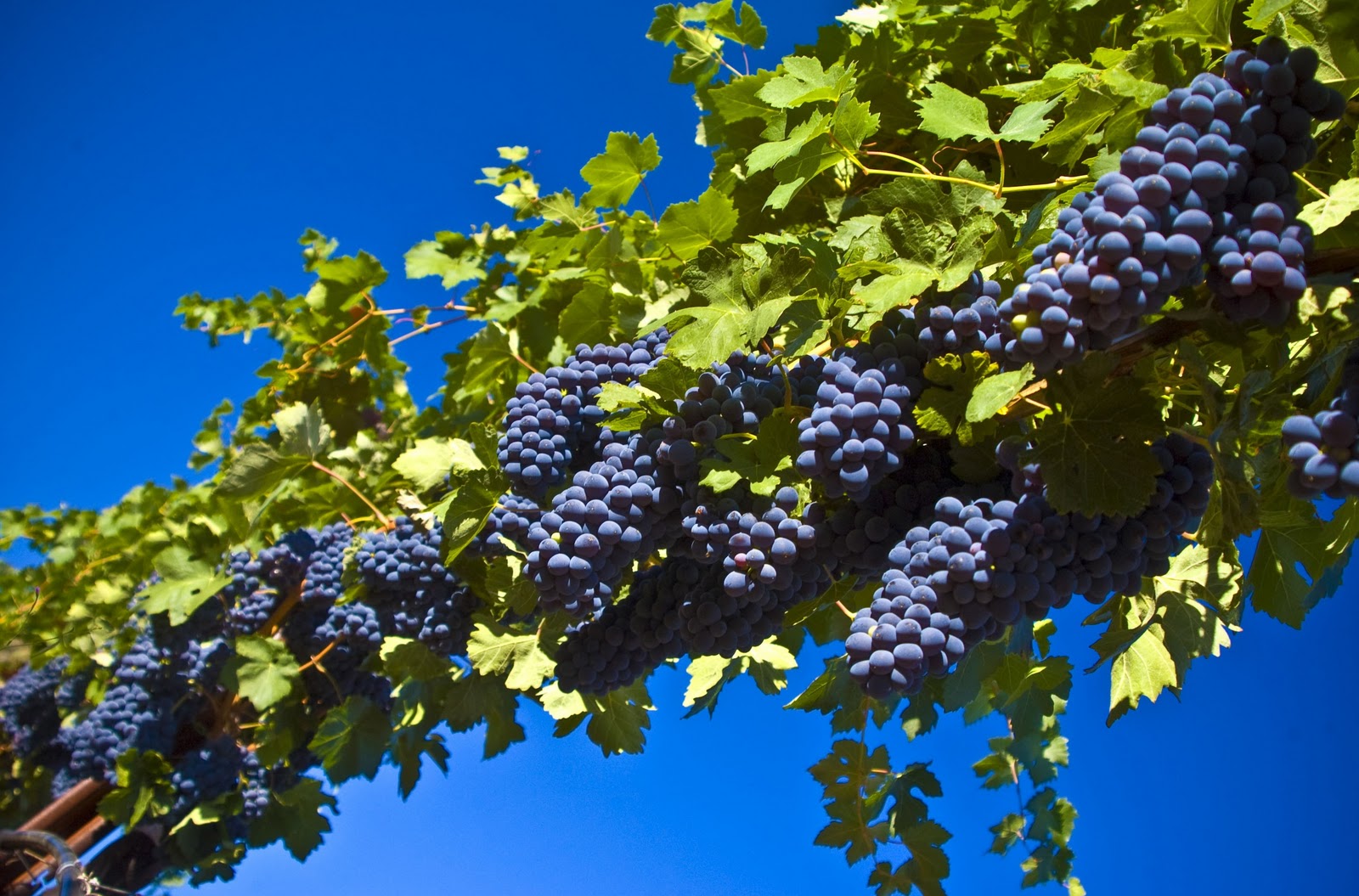
Grapes have turned sour for growers, thanks to heavy rain and steep fall in temperature in October and November. Over 80-85% of the crop loss is in southern Karnataka, surrounding Bengaluru, which is known for growing the Bengaluru Blue grape that bagged the Geographical Indication (GI) status in 2013. The government has turned a blind's eye to their plight, growers alleged. The worst hit is the seedless variety grown only in Chikkaballapur district; rare varities like Thomson seedless, Krishna seedless and Sharad seedless grapes have been damaged by rain, said Umesh KN, general secretary, Karnataka Grape Growers' Association. Of the over 800 farmers who committed suicide in 2015 in Karnataka, nine were grape growers, said Umesh. Growers are demanding a survey on grape crop loss at the earliest. KH Mumbaraddy, vice-president, Karnataka Grapes Growers' Association, said: "In North Karnataka, the hub of grape cultivation, farmers were hit by lack of rain. In the southern part of the state, it was the opposite. Unseasonal rain in the past two months affected the crop in Kolar, Chikkaballapur and Doddaballapur. The drizzle hit ripe fruit and led to their cracking. Loads of fruits harvested ended up becoming manure," says Mumbaraddy. Crops just about to be harvested were also affected. Besides, those in the flowering condition were affected by fungal diseases such as Anthracnose, Downy Mildews, added Mumbaraddy. Anthracnose or grape rot disease occurs during the rainy, warm and humid climatic conditions. It spreads with black spots on the fruit. The disease is very destructive for vineyards as it reduces the fruit quality/quantity and weakens the vines. Downy mildews is an extremely disease that can result in severe crop loss, with yellow lesions on leaves. Sarvesh Kumar, technical officer, Karnataka Wine Board, said the damage is likely to hit wine production in the state. "This year wine production across Karnataka will be hit by at least 15 per cent," he said. For wine production, French variety of grapes such as Shiraz and Cabernet, largely grown in North Karnataka, are used. "Ideally, there should be a survey to determine the extent of crop loss," said a farmer. Source - http://timesofindia.indiatimes.com

18.12.2015

USA - Should The World Emulate Crop Insurance?

With the increased frequency and severity of extreme weather events adversely affecting agricultural outputs and farmers’ incomes, commercial crop insurance has been touted as the solution for vulnerable farmers all over the world. Financial and farm interests have been promoting US crop insurance as the solution. It is instructive to consider lessons from the 2012 drought. Driven by the expectation of high maize prices, owing to the maize bio-ethanol mandate introduced almost a decade ago, US farmers planted a record 96.4 million acres in the spring of 2012 – even planting on previously fallow and marginal fields. Farmers also knew that crop insurance would guarantee a handsome return on their investment even in the event of crop failure. Unexpectedly low crop yields caused by the drought in much of the US significantly drove up global cereal prices by mid-year. By July 2012, more than 55 per cent of the US was in a state of moderate to extreme drought – the worst since 1956. US maize yield fell far short of the 166 bushels per acre that the US Department of Agriculture had projected in the spring. The USDA rated only 31 per cent of the crops “good” or “excellent”, while 38 per cent were rated “poor” or “very poor.” When bad weather destroys part or all of their crop, those with a harvest-price clause in their insurance policies are compensated for most of their expected crop at the market price. When farmers can earn more from insurance at higher prices, they have an incentive to behave in ways that may raise prices even more, e.g. by delivering less. Insurance payments for lost yields are based on current market prices, not some pre-agreed prices. Given the structure of these payoffs, it is not surprising that 85 per cent of all planted US farmland was insured in 2012, up from 75 per cent a decade ago, and only 25 per cent in 1988. Hence, many US maize farmers had their highest incomes ever despite the harvest failure! By reducing the harvest, the drought drove up prices, boosting farmers’ incomes from insurance payments. If farmers with good insurance coverage make claims instead of harvesting, even less maize gets to market, raising prices – and insurance payments – further. When farmers planted in the spring, the maize price was less than 5 dollars a bushel. Indeed, with highly subsidized crop insurance, if prices rise high enough, American farmers can earn far more from a failed harvest, than from a successful harvest. As insurance paid 80 per cent of current harvest prices, many farmers made more from insurance when prices rose above 6.25 dollars, than with a full harvest. The supply shortfall pushed up maize prices to more than 8 dollar per bushel. As more land had been planted than ever before, many had expected a bumper crop, aggravating the low yield’s impact on prices. As the US is, by far, the world’s largest maize producer, and maize is the most popular animal feed, the poor harvest raised other food prices as well. Nevertheless, this is very big—and very good—business for the insurance companies. Every year between 2000 and 2010, US crop insurers collected more in premiums than they paid out. But insurance companies also have little incentive to deter excessive payouts as the US government covers roughly three-fifths of premiums and reimburses private crop-insurance companies for administrative and operating costs exceeding a fifth of total premiums. Thus, the larger the nominal losses to insurers, the greater the share of payouts the government covers. In 1989-2009, crop insurance cost US taxpayers 68.7 billion dollars, rising from 2 billion dollars in 2002 to 9 billion dollars in 2011, with more frequent and devastating extreme weather events. In 2011, when drought hit Texas and the US Southwest, total indemnified agricultural losses amounted to 10.8 billion dollars. But, as the government subsidized both premiums and re-insurance, private insurers still made a profit of 1.7 billion dollars. With the greater severity of the 2012 drought, the payout was much larger. The federal government subsidy to crop insurance has since increased with the latest US farm bill. Yet, US policymakers have no reason to change things. Farm incomes account for a relatively small share of the US economy. In the run-up to national elections, powerful farm lobbies regularly call for even more federal protection. With candidates from both major parties vying for farm votes, neither side will discuss the perverse effects of US crop insurance or even its effect on the fiscal deficit – much less its impact on food prices and the world’s poor. Instead, crop insurance is still touted as the best means to reduce farmer vulnerability, or even to combat poverty in developing countries. In Europe, the crop insurance lobby is calling for a “level playing field” by emulating US arrangements — by raising the level of support from the current 20 per cent to the US’s 70 per cent! As such generous underwriting is allowed under WTO rules, and most developing countries cannot afford to subsidize crop insurance to the same extent, their farmers will consequently be at a further disadvantage. In any case, most poor farmers in developing countries are unlikely to be able to afford even the subsidized premiums offered by commercial insurance. The “success” and popularity of US crop insurance is clearly due to high levels of government subsidy, beyond the means of most developing country governments. While the risk-sharing that crop insurance offers is undoubtedly attractive, commercial insurance companies would not participate if they were really sharing risk. Surely, there are better options for protecting farmers — in the US and elsewhere. Source - http://www.ipsnews.net

18.12.2015

USA - SAIC to help develop new crop insurance products for RMA

Science Applications International Corp. (SAIC) has been awarded a $156 million contract with four one-year options to provide technology services to the US Department of Agriculture’s Risk Management Agency. The contract, which starts February 1, will help provide employment for up to 150 people in Kansas City. Previously, SAIC won a similar contract with four options from the USDA in 2011. The USDA operates and manages the Federal Crop Insurance Corp., an organization that provides crop insurance to farmers and ranchers to protect their investments in crops and livestock. Through the contract, SAIC will offer its IT services to the USDA to support the creation and delivery of new crop insurance products, as well as to develop and maintain IT systems and design, and deploy and maintain the underlying infrastructure for the USDA’s IT systems. Heath Starr, senior director of USDA programs in Kansas City, said that the IT solutions created by SAIC will benefit not just the USDA, but ultimately the entire community. Source - http://www.ibamag.com

18.12.2015

Zurich Insurance to Buy Wells Fargo Crop Insurance Business

Zurich Insurance Group AG has agreed to pay up to $1.05 billion for U.S. finance business Wells Fargo & Company’s crop insurance business, as it attempts to overcome a tumultuous period in which it parted company with its chief executive. Its Zurich American Insurance Company unit will buy Rural Community Insurance Services in a deal that is expected to close by the end of the first quarter of 2016. The business is of the largest U.S. crop insurance providers, offering federal crop insurance programs that include multi-peril and other private crop insurance products. Wells Fargo said the estimated purchase price of the business is between $675 million and $1.05 billion. The move follows a difficult few months for Zurich Insurance, which recently called off a potential $8 billion bid to buy U.K.-based RSA Insurance Group PLC. At that same time, the company warned that it would report a weaker-than-expected third-quarter profit for general insurance. Last month it reported a 79% decline in third-quarter net profit, and an operating loss of $183 million at its general insurance business in the period, where it said it planned to cut roughly 200 jobs. At the beginning of December, the company said Chief Executive Martin Senn would step down by the end of the year. He is being replaced on an interim basis by Chairman Tom de Swaan while a permanent successor is sought. Source - http://www.wsj.com

18.12.2015

Philippines - DA initially places ‘Nona’ damage in E. Visayas at P92.57M

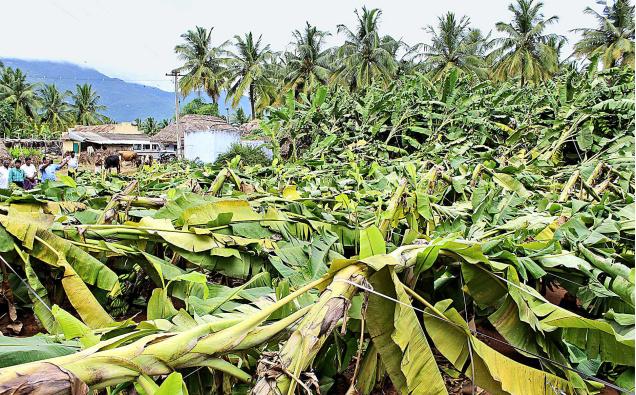
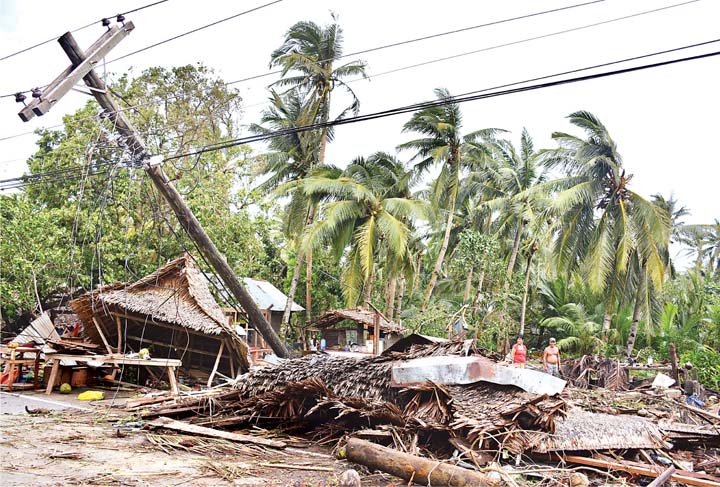
The farming sector in eastern Visayas suffered PHP92.57 million production losses due to typhoon “Nona”, the Department of Agriculture regional office here reported. Of the total, PHP3.57 million losses were recorded in Biliran province, P5.47 million in Samar, P29.99 million in Eastern Samar, P53.51 million in Northern Samar. The typhoon has affected 3,642 farmers in four provinces. Rice farmers bore the brunt of Nona’s wrath suffering PHP52 million losses, based on initial estimates. Another badly affected commodity is banana with PHP16.39 output losses. Other crops that sustained damages are cassava (P4.36 million), vegetables (P2.04 million), corn (P22,791), root crops (P10,938), fruit trees (P166,470). Fishery and livestock sectors suffered P4.15 million and P13.4 million losses, respectively. The typhoon directly affected 2,679 hectares of farms. For rice alone, harvest losses are pegged at 3,060 metric tons. “We are committed to assist farmers. The DA regional field offices have prepositioned seed stocks to cope up with damages wrought by calamities so that our farmers could easily recover their losses at the shortest possible time,” said DA Regional Executive Director Leo Cañeda. The DA reminded affected farmers to get proper certifications from their respective local agriculture offices in order for them to avail of the free seeds. Source - http://www.manilatimes.net

18.12.2015

New Zealand - Tasman hail storm hits apples hardest, damage yet to be assessed

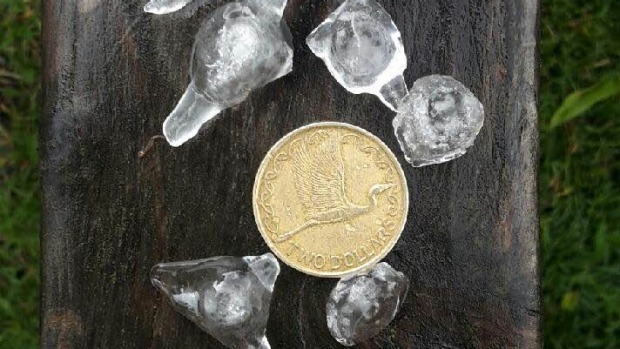
Damage caused to fruit crops in the Tasman region by Wednesday night's hail storms cannot yet be assessed, but growers are optimistic business won't decline as a result. The Insurance Council has received about 20 claims and Chief Executive Tim Grafton said that number is likely to grow, with damage estimated to be in the millions. Apple orchards seemed to be hardest hit. Pipfruit Chief Executive Alan Pollard issued a statement that some Nelson growers had lost entire blocks to hailstones, reported to be the size of 50c pieces. "At this stage, with increased plantings coming on stream and a bumper crop on the trees in unaffected orchards and in New Zealand's other growing regions, we would expect similar national export volumes to last year." Orchards in Nelson, Central Otago and the Hawke's Bay suffered severe hail storms in November last year but Pollard said the experience showed hail-struck crops could still produce export quality crops. That hailstorm, which was described as the worst in living memory, and affected about 40 growers, caused seven crop insurance claims nationally valued at $3.8 million. Hoddy's Orchard managing director Michael Hoddy said last year's damage was worse, but around 40 per cent of his current crop had been badly affected. A spread of growing blocks and breaks in the storm had mitigated its impact, he said. "Hail kind of goes in belts and thank goodness, because if it didn't we wouldn't have anything to salvage. We have some blocks with no damage, but it will create extra work for us. "With the thinning we have to do at this stage it puts a bit more pressure on the handling of the fruit." Hoddy said punctured fruit was the biggest concern, but that this event highlighted the realities of fruit growing and said "there's no use being too mournful about it". "We just have to deal with the hail as we process through the shed." His comments were echoed by Riwaka orchardist Jarrod Fry, who estimated 30 to 40 per cent damage on his apple crop, and said his kiwifruit crop had been demolished. "One of the issues with having a storm this late in the apple process is that most of the apples have been thinned. You don't have the opportunity or the scope to thin the hail off and still get a commercial crop, and that will affect a lot of people." Fry said it would take another week or 10 days to assess the full extent of the damage as delayed bruising becomes apparent. Tasman Bay Berries, the largest boysenberry grower in New Zealand, experienced significant damage on their 16 hectare Paton Rd block. Owner Glen Holland estimated about 50 per cent damage to that block, but had not had time to fully quantify the storm's effect. "As a quick observation there's a reasonable amount of fruit that's going to ripen in the next week that has been damaged. "We'll get a really good idea of how they look once we put them in a tray - or how bad it is." Warnings of thunderstorms and moderate-sized hail for Thursday night brought the risk of botrytis into the equation, Holland said. "Physical damage creates an entry point for mold to spread. The mold feeds on the sugar in the fruit when that entry point is there. "We might have to close up the schedule, harvest in shorter bursts, to keep on top of it." Holland said his other blocks were unaffected and that Christmas orders would go ahead unchanged, although wholesaling hung in the balance. "It's more about if you have to put a stop to local packing for the supermarkets. If we have to stop, that it's a significant impact on our commercial profits for sure. "It will be disappointing if we have to walk away from that high-volume market." Source - http://www.stuff.co.nz

18.12.2015

India - Cotton crop in Perambalur district nearly lost

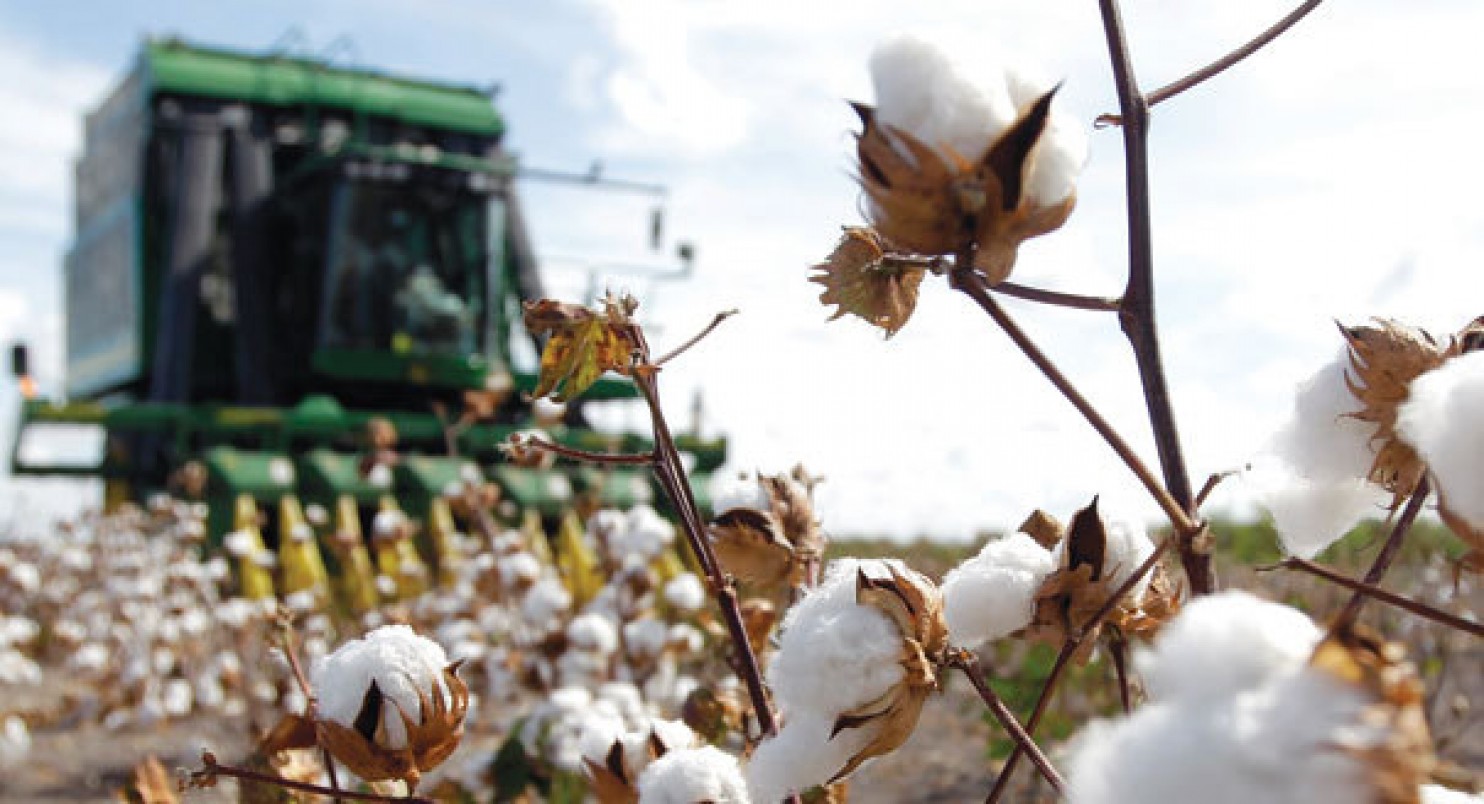
Cotton crop has suffered extensive damage following heavy rainfall in the last fortnight, resulting in almost zero yield or yield with the poorest quality in the produce. What is more distressing is the efforts of the cotton cultivators of Perambalur district in either salvaging the harvested cotton by drying the produce in the sunlight or in saving the standing crop by applying some fertiliser, urea or spraying insecticide or pesticide, pinning hopes on restoring strength and sheen to the standing crop. Cotton, mostly B-2 variety, has been grown on an area of 20,320 hectares, with Veppanthattai block accounting for a majority of more than 50 per cent of the crop. The average normal yield per acre is 10 quintals but this season not even one quintal could be realised, according to an official estimate. Farmers incur a huge expenditure of up to Rs. 20,000 an acre and get an equal sum as revenue after marketing it at an average rate of Rs. 4,000 a quintal. “We have incurred a huge loss just a month ahead of the harvest. Last year, we could sell the produce at Rs. 50 a kg but we do not hope to sell it even for Rs. 10 this year,” says K. Selvam and his wife Dhanalakshmi of Kaarai village who had immediately harvested the crop after a let up in the rain. “We salvage the available cotton so that it can be readily marketed. However, the quality is inferior,” they admit, pleading for adequate compensation from the State government. Fertiliser everywhere Visit any interior village in the cotton cluster of Veppanthattai or Irur block you can see a large number of farmers and agricultural labourers either transporting or applying some fertiliser, chemical, urea or pesticide in their fields. “Based on our experience, we try to protect the crop at least for the next few weeks so that it could regain its sheen,” says Kunjithapatham, a cotton grower of Kolkkanaththam in Irur block. Navarathinam, another farmer of Therani, said he was applying urea to save the standing crop. Farmers should desist from applying fertiliser or urea at this crucial stage and, instead apply cobalt chloride solution using one gram in 100 litres for an acre, says R. Kavimani, Professor and Head, Cotton Research Station, Veppanthattai, who has been visiting various rain-affected fields across the district for the past one week. He said that cotton could withstand drought condition and hence the continued stagnation of rain water in the fields had done more harm. “Roots suffocation has resulted in the poor nutrient intake. Further, it has caused in the formation of a toxic substance ethylene which further aggravated the growth and sheen of the cotton,” he said. Source - http://www.thehindu.com

17.12.2015

New Zealand - Hail the size of 50c pieces devastates Nelson fruit and berry crops

Boysenberries will be wiped from the Christmas menu for most New Zealand homes after a hailstorm ripped through the nation's largest orchard in the Nelson region. The storm that tore across the Motueka district, the Waimea Plains and its foothills yesterday was a double whammy for some orchardists who suffered similar crop devastation little more than a year ago. The Met Service has also issued a severe thunderstorm warning for Nelson and says there might be more damaging hail on the way. It covers the Nelson district, Motueka and Golden Bay. "A few of the thunderstorms may be severe with large damaging hail and/or significant accumulations of moderate size hail," it says. "This hail could cause significant damage to crops, orchards, vines, glasshouses and vehicles, as well as make driving conditions hazardous." The warning comes on the heels of a Wednesday storm that pelted much of the Waimea Plains, Ruby Bay  and parts of the Motueka district with large hailstones, severely damaging fruit and berry crops. The storms will likely remove fresh boysenberries from the Christmas menu for most New Zealand homes, with the largest national grower, Tasman Bay Berries, in the centre of the storm. There were reports from around the district of hailstones as big as 50 cent pieces - and the MetService said more could be on the way. Tasman Bay Berries, which produced 700 tonnes of mainly boysenberries from the Waimea Plains last year, was hard-hit. Owner Glen Holland said on first assessment the fruit could still be harvested for processing but picking for punnets and the supermarket trade "will be all over, I imagine". "That's a real shame because it's the week leading up to Christmas where we pick most for the local market." Pick-your-own would probably still go ahead because people could "pick around" the damaged fruit, Holland said. Meteorologist Peter Little said there was a risk of severe thunderstorms around Nelson on Thursday afternoon that could produce large hail to damage crops, vines and orchards. "It looks like a repeat of yesterday in terms of the risk." The punishing loss comes less than 13 months after two hailstorms pelted the Motueka district in three weeks, causing the worst damage growers could recall and reducing the region's export apple crop by an estimated 10 per cent. Today orchardists and growers were still assessing the damage. The early signs were that most of Riwaka, which bore the brunt of last year's hailstorms, escaped. But some growers have been unlucky twice. "We won the prize last year as well," said Riwaka's Jared Fry. The storm, which began before 6pm, tore through crops across Tasman, Mariri, Lower Moutere, Moutere, Motueka, parts of Riwaka and the Waimea Plains including Hope. Fry said the family's Peach Island kiwifruit crop was  slaughtered. "It smacked the apples as well. "It was widespread and severe, very severe. "We are insured, and I think a lot of growers picked up insurance after last year's storm." Damaged fruit would be picked for juice, he said. David Easton drove away from his devastated Mariri orchards last night after seeing the gaping holes and ripped leaves left  by the large jagged hail. His Waimea orchards appeared to have suffered less damage. Easton said he had stood his thinning crews down until the damage could be assessed. Lower Moutere grower Ian Palmer said the  ground under his trees had been white with hail. He predicted the damage to crops and the local economy would be worse than last year. "This is much more widespread. Most of us around here will be in pretty bad shape, but it'll be Monday before we can really assess the damage." While a lot more growers had taken insurance he suggested many had not. Riwaka grower Paul Heywood, who chairs the region's Labour Governance Group that coordinates the region's Recognised Seasonal Employer scheme, said RSE workers would still be required on hail-damaged orchards to pick for juice,  unless the crop had been written off by insurers. The growers had all experienced this sort of event at some stage, and would survive. "The important thing is we live with this and growers do have the ability to work their way through. "It doesn't make the financial experience a lot easier, but psychologically  we can cope." The eastern Waimea Plains got off lightly last year, but Wai-West Horticulture head Nick Patterson said parts of his company's extensive orchards had never been as badly damaged as yesterday and he expected some areas would be "a write-off". "I think it's taken out quite a big chunk of the plains, from Brightwater to Lower Queen St potentially, and all that ground along the foothills to half-way across." Last year's November 4 hailstorm was described as "the worst in living memory" and affected around 40 growers. A second storm three weeks later was not as severe, but hit other growers. Source - http://www.stuff.co.nz

17.12.2015

USA - Mexican fruit fly quarantine

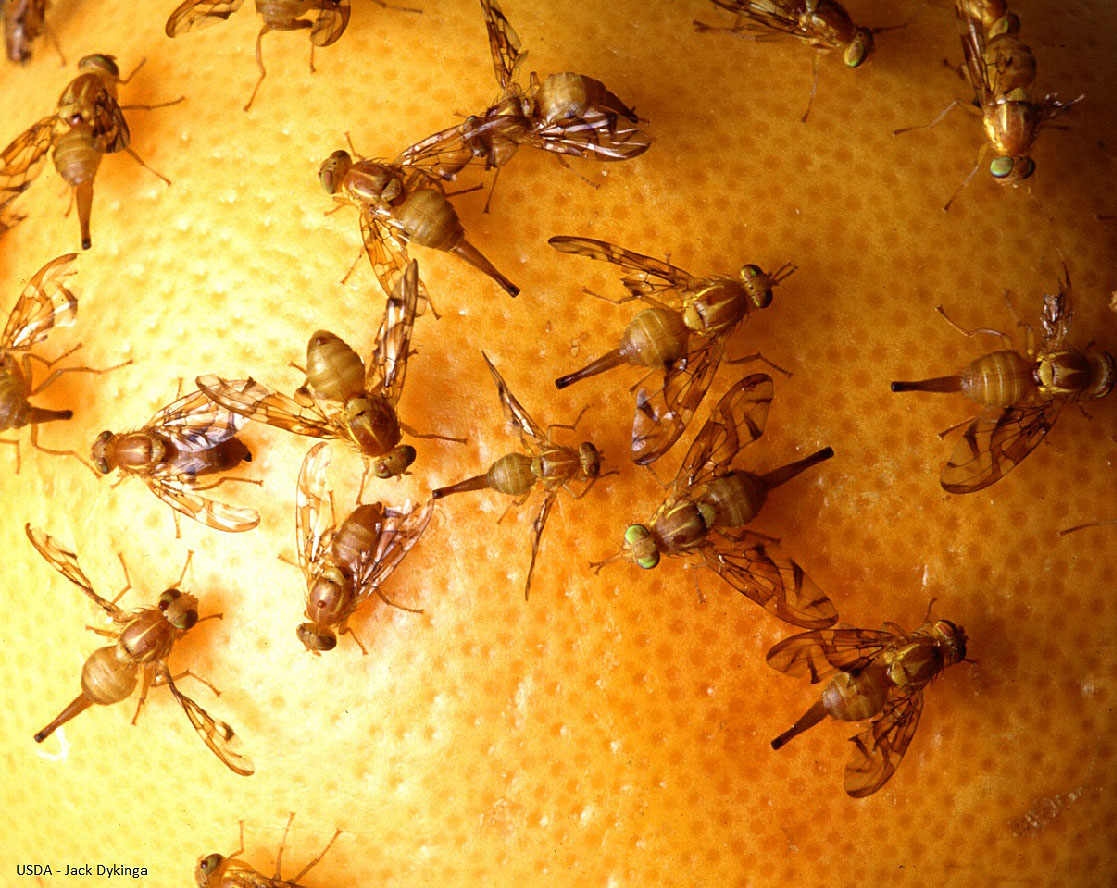
Rio Grande Valley citrus farmers are facing the Mexican fruit fly quarantine yet again. These small penny sized pests can eat into their profits. A map from the USDA shows the zone where the Mexican fruit fly is affecting Cameron County. Bonnie Elbert’s farm, Loop Farm, is just on the edge of the zone. Being in a zone does not mean all groves are infested though. Farmers like Elbert, whose farms are not affected by the fly, can still sell their goods. If the Mexican fruit fly does show up at Loop Farm, it could mean the end for their business. "It means we can't sell our fruit, simple as that,” Elbert said. “If we can't sell our fruit, this would be the second season. We would probably have to close our doors." As long as the citrus farms in the quarantine zone comply with the USDA guidelines, their fruits should be safe to consume. Source - http://www.freshplaza.com

17.12.2015

Philippines - Crop damage from Typhoon Nona at P732.59 million

The damage sustained by the agriculture sector from Typhoon Nona has reached P732,590,509 as of Thursday, according to the Department of Agriculture. "A total of 20,309 hectares of agricultural areas, with an estimated production loss of 35,533 metric tons, were affected in Regions IV-A, IV-B, V and VIII," Agriculture Undersecretary Emerson U. Palad and Assistant Secretary Edilberto M. De Luna noted in an assessment report. "The affected commodities are rice, corn, cassava, other high value crops, livestock and fisheries," the Agriculuture officials said. The report was submitted to Agriculture Secretary Proceso Alcala. Source - gmanetwork.com

17.12.2015

USA - Request made to establish cottonseed program

A rare coalition of rural and urban Democrats and Republicans from across the country, inside and outside of the cotton belt, requesting that the secretary of agriculture use his authority under the Farm Bill to designate cottonseed an oilseed, allowing farmers who produce cottonseed to access the same risk management tools available under the Farm Bill to other oilseed farmers. Suffering under combined pressures of natural disasters and predatory foreign competition by China, India, and others, financially struggling American cotton farmers received strong backing from Capitol Hill as House Agriculture Committee Chairman Mike Conaway (R., Texas), ranking member Collin C. Peterson (D., Minn.), General Farm Commodities and Risk Management subcommittee chairman Rick Crawford (R., Ark.), and subcommittee ranking member Tim Walz (D-MN) led 100 Members of the House of Representatives urged U.S. secretary of agriculture Tom Vilsack to use legal authority provided under the 2014 Farm Bill to provide crucial help. “America’s farmers are currently experiencing a 55% free fall in net farm income, with huge losses due in part to the culprits of natural disasters and the unfair trade practices of foreign countries that use high and rising subsidies, tariffs, and non-tariff trade barriers to elbow U.S. farmers out of world markets,” said Conaway. “Cotton farmers are getting hit the hardest right now and they are doing all they can just to hold on without access to key risk management tools under the Farm Bill.” The week prior the General Farm Commodities and Risk Management Subcommittee held a hearing on the crisis unfolding in cotton country. Farmers from across the country urged lawmakers to join farmers in requesting the Secretary use his authority to provide relief. “We are deeply concerned that unless the Secretary takes action, there will be significant economic consequences. We cannot allow the predatory trading practices of a few huge players in the world cotton market to destroy cotton production in this country, but that is exactly what will happen without action,” Conaway concluded. The American Soybean Assn., also wrote a letter to Vilsack in support of establishing the cottonseed program. “ASA is aware of and concerned about the difficult economic conditions currently facing U.S. cotton growers and the cotton industry,” wrote ASA president Richard Wilkins in the letter. “Participation in the STAX program in 2014, at only 24 percent of producers, leaves a large majority of cotton farmers with no protection against low prices other than crop insurance and the marketing loan program. Allowing farmers with generic acres the option to sign up for a cottonseed PLC or County-ARC program would offer producers an improved safety net.” “We do not believe a cottonseed program would have a negative impact on the production of soybeans or other oilseeds, or on vegetable oil prices,” added Wilkins. “The PLC and County-ARC programs are decoupled, so payments are not tied to current-year planting of any crop and producers can respond to market signals. This market-oriented approach is similar to programs in effect under the 2008 Farm Bill, when production of cotton and cottonseed was much higher, but did not negatively affect production or prices of soybeans or other oilseeds.” ASA’s support is conditional on the determination that the estimated cost of the program can be offset, if necessary, without negatively impacting funding for other farm bill programs or reducing funding for crop insurance, and that it will not violate U.S. commitments under the WTO. Source - http://feedstuffs.com

17.12.2015

Philippines - PCIC discontinues Yolanda insurance coverage

FARMERS affected by super typhoon Yolanda will no longer have free insurance coverage starting next year, an official of the Philippine Crop Insurance Corp. (PCIC) said. PCIC 7 Director Crecencio Deligero said on Tuesday that the two-year agricultural insurance program for Typhoon Yolanda farmers will no longer be continued, as decided by the PCIC board. PCIC has allocated P60 million this year intended for 47,278 farmers in Central Visayas, all concentrated in the 16 towns of Northern Cebu that were most affected by the super typhoon in 2013. These include Bantayan, Bogo City, Borbon, Daanbantayan, Medellin, Pilar, San Remegio, Sta. Fe, Madredijos, Sogod, Tabogon, Tabuelan, Tuburan, San Francisco, Tudela, and Poro. From January to Nov. 30, the PCIC paid P13.7 million in claims benefiting close to 2,000 farmers. “All funds for the Yolanda insurance all came from PCIC,” Deligero said. The agricultural insurance program for Yolanda victims is a 100-percent premium subsidy PCIC for insurance coverage of farm investments, including accident and dismemberment security scheme of subsistence to farmers and fisherfolk. The program is in compliance with Malacañang Memo-Circular No. 59 dated Nov. 26, 2013, which orders the PCIC to provide financial relief to individuals and entities “directly and adversely affected by the calamity.” Insurance lines include corn, rice, livestock, high-value crops, non-crop (e.g. fishing boats), and credit and life term insurance. According to PCIC in its website, farmers and fisherfolk certified by the Office of the Municipal or City Agriculturist or Municipal Agrarian Reform Program Office, or Provincial Agrarian Reform Program Office, as subsistence farmers and fisherfolk, are the intended beneficiaries of the Yolanda program. In addition, farmers and fisherfolk, borrowing and self-financed farmers located in the covered provinces or areas are also included. While the insurance program for Yolanda farmers will end next year, Delijero said PCIC has other programs that offer farmers insurance protection. PCIC has a regular insurance program and full free insurance coverage programs like the Registry System for Basic Sector in Agriculture (RSBSA) program for all subsistence farmers and fisherfolk listed in the registry system; the Agrarian Production Credit Program (APCP) and Credit Assistance Program for Program Beneficiaries Development (CAP-PBD), and the Deaprtment of Agriculture Rice Insurance Program. The farmers who wish to avail of these free insurance, however, have to meet specific criteria. As of January to November this year, PCIC 7 has covered 207,806 farmers, surpassing the 153,000 target. Source - http://www.sunstar.com.ph

17.12.2015

India - No severe crop loss in dist

No village in the district stands to get monetary compensation in case the governement decides to provide for crop damage in the area. The district collector on Tuesday stated in a report that no village in the district is having severe crop condition; hence, all the villages are above 50% paisewari. That means, iIf the government decides to provide compensate farmers, it will not include a single village from Kolhapur as the paisewari here is more than 50%. Farmers have demanded a review of the damage assessment method (paisewari) used for agricultural crops, arguing that the formula used has reflected lesser losses than the actual ones. They also said that lowering ground water level and poor rainfall are going to result in reduced yield, leading to losses. But it is not reflected in the assessment, claimed Swabhimani Shetkari Sanghatna. which is a part of the ruling alliance. District collector Amit Saini said that his office has received complaints from villagers regarding the valuation and damage assessment. "We had asked the officials to conduct the actual assessment of villages, where the actual crop condition is not that bad. Hence, in paisewari these villages have faired well. If the ground reality is not that bad, it will reflect in the papersaccordingly," he said. The report, a copy of which is with TOI, states that 1,233 villages across 12 talukas of the district were selected for paisewari. Bhagwan Kate, district head of the Swabhimani Shetkari Sanghatna said, "Tehsils like Ajara, Chandgad, Gadhinglaj, Kagal, Hatkanangale and Shirol have major issues related to the method of damage assessment. The revenue department has maintained that the 'anewari' of the villages from these tehsils is slightly above 50%, which means 40% to 45% crop damage. As per the state's compensation formula, there should be more than 50% visible damage of the crop in the farm to make it eligible for monetary compensation. We objected because though the crops look fine in the field, unfavourable conditions like sudden change in temperature, poor rainfall and excess rainfall in a short period will affect the yield." Shekhar Patil, sarpanch of Dharangutti village in Shirol tehsil said villages in Shirol tehsil were not facing water scarcity and there was no issue of water supply to farms as well. "The revenue officials also claimed that though the rainfall was poor, crops in Shirol are not damaged much; hence no compensation for farmers. Meanwhile, the neighbouring villages in Miraj tehsil, which are separated from Shirol by the Krishna river, are facing water scarcity. Their anewari is lower than 50% so these villages are eligible for compensation... It shows that different rules are being applied for different villages." The Ground Water Surveys Authority has stated that water level in the district has lowered by 0.86m this year. Shahuwadi tehsil reported maximum depletion of 1.49m, followed by Hatkanangale (1.26m), Chandgad (1.14m), and Shirol (1.02m). Source - http://timesofindia.indiatimes.com

16.12.2015

India - Cotton crop in over 3 lakh hectares destroyed in Punjab: Government

Cotton crop spread over three lakh hectares has been damaged in Punjab due to whitefly infestation, while soyabean, urad and moong crop have suffered loss due to yellow mosaic virus in Madhya Pradesh, government said. During the Kharif season this year, whitefly infestation was reported in cotton crop in Punjab and Haryana. The Punjab government has reported damage to cotton crop in 3.32 lakh hectares, especially in eight cotton growing districts of Fazilka, Bhatinda, Mansa, Shri Muktsar Sahib, Sangrur, Barnala, Faridkot and Moga, Agriculture Minister Radha Mohan Singh said. He said the Haryana government has ordered a special 'gridawari' (record of land cultivation) to assess the losses in cotton due to whitefly attack. The two governments have so far not submitted memorandum of financial assistance under National Disaster Response Fund, Singh said. The Madhya Pradesh government has submitted a composite memorandum of Rs 4821.64 crore as financial assistance for drought and pest attack, he said. His deputy in the ministry Sanjeev Balyan said the central government monitored the pest situation in the country and sends advisories to the states for effective action. Experts are also sent for advising the government and the farming community to tackle pests as they can cause serious damage to crops, he added. Source - economictimes.indiatimes.com

16.12.2015

Kenya - Fish farmers advised to construct terraces and dykes to protect their fish farms

Kiambu county fish farmers in lowlands have been advised to construct terraces and dykes to control the effects of heavy rains floods and destruction of fish ponds. The fisheries department issued the advisory warning with regards to the heavy rains that have pounded the area in the past weeks. "The heavy rains are wreaking havoc on fish farmers in the lowland areas occasioned by the flooding of the fish ponds," the Kiambu sub county Fisheries Officer John Kimani said. "The likelihood of fish ponds being swept away is imminent adding that the losses expected will be high without the construction of the terraces around the fish ponds," he said. Speaking on Tuesday, Kimani said that despite the lucrative venture of fish farming, those practicing aquaculture in lowlands should construct terraces and dykes to direct flowing water away from the fish ponds. Kimani asked residents to however take advantage of the heavy rainy season to harvest water for fish farming so as to increase food security in the region especially to curb food shortages after the dry season that follows after the long rains. He refuted the common myth and growing negative perception that good fish could only be found in lakes. Source - www.hivisasa.com

902
of 1224