


Australia - Wheat production, exports forecast to be lowest in 11 years
23.10.2018 1070 views
The U.S. Department of Agriculture on Oct. 12 forecast Australian wheat production and exports in 2018-19 to be the lowest since 2007-08.
The USDA forecast Australian wheat production in 2018-19 at 18.5 million tonnes, down 1.5 million tonnes from the September outlook, down 2.8 million tonnes, or 13%, from 21.3 million tonnes in 2017-18 and compared with a record 31.8 million tonnes in 2016-17. The USDA’s initial forecast for the 2018-19 Australian crop, which was issued in May of this year, was 24 million tonnes.
The Australian crop was forecast to be the smallest since 13.6 million tonnes in 2007-08. That crop came on the heels of a disastrous outturn of 10.8 million tonnes in 2006-07.
The USDA in its October Wheat Outlook said, “Exceptionally dry, warm weather, particularly during the critical month of September, shriveled wheat in most growing regions of eastern Australia. According to the Australian Bureau of Meteorology, at the national level, it was the driest month of September on record.”
New South Wales, which in some years accounts for up to 40% of Australia’s wheat crop, has endured sustained drought. Wheat yields in the state were expected to be the lowest since the 2007 drought. The USDA said precipitation beyond this point may only marginally help a fraction of the crop that was planted later in the season “but is unlikely in any substantial way to improve yields of a crop which is mostly beyond its reproductive period and is going through the final states of maturity.”
The USDA observed conditions had been much more favorable in Western Australia, but poor precipitation there in September reduced yield potential. October rains in the state stabilized yield prospects, but frost was reported recently, and the extent of possible damage to the crop was unclear. Wheat production in Western Australia will not be able to offset crop losses in the eastern states, the USDA said.
Some private analysts suggested Australian wheat production may fall below the USDA forecast by as much as 2 million tonnes.
The USDA forecast Australian wheat exports in 2018-19 at 13 million tonnes, down 1 million tonnes from the September outlook, down 1.5 million tonnes, or 10%, from 14.5 million tonnes in 2017-18 and compared with 22.6 million tonnes in 2016-17. Australia exported a record 24.7 million tonnes of wheat in 2011-12.
The forecast outgo for 2018-19 was the lowest since 7.5 million tonnes was exported in 2007-08.
The initial USDA forecast for Australian wheat exports in 2018-19, issued in May, was 17 million tonnes.
The USDA observed, “Not only are Australian wheat supplies diminished, but it is also unlikely that the eastern states will export any substantial amount of wheat. Additionally, wheat originating in Western Australia that under normal conditions would be exported is going to be transported from Western Australia to New South Wales and Queensland. These two states greatly need animal feed this year, as the drought not only shrank their wheat harvest, but also destroyed pastures.”
Source - https://world-grain.com
EVENTS

ScaleAgData Stakeholder Engagement Event
22.10.2024The ScaleAgData project is pleased to invite you to our second stakeholder event. Building on the discussions and connections formed during our first webinar, this event will focus on fostering collaboration among stakeholders, providing updates on our project’s progress, and outlining future opportunities for engagement.
RISK EVENTS

Moldova - May frosts caused heavy damage to fruit orchards
10.05.2026The first frosty nights of May have significantly worsened estimates of damage to Moldova's fruit sector from spring frosts. According to initial assessments by fruit market operators, between a quarter and a third of the country's total orchard area was seriously affected.
22.10.2026
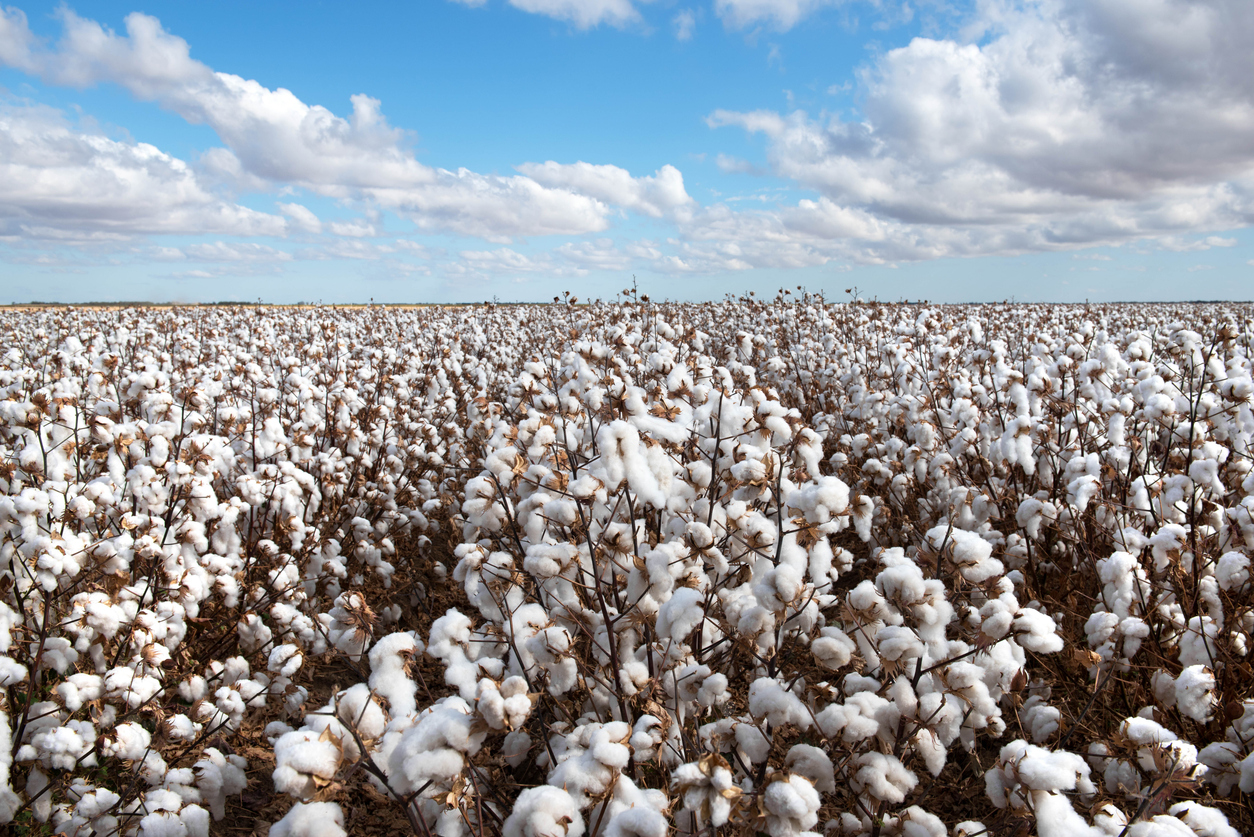
USA - Cotton Producers Face New ARC PLC Decision Deadline
The special provision giving producers the higher of ARC or PLC for 2025 will not continue next year.
22.10.2026

Pakistan - Punjab unveils £300,000 climate-resilient agriculture project for Cholistan and Thal
The Government of Punjab announced a 300,000-pound pilot project to establish climate-resilient agriculture across arid desert regions. The 12-month targeted initiative specifically focuses on farming communities operating within the vulnerable Cholistan and Thal desert ecosystems.
22.10.2026
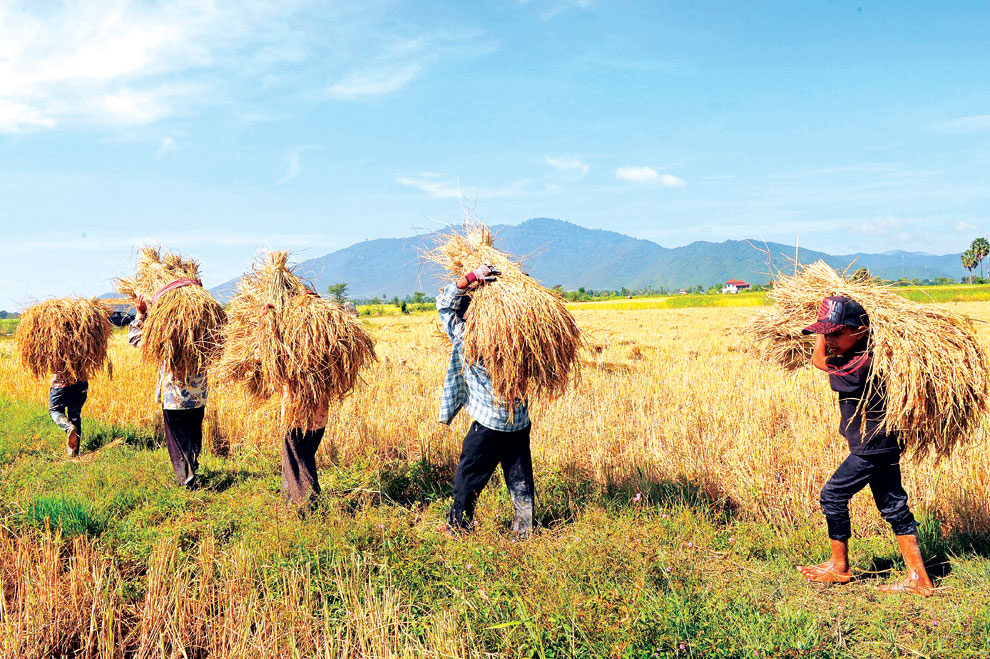
Cambodia looks into insurance scheme for agricultural cooperatives
Cambodia's Ministry of Agriculture, Forestry and Fisheries (MAFF) is looking into a disaster-related insurance scheme designed for modern agricultural cooperatives.
22.10.2026

USA - Dec. 1 deadline set for 2027 pasture and forage insurance
Northeast farmers have until Dec. 1 to secure Pasture, Rangeland and Forage insurance coverage for the 2027 crop year, according to Crop Growers.
22.10.2026
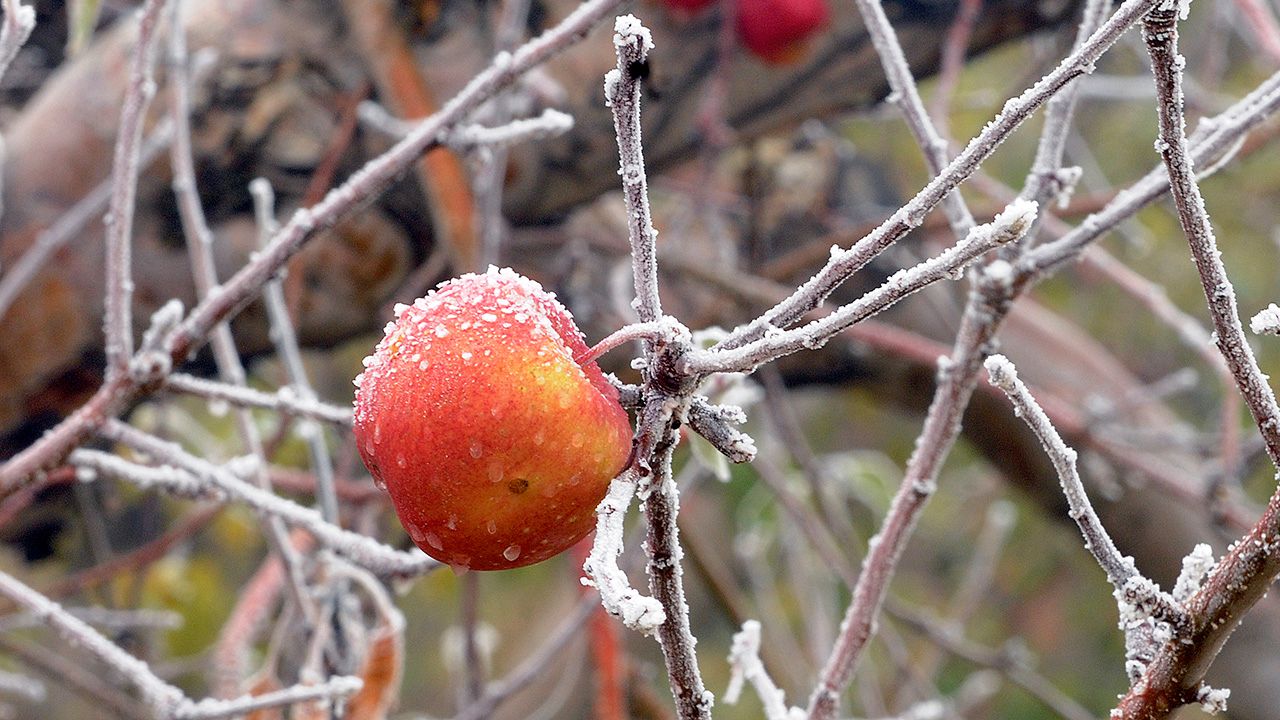
Spring frost hits Polish apple varieties unevenly
Spring frosts have affected Polish apple varieties differently this season, with some performing better than initially expected and others facing substantial losses.
22.10.2026
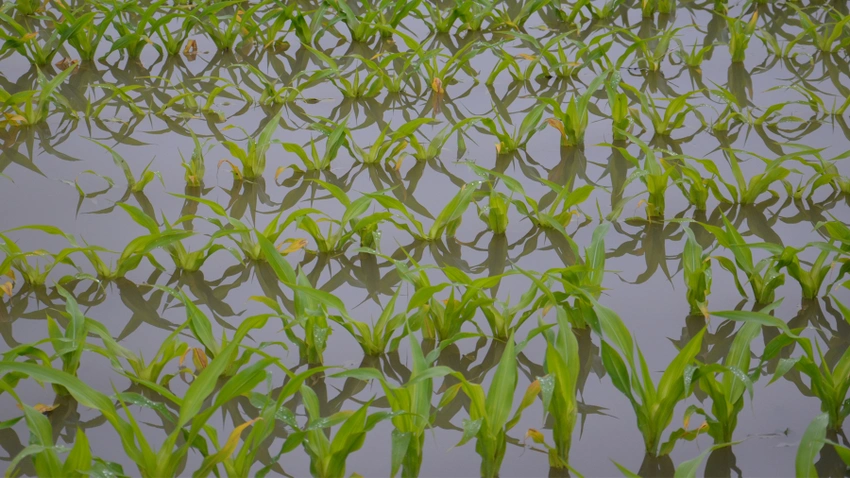
Spain - Flooded fields in Valencia and Alicante and 130 hectares of greenhouses affected in Almería
The arrival of storm Adam on the Mediterranean coast has brought heavy rainfall that has hit the Valencia region hardest, particularly the coastlines of the provinces of Valencia and Alicante, though the inclement weather has also hit other regions including Andalusia, Catalonia, and the Balearic Islands.
21.10.2026
India - Government launches Pashudhan Bima Portal to streamline livestock insurance, claims and monitoring
The Government today launched Pashudhan Bima Portal in New Delhi. The Portal will provide a single, integrated digital platform for livestock insurance, enabling streamlined policy issuance, claim processing, monitoring and reporting in case of animals insured under the Livestock Insurance Scheme of the Department of Animal Husbandry and Dairying.
21.10.2026

Malaysia - Perak Perhilitan monitoring elephant herd after crop destruction complaints
The Perak Department of Wildlife and National Parks (Perhilitan) has received six official complaints this year from oil palm smallholders in Kampung Perlop 1, Sungai Siput, over wild elephants destroying crops and plantation infrastructure.
