Canada - 'Unprecedented' wet fall Manitoba weather hurts crops
11.10.2019 1094 views
Unusually wet fall weather in southern Manitoba has left soybean and potato crops stranded in fields, municipalities fighting floods at a time when rivers usually run low and climatologists pondering what all this water means.
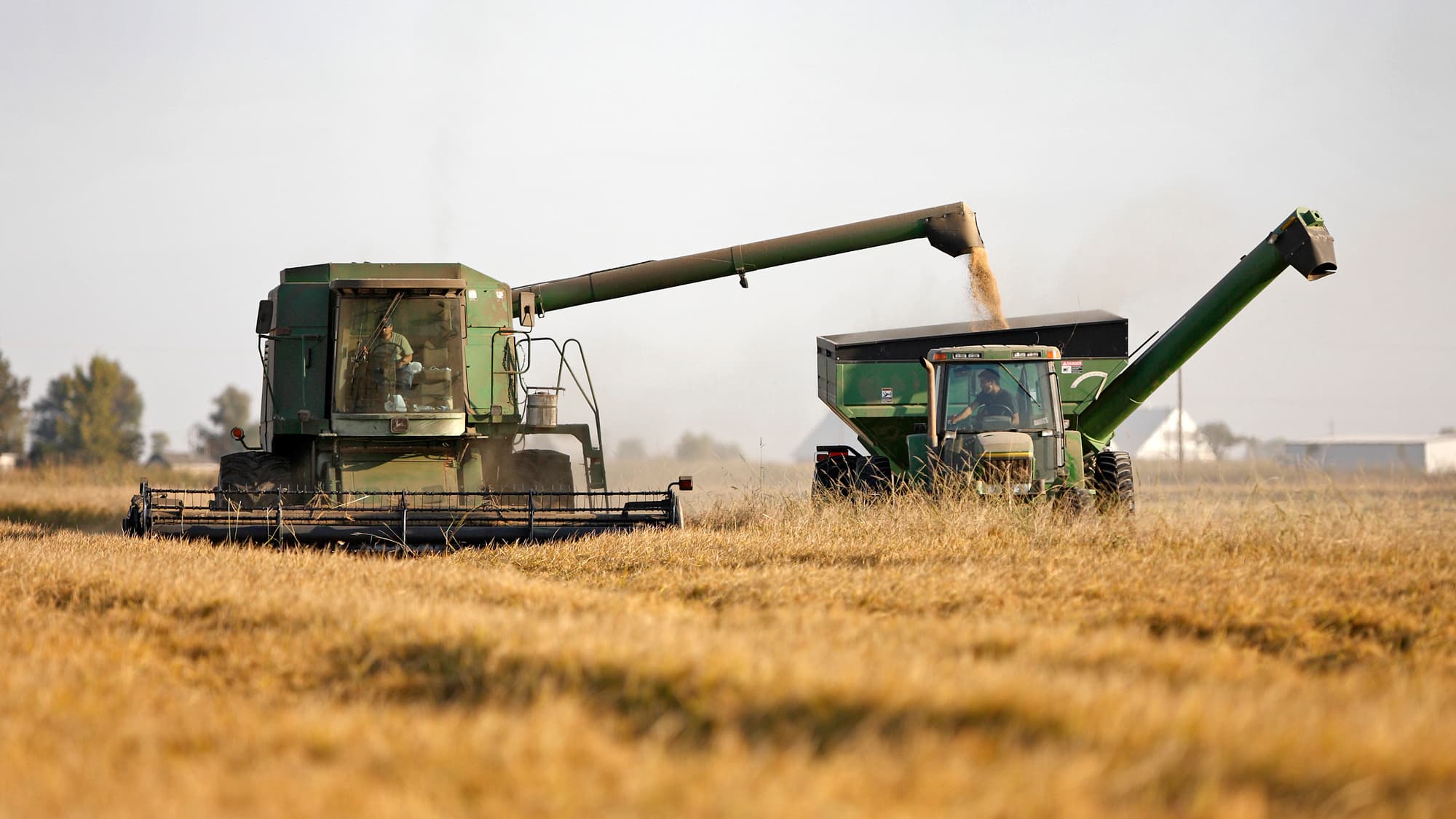
Manitoba agricultural producers had already endured a dry spring and summer that stunted some crops before a very wet September delayed the fall harvest of canola, corn and other commodities. A Colorado low has now brought snow into Manitoba, further delaying efforts by producers to remove what crops remain.
Soybean farmers have been hit particularly hard. As of Tuesday, only 14 per cent of Manitoba's 1.4-million-acre soybean crop — the third largest in the province, after canola and spring wheat — had been harvested, according to Manitoba Agriculture.
"To the extent where we have this many soybeans still standing out in the field, and it being this wet and getting snow, I think this is unprecedented," said Anastasia Kubinec, crop industry development manager for Manitoba Agriculture.
Charles Fossay, who seeded 700 acres of soybeans on his family farm in the Rural Municipality of Cartier, west of Winnipeg, said he has not been able to harvest any of his crop.
"I've seen some bad years, but this is the worst I can remember in the past 50 years," he said, standing within rows of stunted soybean crops, laden with wet, heavy snow.
Farmers may shy away from soybeans if volatile fall weather continues in future years, Fossay said.
"Most likely guys are going to move away from growing longer-season crops, such as beans," he said.
Spuds in trouble, too
Manitoba Agriculture is even more concerned about the province's potato crop. While the size of the crop is much smaller than canola in geographic terms — only 56,000 acres — it's also far more valuable per acre.
As of Monday, only 60 per cent of the potato crop had been harvested in what has amounted to the second straight terrible year for Manitoba spuds.
"We thought last year was a bad harvest, but this year is proving to be just as bad, if not worse, with all the rainfall," said Dan Sawatzky, who manages the Keystone Potato Producers Association in Portage la Prairie, west of Winnipeg.
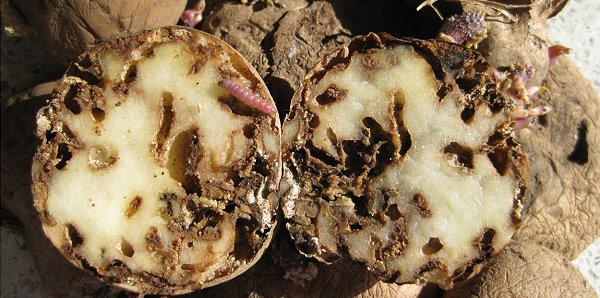
Potatoes can rot in storage if they freeze in the ground. (CBC)
The big problem for potatoes is not snow on the ground, but moisture below, especially if the ground freezes before the crop can be harvested.
"If there's frost damage, they can start rotting in the shed," said Kubinec. "You can start to get storage losses."
Manitoba's flax, corn and sunflower harvests are also behind schedule, though the latter two crops are usually hardy enough to survive a blanket of snow.
Floodway around Winnipeg activated
The agricultural woes in Manitoba are merely punctuating the soggiest fall in recent memory. Winnipeg, which usually enjoys a very dry fall, experienced three times the rainfall it usually does in September.
The entire Red River Valley received so much water, the Red River started rising to levels approaching minor floods on both sides of the Canada-U.S. border.
The rising water, coupled with a forecast of 60 to 100 millimetres of precipitation this weekend, led Manitoba Infrastructure to put Winnipeg's Red River Floodway into use in the fall for the first time ever.
Water levels on the Red River are higher now than they have been since Environment Canada records began in 1971.
Source - https://www.cbc.ca