

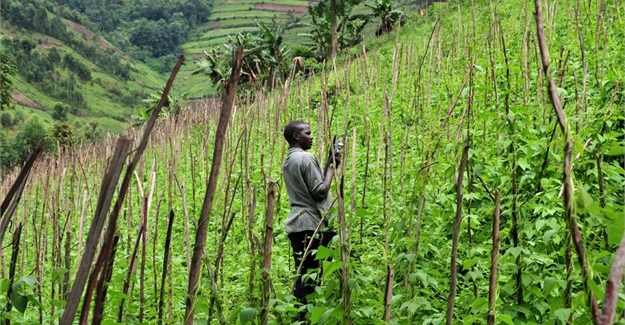
Tanzania - Adverse weather conditions lead to millions of losses
25.02.2019 958 views
According to a study revealed by the Sustainable Intensification of Maize-Legume Cropping Systems for Food Security in Eastern and Southern Africa (Simlesa), climate change is costing Tanzania some $96.6million every year in crop losses.
Funded by Australia, Simlesa released a study on 20.02.19, that says climate change is affecting annual crop production causing losses of over 300 000 tonnes of staples like maize and legume yields.
To bring it to perspective that is almost 2 per cent (1.65%) of the country’s Gross Domestic Product (GDP).
Titled, Country Synthesis Report 2018, the study was released at the launch of a seminar on Conservation Agriculture Technologies held in Arusha at the Tanzania Agricultural Research Institute (Tari).
Speaking at the event, Simlesa’s Local Coordinator Dr John Sariah, said conservation agriculture for sustainable intensification (Casi) technologies was one of the climate smart technologies tested and validated by the project to address low productivity.
According to Dr Sariah, Conservation Agriculture Technologies have the ability to increase maize production to 4.5 tonnes/ha.
Without application of these smart interventions, the study revealed that an hectare of maize is only producing a mere1.2 tonnes per hectare and production of maize continues to fall consistently over the years.
EVENTS

ScaleAgData Stakeholder Engagement Event
22.10.2024The ScaleAgData project is pleased to invite you to our second stakeholder event. Building on the discussions and connections formed during our first webinar, this event will focus on fostering collaboration among stakeholders, providing updates on our project’s progress, and outlining future opportunities for engagement.
RISK EVENTS

Moldova - May frosts caused heavy damage to fruit orchards
10.05.2026The first frosty nights of May have significantly worsened estimates of damage to Moldova's fruit sector from spring frosts. According to initial assessments by fruit market operators, between a quarter and a third of the country's total orchard area was seriously affected.
17.09.2026
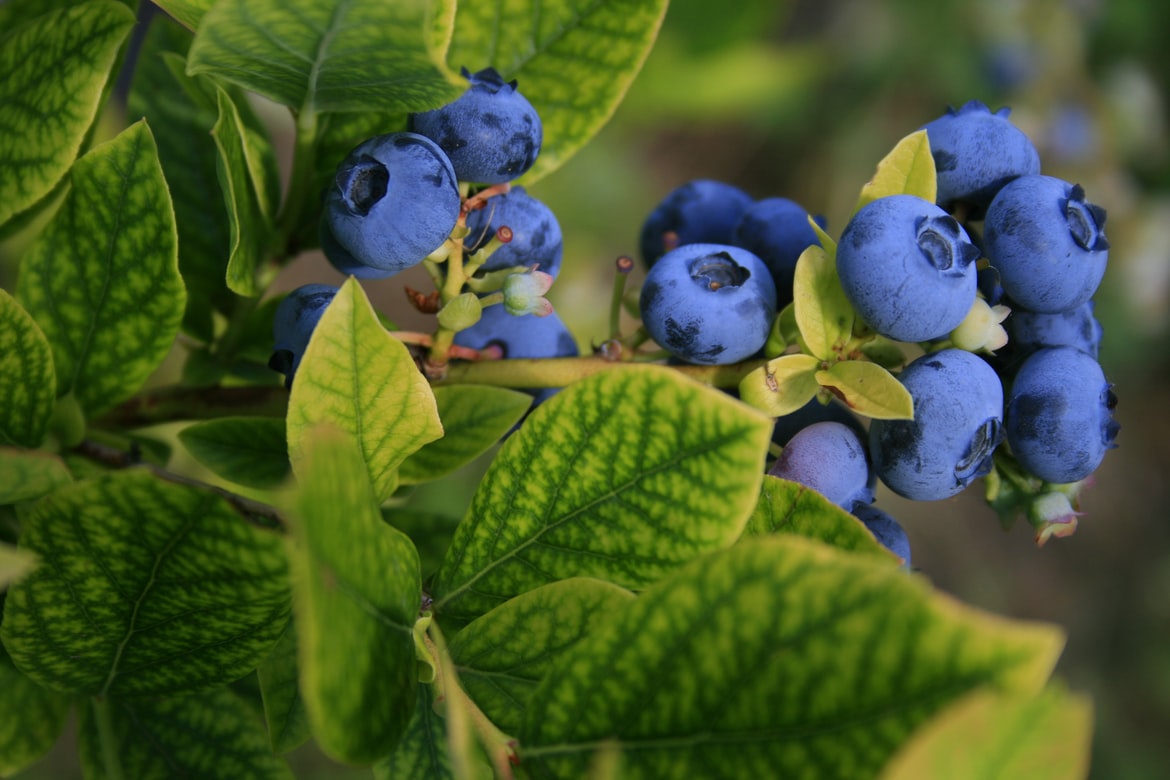
12-hectare blueberry greenhouse project underway in Kenya
Kakuzi Plc has started development of a 12-hectare blueberry greenhouse project in Kenya, adding blueberries as its third commercial superfood crop alongside macadamia and avocado as part of its revenue diversification strategy.
17.09.2026
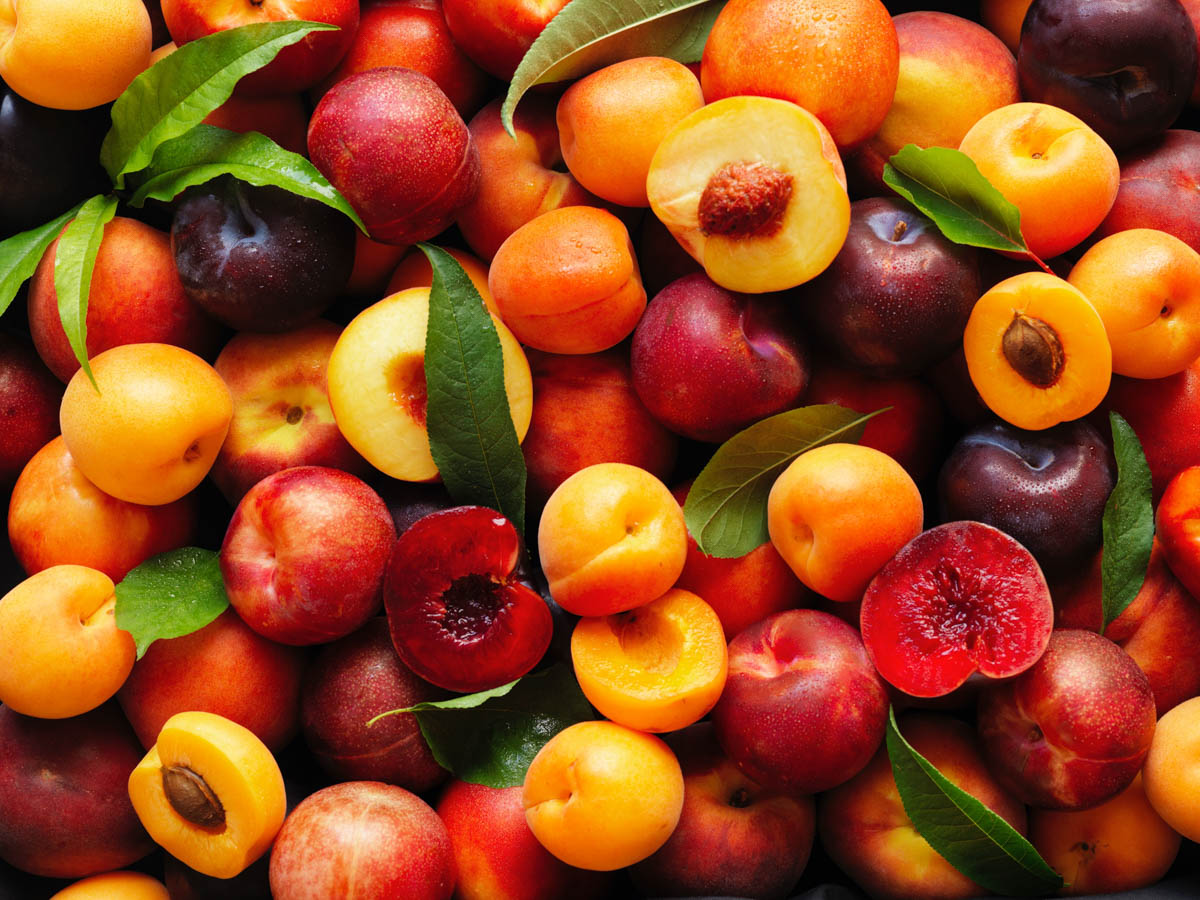
USA - USDA Expands Crop Insurance Flexibility for Organic Stone Fruit Growers
The USDA is improving crop insurance options for organic stone fruit producers, giving them more flexibility beginning with the 2027 crop year.
17.09.2026
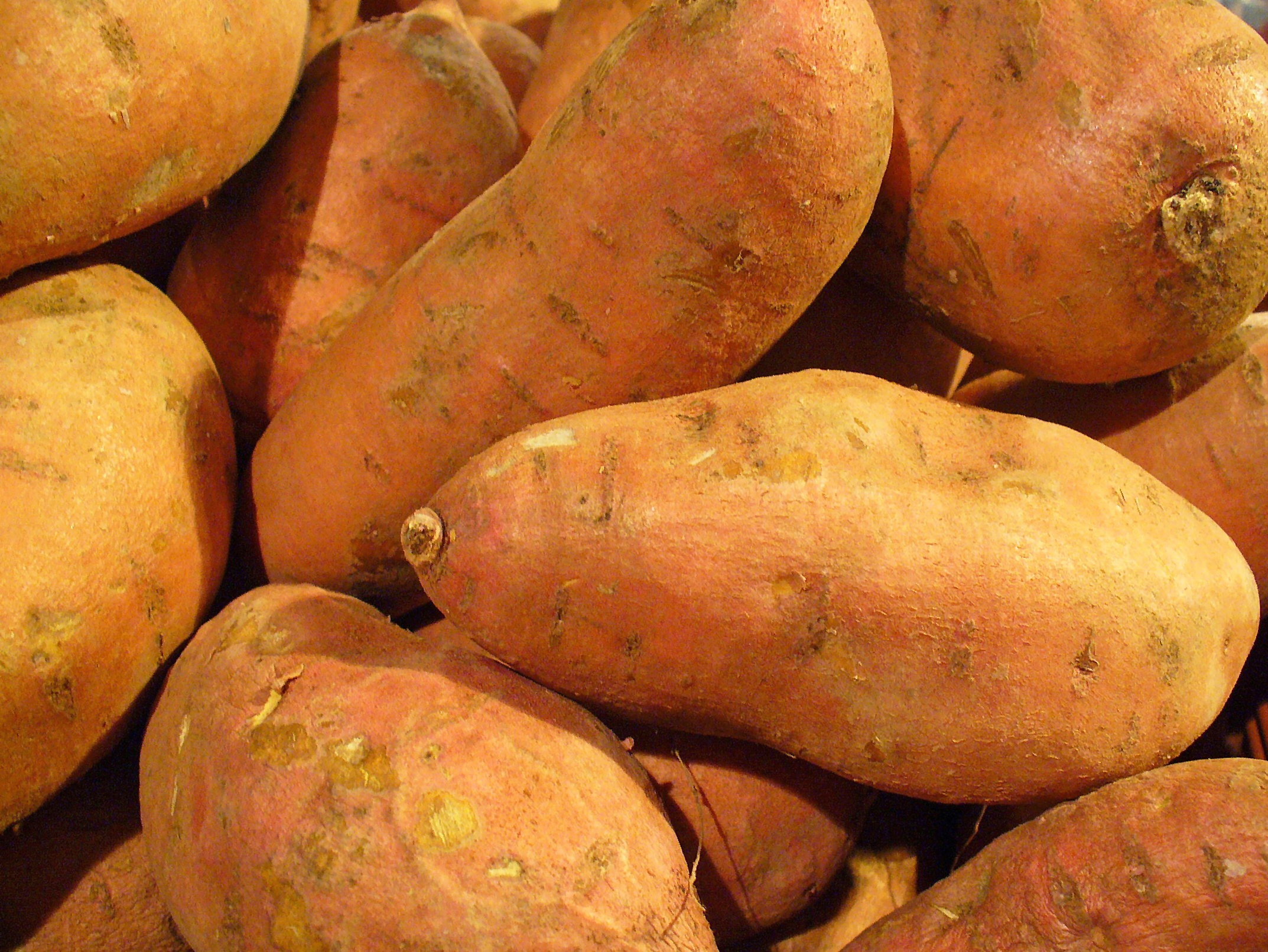
New sweet potato processing facility targets value addition in Uganda
A new sweet potato processing facility in Uganda's Teso sub-region is expected to expand processing capacity and create additional market channels for locally grown sweet potatoes.
17.09.2026

India - Beed Farmers Stage 'Halgi Bajao' Protest Seeking Drought Declaration, Compensation
The protest was organised by the Shetkari Hakka Morcha under the leadership of Rajendra Amte. Farmers demanded that the government conduct panchnamas of crop losses, provide compensation of ₹40,000 per acre and immediately release pending crop insurance payments.
17.09.2026
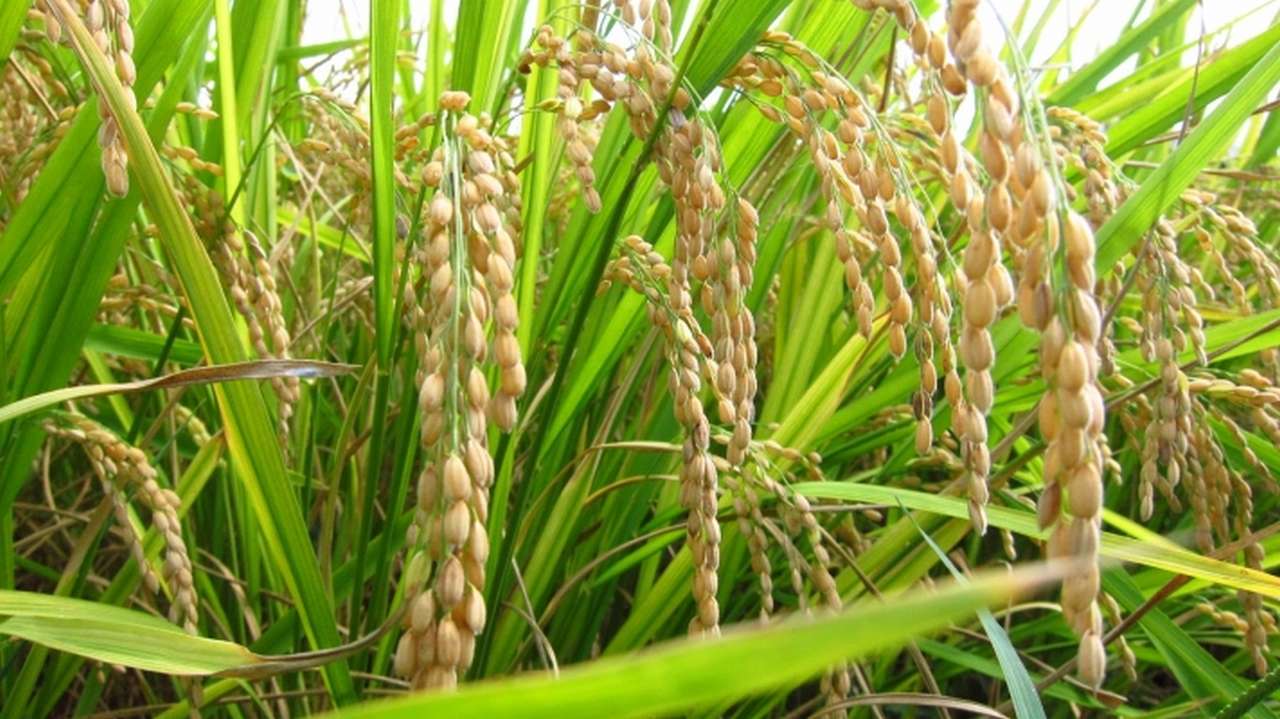
Vietnam - Summer-autumn rice crop suffers from widespread grain loss, and lessons learned from adapting to climate change.
This year's summer-autumn rice crop has severely impacted the yield and income of farmers in many localities, with over 6,000 hectares of rice suffering from empty or partially filled grains.
17.09.2026

Costa Rica invests US$40,000 in onion drying infrastructure
Costa Rica's Ministry of Agriculture and Livestock (MAG) has announced an investment of approximately US$40,000 in post-harvest infrastructure for onion growers in Tierra Blanca, Cartago.
16.09.2026
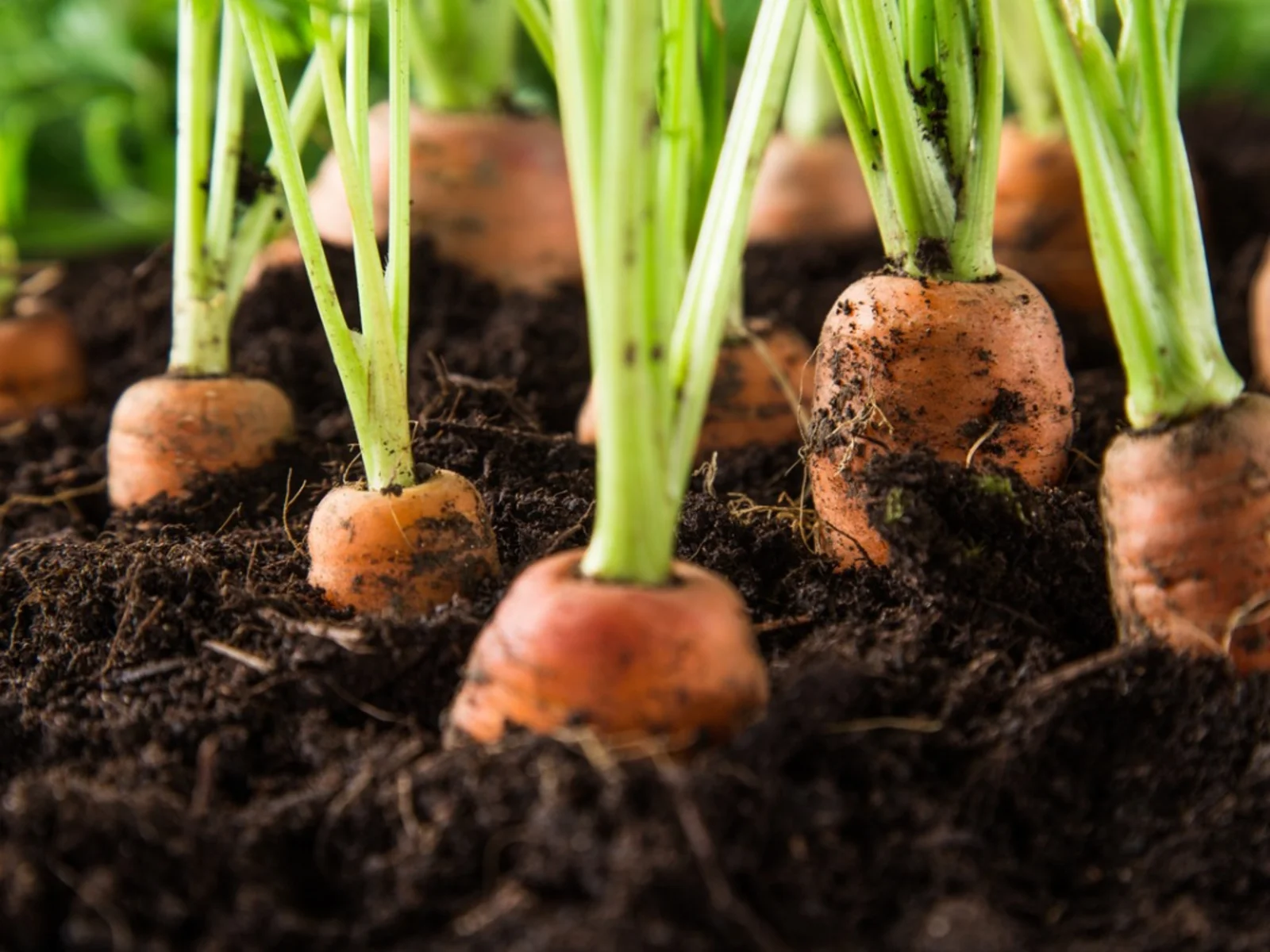
Ukraine vegetable grower builds 7,000-tonne storage facility
PAP Agroinvest in Ukraine's Ternopil region is investing more than UAH 150 million (€3.2 million) in a new vegetable storage facility with a capacity of 7,000 tonnes.
16.09.2026

USA - Skysense Deploys Autonomous Drone Solution to Curb Wildlife and Crop Loss
Protect the yield. Start any conversation in fresh produce this way, and people are immediately on the same page.
