During a cold snap, we add extra layers of clothing to combat the cold but for farmers, the frigid temperatures mean potentially million dollars in crop losses.

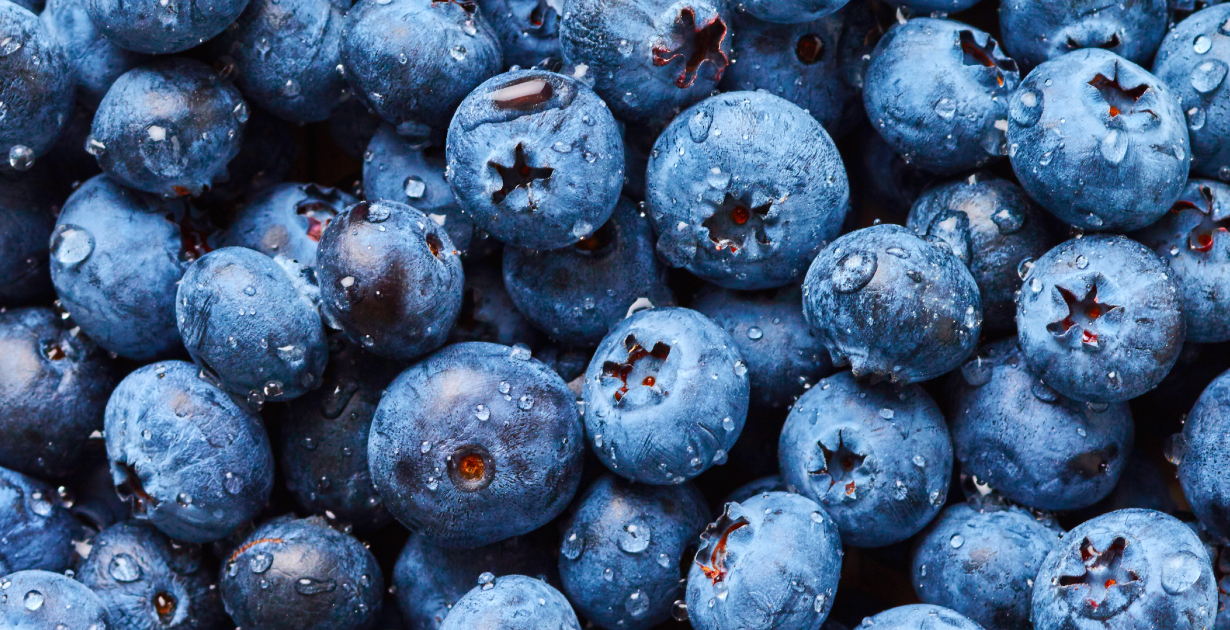
Such is the case at Winner’s Circle Blueberries in Sampson County.
Owner Bill Augustine hasn’t slept in several nights because he and his crew are working in the dark, pumping water onto his 800 acres of prized blueberry bushes.
“It’s really a lot of drama and a lot of aggravation to this,” said Augustine, who has a lot at stake. Winner’s Circle is the largest single family owned blueberry farm on the east coast.
“I’ve been doing this for nearly 50 years," he said. “I started farming blueberries in New Jersey, and it was easy there. The crop was automatic.”
That isn’t the case in southeastern North Carolina, where roller coaster temps are common.
“For the past five years, the weather has been terrible, freezes every year, rain during harvest season last year, four weeks of bad pollination weather, and then hurricanes,” Augustine said.
Last year, weather cost Winner’s Circle about 40 percent of its crop. Augustine said he can’t stand to lose that this season.
Walking onto the sprawling farm, it’s almost like a scene from a military operation. Helicopters whirl overhead, and tractors carrying propane tanks pumping warm air trudge through the rows of crops.
“What we are doing now is pumping water on the bushes at night for insulation, literally freezing the crop to insulate the baby blueberries,” Augustine said.
During the day, he keeps the water pumping to make sure the bushes say above 35 degrees while also flying over head with a helicopter.
“The helicopter flies around for eight hours during the process," Augustine explained. "He is trying to push warm air down from an inversion layer that we are told is above us about 60 to 80 feet.”
It’s a combination of ground and air support that hopes to find the right amount of heat to salvage the fragile blooms.
“We can’t let the plant go below 22 degrees or we lose everything,” Augustine said. “You basically have to be an engineer to raise blueberries. It’s so crazy with the weather.”
This nightly regimen costs Augustine around $25,000 a night.
“The investment is astronomical," he said. "This crop right here is worth anywhere from $2-6 million.”

Battling the frigid temps is not only for Augustine’s livelihood, but also the pressure to get his prized blueberries on your table is also there.
“I go to stores not only in the state but in Florida, Georgia, New York, New Jersey, and Canada," he said. “Not only do they all know my business, they know I raise a big fat blueberry, and that’s what people want to eat.”
To supplement his income just in case there is crop loss, Augustine has about 100 acres of blueberries in bloom in a warehouse.
“I am the only one in North Carolina doing this," he said. "I am in direct competition with Florida to get this early harvest out first.”
Augustine hopes to salvage what he can from the crops in the next 60-75 days.
North Carolina is the sixth-largest producer of blueberries in the nation.
Source - http://www.wect.com