

USA - Crops in 2019 may be affected
18.03.2019 922 views
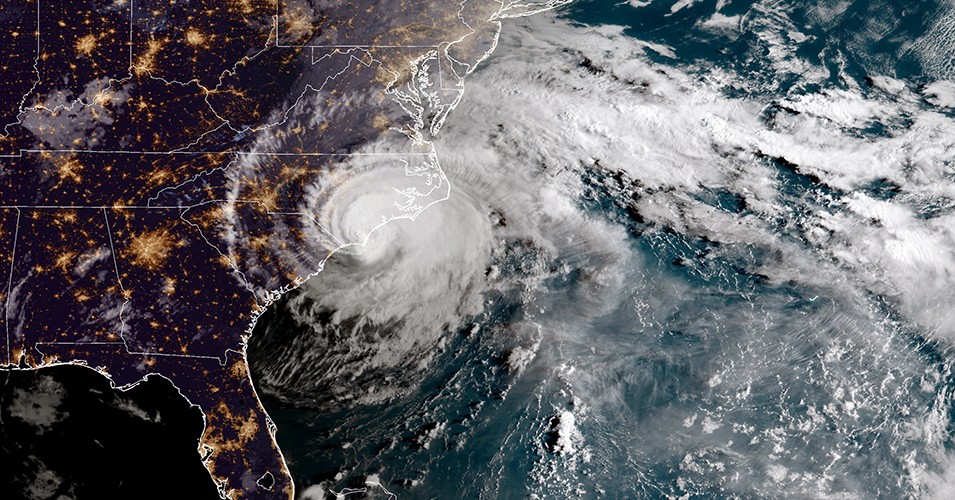
Bladen County farmers experienced the impact of Hurricane Florence in the loss of crops, with farmers losing out from both storm related damage to an inability to harvest crops.
“The majority of the damage was to crops,” Bruce McLean, an agriculture extension agent, wrote in an email. “This was felt by all farmers across all of the different commodities.”
Some farmers had complete losses of everything in the field.
“Tobacco foliage plant turned brown or black from the wind damage,” he wrote.
Most corn was harvested prior to the hurricane, but anything that was in the field had heavy wind damage from being blown over. The peanut farmers on heavy land sustained a lot of losses from the ground being saturated.
”Peanuts have a definite harvest window,” McLean said. “If the farmer misses that harvest window, they will lose peanuts because the peanut cannot hold on to the vine, and will be lost during the harvest process.”
The problems were similar for soybeans as well. Drowning and flooding, winds and moisture wreaked havoc.
“Pretty much, most all soybeans had quality issues,” McLean said. “There were shriveled beans, moldy beans, discolored beans and even poor pollination which means lack of beans.”
Most other crops were damaged from the destructive winds or flooding. That flooding made it difficult for farmers to get into plant or harvest, causing significant delays or crops that could not be harvested.
“Perennial crops, like blueberries, blackberries, muscadines and fruit and nut trees experienced a wide variety of conditions and losses,” he said.
The exact extent of the damage is not known; some of the crops may have more losses in fruit production and plants this year.
“Growers and Extension personnel are beginning to see the absence of flower buds on many of these plants due to Hurricane Florence,” McLean wrote in the email. “Unfortunately, local fruit may be in shorter-than-usual supply this year.”
McLean stresses that no matter the crop, one issue that everyone will experience is reduced fertility. Excessive rain washes nutrients out of the soil.
”Many of our soil nutrients have been pushed out of our soils because of the excessive rain,” he said.
This causes lower soil pH from the loss of calcium and magnesium, plus lower potassium. The water-caused erosion also took away surface organic matter, “likely lower micronutrients, and even lower available phosphorus due to lower soil microbial populations.”
“This means the farmers will have to apply more fertilizer and lime,” he said, adding that it would be an additional cost.
“Farmers don’t want to hear that,” he said, “because this additional cost may be the difference of a crop being profitable or not, due to low commodity prices.”
Right now the Extension Office is recommending that everyone, both farmers and homeowners alike, take soil samples and have them tested to see what nutrients they will need to apply to meet the nutrient needs of their crop and landscape.
McLean says that unfortunately, the only program that is available for farmers at the current time is the Pasture Renovation Seed Initiative, which provides seed for summer annuals and summer perennials to eligible growers who had pastures and hayfields that were negatively impacted by the hurricane. The deadline for this program is Sunday.
Source - https://www.bladenjournal.com
EVENTS

ScaleAgData Stakeholder Engagement Event
22.10.2024The ScaleAgData project is pleased to invite you to our second stakeholder event. Building on the discussions and connections formed during our first webinar, this event will focus on fostering collaboration among stakeholders, providing updates on our project’s progress, and outlining future opportunities for engagement.
RISK EVENTS

Moldova - May frosts caused heavy damage to fruit orchards
10.05.2026The first frosty nights of May have significantly worsened estimates of damage to Moldova's fruit sector from spring frosts. According to initial assessments by fruit market operators, between a quarter and a third of the country's total orchard area was seriously affected.
25.06.2026
USA - USDA Highlights Growing Use of Supplemental Crop Insurance Coverage
USDA Conservation Secretary Richard Fordyce says enhanced risk management tools are helping farmers strengthen their safety net.
25.06.2026
India - Mysuru DC orders complete crop survey amid drought concerns
With concerns over a possible drought looming over the district, Deputy Commissioner G Lakshmikanth Reddy has directed officials to ensure 100 per cent coverage of the monsoon crop survey scheduled to begin on July 1, stressing that no farmer should be left out of relief and insurance benefits.
25.06.2026

USA - Hood College Receives Research Grant Targeting Invasive Fly Species Responsible for Over $700M in Agricultural Damage
The Hood College Department of Biology has received a $19,998 grant from the U.S. Department of Agriculture to conduct research on natural predators of the invasive Spotted-Wing Drosophila fly.
25.06.2026
China - Public unwillingness to purchase flood insurance contributes to protection gap
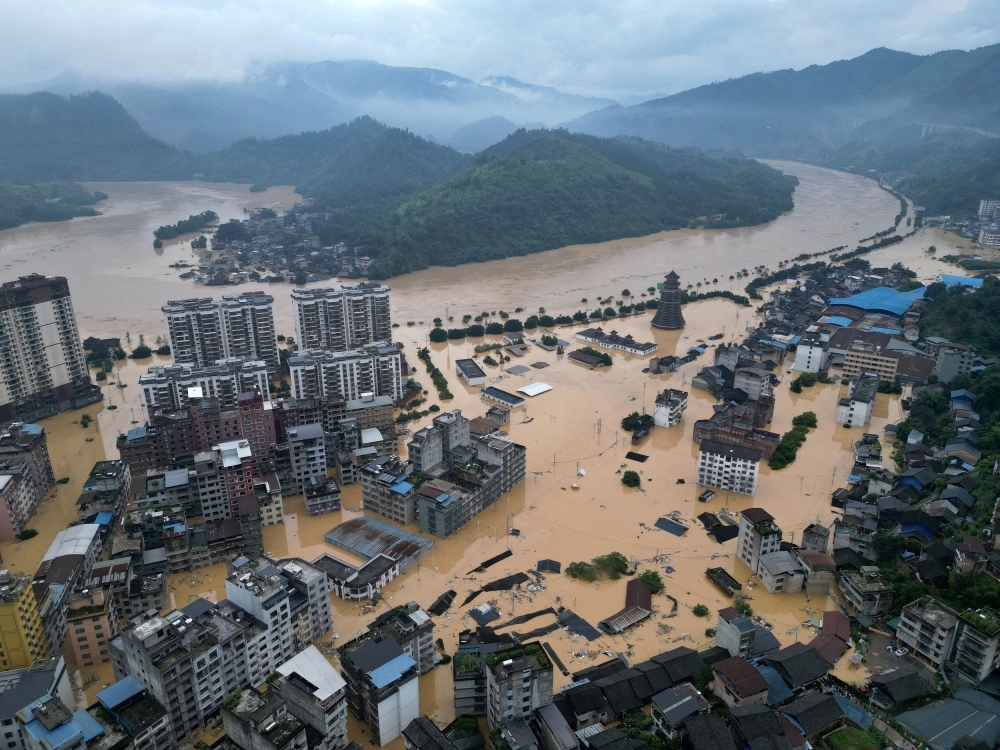
In May 2026, southern and central China experienced exceptionally heavy rainfall, which triggered widespread flooding, and caused multiple fatalities and displacement of tens of thousands of people.
25.06.2026

India - Maha govt crackdown on Konkan forest fires, Jalgaon's fake crop insurance fraudsters
Maharashtra Forest Minister, Ganesh Naik, on Thursday addressed the rising concern of forest fires in the Konkan region, attributing them largely to a lack of public awareness and deep-rooted misconceptions among local farmers.
25.06.2026

Azerbaijan - Progress in agricultural insurance made
Coverage of agricultural insurance is expanding in Azerbaijan, and its minister noted that progress has been made.
24.06.2026

USA - White House Seeks $11 Billion More Aid for Farmers
The White House is asking Congress for more than $11 billion in additional farm assistance, including new economic support for 2026 row and specialty crop producers and disaster aid tied to losses from the Southeast freeze.
24.06.2026

Nigerian farmers urged to embrace agricultural insurance
The Managing Director of the Nigeria Agricultural Insurance Corporation (NAIC), Hon. Yazid Shehu Danfulani, has called on farmers, agribusiness owners, and stakeholders across the agricultural value chain to take advantage of agricultural insurance schemes designed to protect their investments and strengthen the nation’s agricultural sector.
