While the first quarter of the year typically presents sourcing challenges on bananas due to seasonal weather conditions, 2025 has been particularly difficult.
"Especially in Central America, because of La Niña and unusually cold weather. We expect supply conditions to normalize starting in Q2 2025," says Juan Alarcon, CEO of Fyffes North America, adding that weather is just one of the challenges the banana industry is contending with. "Extreme weather events—such as droughts, floods, and cold fronts—can significantly impact production and disrupt supply chains."
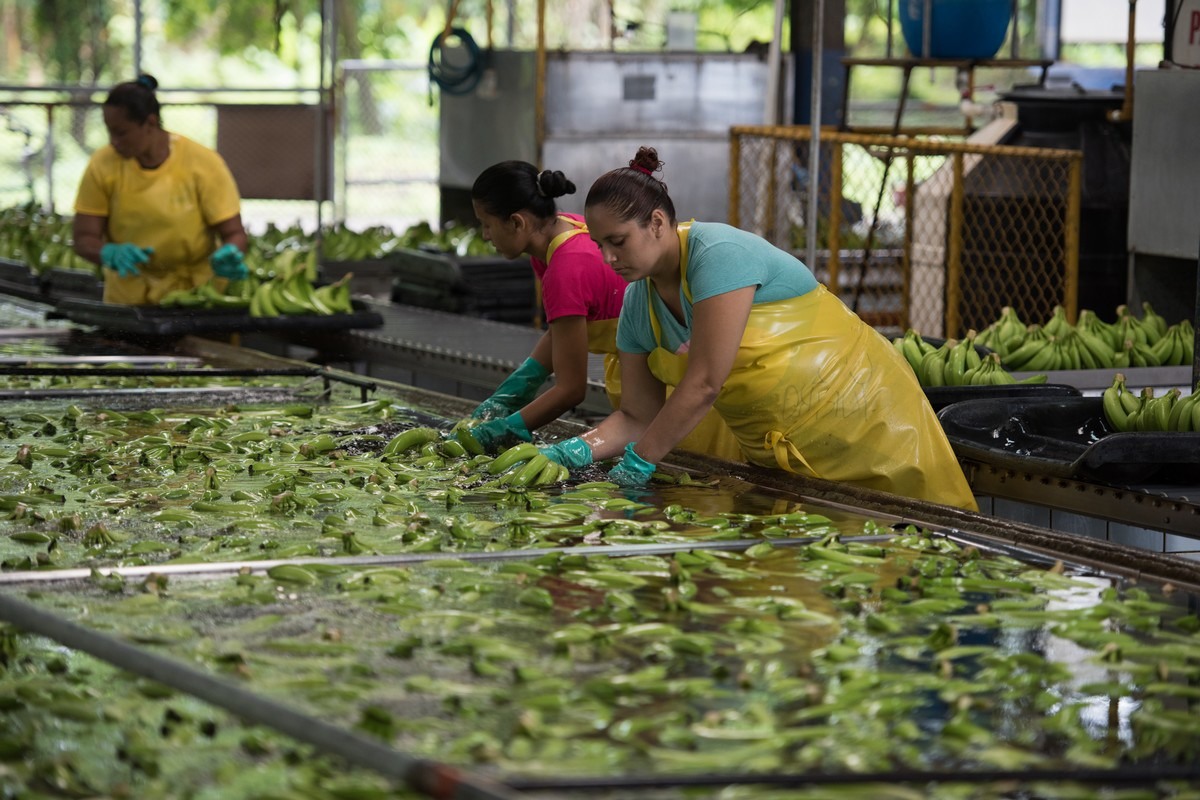
As for 2025's production, it is to date lower compared to last year at this time, particularly in Central America which is the largest supplier of bananas to the North American market. Fyffes sources from multiple countries including Costa Rica, Colombia, Guatemala, Nicaragua, Honduras, and Ecuador to keep supply continuous in the face of many issues. "The ongoing threat of plantation diseases remains a critical issue, requiring continuous research and preventative measures to protect yields. Logistics challenges, including transportation disruptions and port congestion, further add complexity to the supply chain," says Alarcon.
Concerns over costs
Another point of contention is costs, which have also increased over last year in sourcing bananas. "This is driven by rising labor costs and exchange rate fluctuations," says Alarcon. "Currently, spot prices in tropical regions are very high due to strong demand and limited fruit availability."
That said, pricing in the U.S. has not increased, largely because the fruit remains a staple, affordable option for American consumers.
Meanwhile, demand is strong for both conventional and organic bananas. However, the demand for organic bananas is significantly higher than expected. "As we move into 2025, we anticipate a continued rise in consumer demand, driven by a growing emphasis on health, well-being, and sustainability. This trend suggests that interest in bananas—particularly organic varieties—will remain strong," says Alarcon, adding that challenges in the output of local crops, primarily due to labor availability issues, could further push demand for bananas.
Bananas are a gateway to organic
In fact, that demand for organic produce in the U.S. continues to grow and bananas are emerging as a key entry point into the organic category thanks to the fruit's accessibility and affordability. "Retailers and suppliers who expand their organic banana offerings will be well-positioned to capitalize on this growing market," says Alarcon.
Along with that expanding interest in organic product, consumers are also increasingly interested in sustainable products which means there's an opportunity to further educate consumers on sustainability and the steps companies are taking to minimize environmental impact while supporting employees, growers, and communities. Fyffes for example collaborates with organizations such as FairTrade and Fair Trade International to enhance social responsibility in the industry. "These partnerships help ensure fair wages, improve working conditions, and provide critical support to farming communities, reinforcing our commitment to ethical and sustainable practices," says Alarcon. "Today's competitive market offers consumers an abundance of choice in healthy and natural products. To stay top of mind, we must remain actively engaged with our audience, continuously strengthening our connection through innovation, communication, and alignment with their evolving preferences."
Source - https://www.freshplaza.com