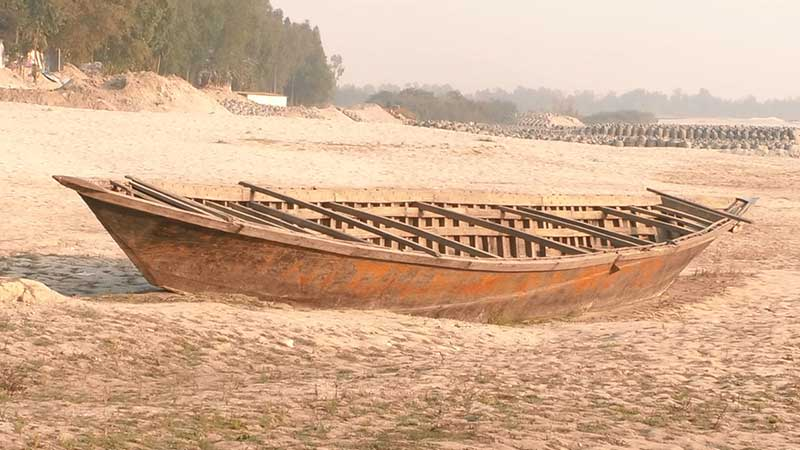
Experts blame climate impacts and silting for reducing river capacity. The situation threatens a severe irrigation crisis, with knock-on effects for agriculture and local biodiversity.
The northern border district of Kurigram is crisscrossed by 16 rivers including the Brahmaputra, Dharla, Teesta and Dudhkumar. Its nine upazilas also contain more than 200 canals and beels. With the dry season barely begun, the rivers, canals and beels are already drying up in the district.
Experts blame climate impacts and silting for reducing river capacity. The situation threatens a severe irrigation crisis, with knock-on effects for agriculture and local biodiversity. Officials and experts warn that the crisis could become prolonged without swift action to maintain river flow.
Kurigram is Bangladesh’s largest riverine district. Farmers in the agriculture-dependent region rely heavily on river water for crops. The pattern is stark: rivers run full for four months (Asharh to Ashwin), are at moderate levels for two (Kartik and Agrahayan), and drop to knee-depth for the remaining six (Poush to Joistho). Climate change is now affecting both production and biodiversity. Despite years of this recurring pattern, locals allege that authorities have taken few steps to retain water in the rivers.
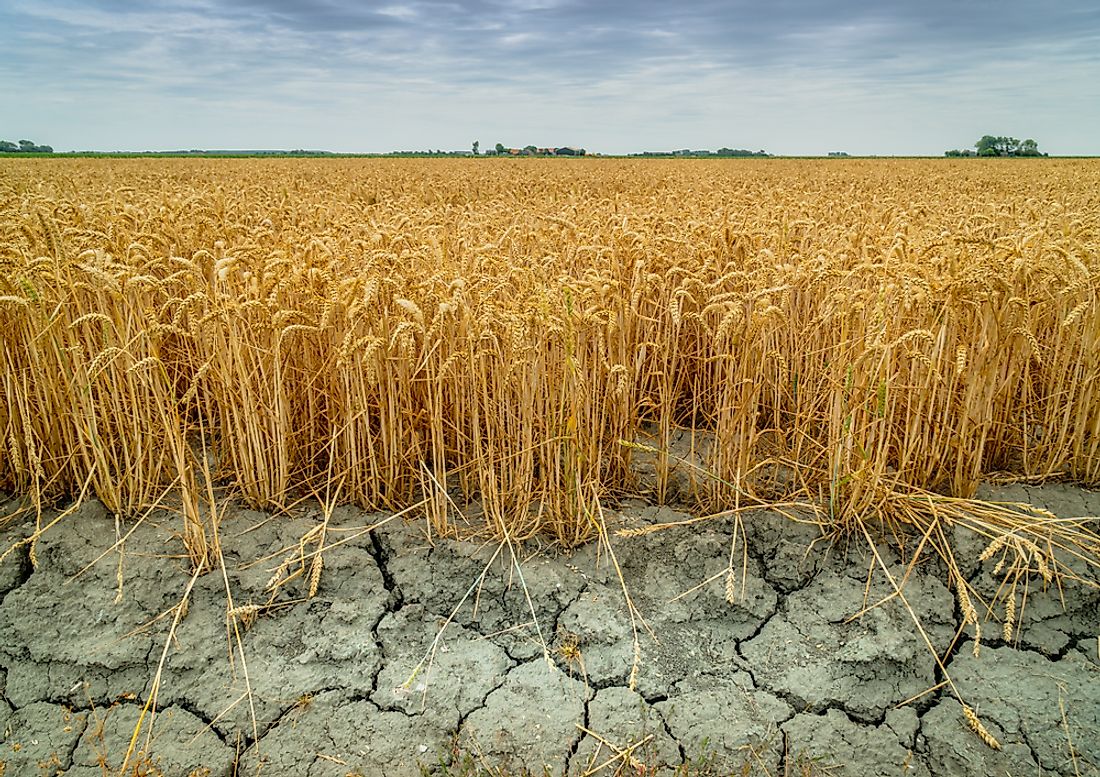
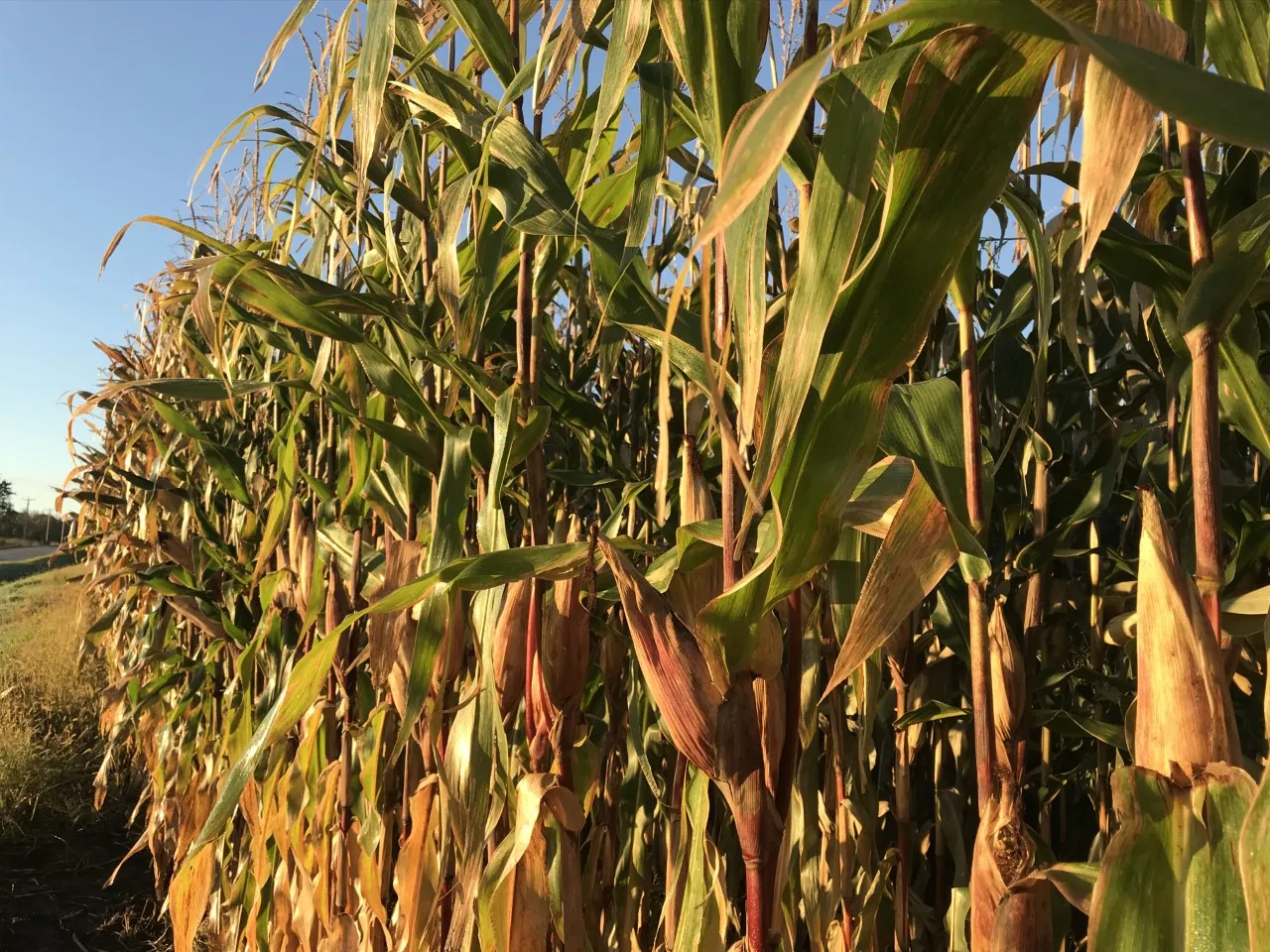
Moksen Ali, a local farmer from the Dharla river basin in Sadar upazila, said the dry-season shortage forces them to rely on deep tube-wells to irrigate maize, boro rice and other crops. “If the river held water, we could pump from it at much lower cost,” he added.
Jobed Ali, a farmer from Burirhat in Rajarhat upazila, said the Teesta is dry. Even fields along its banks now need deep tube-well irrigation. “If there were water in the river, shallow pumps would suffice. Having water year-round would make a big difference to farming,” he said.
Abdullah Al Mamun, deputy director of the Kurigram agricultural extension department (DAE), said the district saw no significant flooding last year, leaving farmland in the river basins with little silt. Rivers have been running dry almost as soon as the monsoon ends. He noted that farmers in the char areas now rely on deep tube-well water where they once channelled river water through pipes to irrigate fields.
On-site observations confirm the scale of the problem. Most riverbeds are dry with a narrow canal here and there holds stagnant water. But there is no flow. Vast sandy chars stretch across the riverbeds. More than 200 canals and beels alongside the main rivers have also dried up, forcing farmers to depend on artificial irrigation. Fish have vanished. This shift is a livelihood crisis for communities reliant on the rivers.
Abdur Rahman, a resident of Dharlapar, said, “Fifteen or twenty years ago, the Dharla had a continuous flow even in the dry season. But gradually that flow stopped. The riverbed has narrowed to something like a small canal. Even where a little water remains, it doesn’t flow. There are no fish, and we can’t use this water for farming either.”
Kurigram is one of the country’s most erosion-prone districts. Each monsoon, rain and upstream runoff trigger fresh erosion along the Brahmaputra, Dharla, Teesta and Dudhkumar, which flow through all nine upazilas. Over the past six years, at least 15,000 families have lost their houses to river erosion. Seventy percent of those displaced have resettled on newly emerged chars within the rivers. The remaining 30 percent have moved to higher ground or migrated to other districts such as Dhaka in search of work. For residents of more than 400 chars, survival is a prolonged struggle against natural disaster.
Local resident Kalam Mia of Kalirpath in Rajarhat upazila described the Teesta’s transformation. “Teesta has no water as soon as the monsoon ends,” he said. “Then when the rains return, the water comes rushing down from upstream and our homes and croplands are washed away. At the start of the dry season, people are now cultivating on the riverbed itself. It was not always like this.”
Silting has created a double bind: during the monsoon, homes and crops are damaged by surges from upstream; in the dry season, the rivers run dry. Local environmental activists say the cycle can be broken only by securing a rightful share of water and ensuring perennial flow to protect biodiversity and shield livelihoods from climate impacts.
Md Rashid Ali is the chairman of Green Village, an organisation working on climate and the environment. Speaking to Bonik Barta, he said: “Our rivers flow from India. Because India withholds water during the dry season by building dams upstream and using other strategies in contravention of international law, our rivers run dry. Many species of birds and fish are vanishing. The uninterrupted flow of rivers shouldn’t be obstructed anywhere. The rivers would have a continuous flow all year round if that principle were implemented.”
On the broader situation, Md Rakibul Hasan, executive engineer of the Kurigram Water Development Board, said, “Plans are underway to dredge the rivers and construct downstream structures to retain water. Such a plan is slated for implementation on the Teesta.”
Source - https://en.bonikbarta.com