The news came as a surprise to insurance companies. It is estimated that R$65 million that had already been contracted to subsidize 10,000 policies will have to be removed from the system. The issue has already been discussed in a meeting with technicians from the Ministry of Agriculture.
The situation is considered bad for the entire segment (producers, insurers and brokers) and raises the alarm about the unpredictability and vulnerability in future contracts. In 2025, the PSR budget, still undefined since the Annual Budget Law has not been voted on, could also be subject to cuts.
Glaucio Toyama, president of the Rural Insurance Commission of the National Federation of General Insurance (FenSeg) said that the situation is “unprecedented and of great impact” for the rural insurance sector.
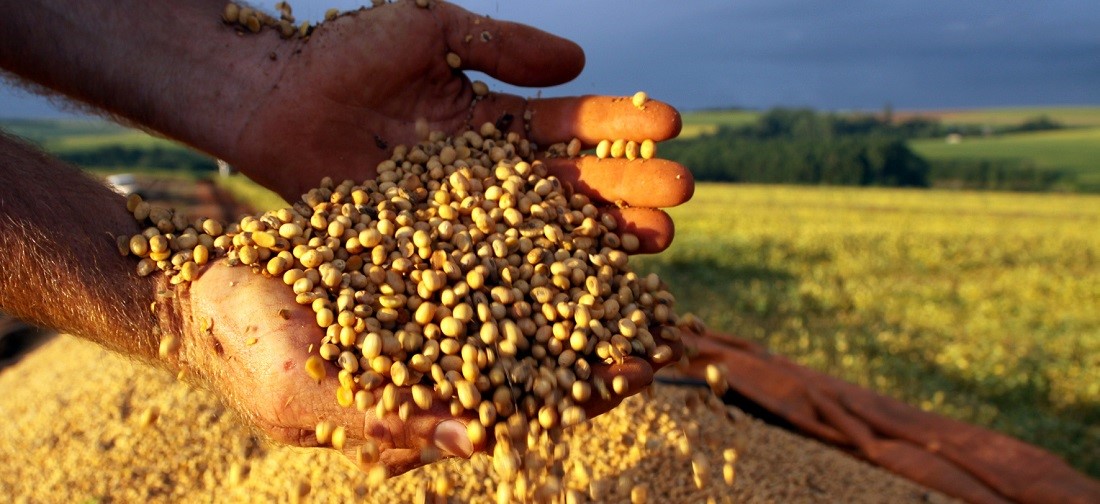
According to him, soybean cultivation, which accounts for the majority of policies, was the most impacted. Toyama explained that affected producers will be called by their brokers to discuss the payment and coverage situation.
The percentage of subsidies for rural insurance premiums for soybeans is generally 20%. To ensure coverage, farmers will have to cover the difference, which would be paid by the government before harvesting.
FenSeg's Rural Insurance Commission held an emergency meeting on January 2 to discuss the matter. The sector is still seeking a solution to the imbroglio caused by the last-minute cut.
In August 2024, the Minister of Agriculture, Carlos Fávaro, confirmed that around R$50 million would be cut from the PSR, an amount that was blocked. Later, there were signs that part of the resource would be released, but this did not materialize.
In November 2024, insurers estimated that policies would be sold with a demand for R$890 million in subsidies. The FenSeg committee sent a letter to the federal government to demand the release of R$52.9 million from the PSR budget and request a supplement of almost R$200 million. The news about the cut arrived only on the last day of 2024, after the policies had already been contracted by producers.
“The immediate situation is complex and creates great uncertainty about the future scenario for the entire segment involved, including producers, financiers, brokers and insurers,” said Toyama. “It is essential to highlight that the greatest loss falls on the rural producer, who is the one who suffers the most from this situation,” he added.
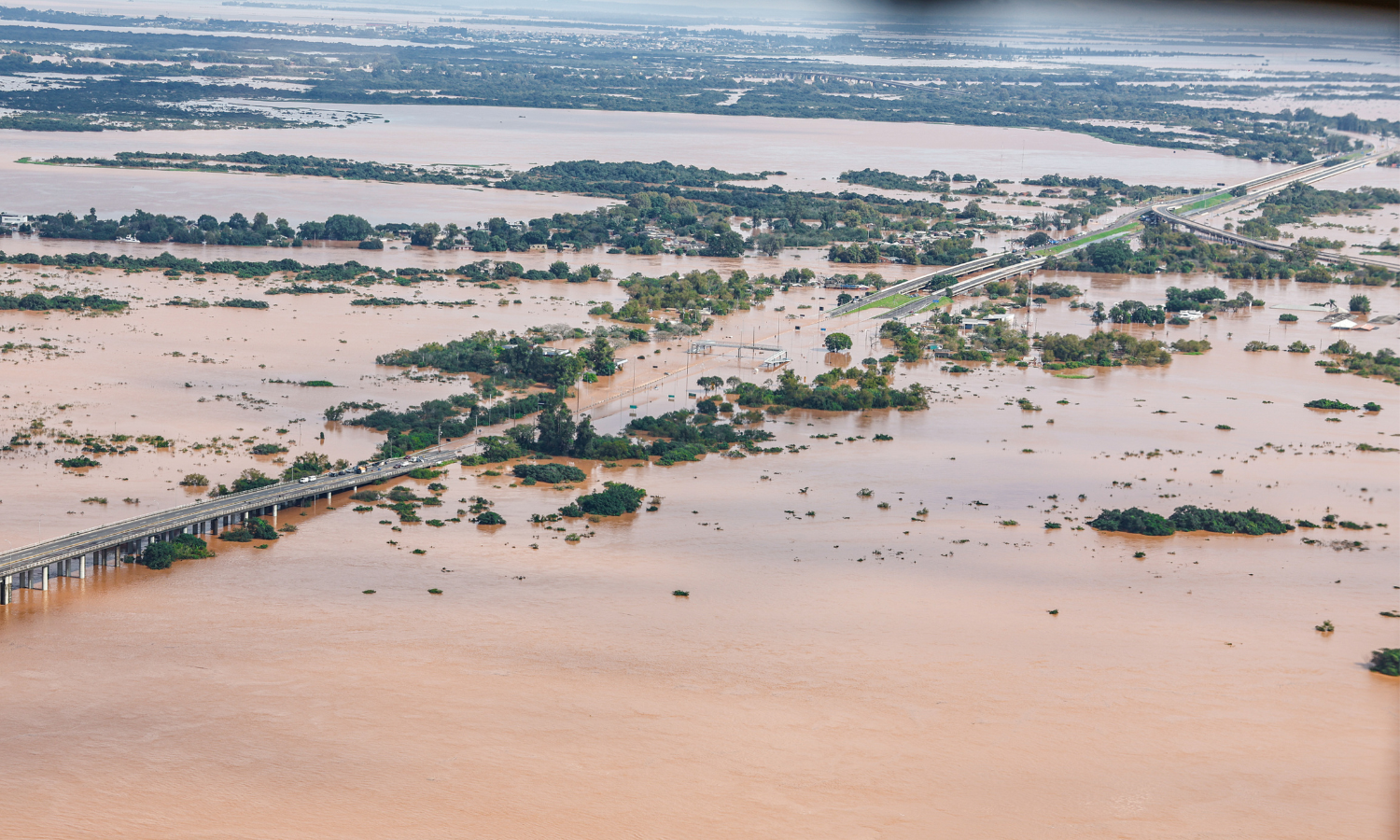
Friday's resolution also shows that of the additional R$210.8 million, released via extraordinary credit for exclusive application in Rio Grande do Sul after the climate catastrophe in the State, only R$184.2 million was used.
There was no demand to fully use the R$210.8 million, a government source said.
In total, the PSR applied R$1.004 billion in subsidies to the prize, considering ordinary values and the additional credit for Rio Grande do Sul.
The amount was above the R$933.1 million in 2023, when considering the extraordinary resources for the people of Rio Grande do Sul, but below the initial forecast. In July, when the supplement was announced, the expectation was to move R$1.158 billion.
When comparing the ordinary value, without the additional amount for Rio Grande do Sul, there was a 12% drop, from R$933.1 million to R$820.2 million — the lowest PSR value since 2019, when it was R$440.3 million. After that, R$881 million were invested in 2020, R$1.181 billion in 2021 and R$1.109 billion in 2022.
Data on the number of policies contracted, area and insured values have not yet been released.
The former director of the Risk Management Department of the Ministry of Agriculture, Jônatas Pulquério, said that the PSR faced a challenging scenario in 2024, mainly due to the floods in Rio Grande do Sul, which demanded extra support from the people of Rio Grande do Sul.
“Despite having been guaranteed in a non-contingent manner, demand was below expectations, possibly due to factors such as the complexity of accessing the benefit or the limited scope of damages in some regions,” he said.
“These results show that, although the PSR is a fundamental public policy, there are still challenges to overcome to increase its effectiveness,” he added. According to him, the topic will be analyzed by the Thematic Chamber of Agricultural Risk Management of the Ministry of Agriculture.
Sourcer - Globo Rural