A severe weather outbreak across 29 rural municipalities is set to drive a wave of home, auto and crop insurance claims.
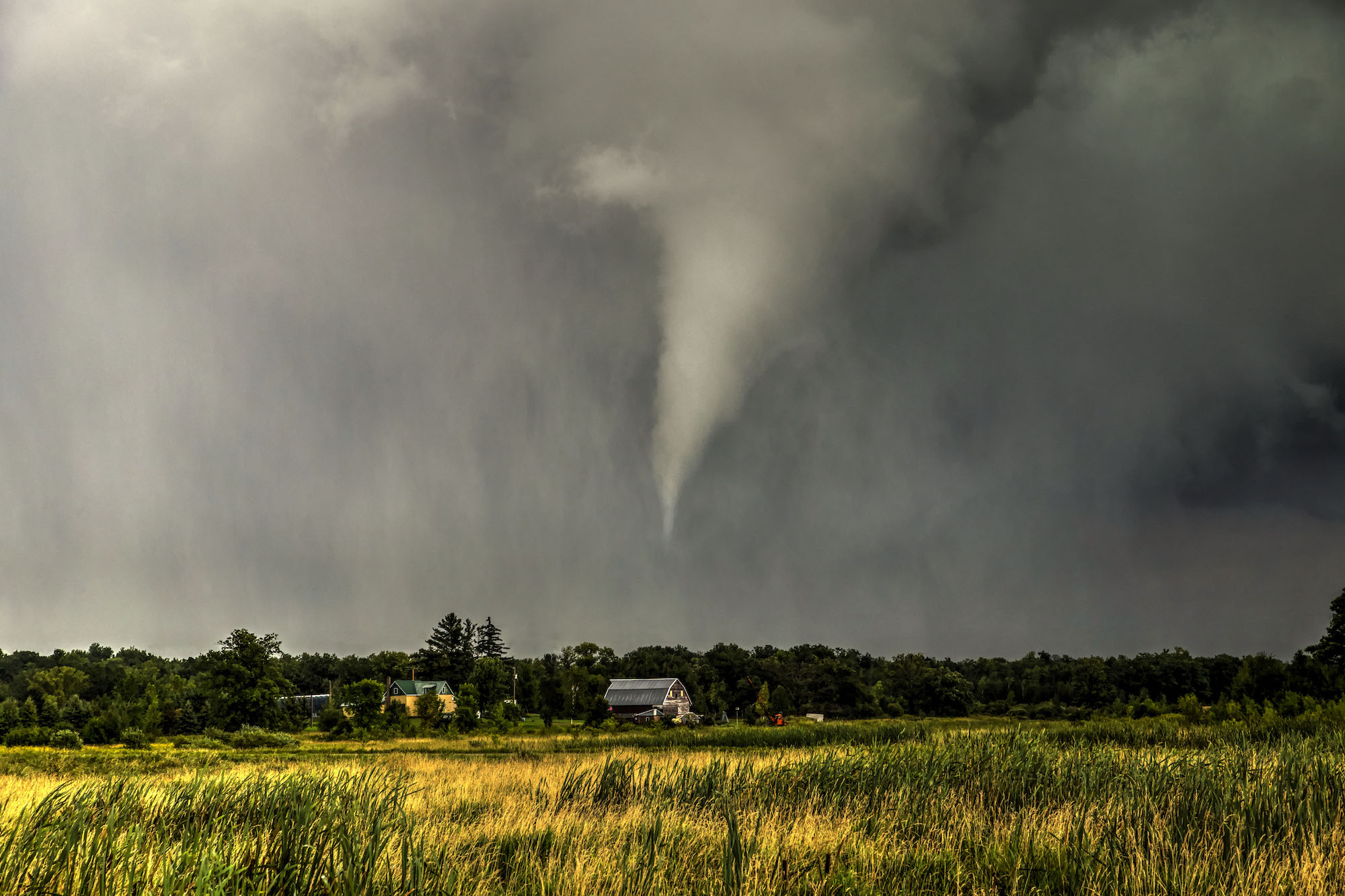
Southeast Saskatchewan has been hit by a severe weather outbreak, with Environment Canada issuing tornado warnings across a broad swath of the province on Sunday evening and warning that conditions remain "very dangerous and potentially life-threatening."
For the second straight day, Environment Canada issued an orange-level tornado watch on June 7, affecting communities in 29 rural municipalities including the city of Estevan and the town of Carlyle. Environment Canada warned that multiple thunderstorms would rapidly develop along a stalled front over southeastern Saskatchewan and southwestern Manitoba, with significant severe weather, including tornadoes, described as probable and continuing into the evening hours.
Meteorologists are tracking a dangerous thunderstorm capable of producing damaging wind gusts, loonie to ping pong ball-sized hail and extremely heavy rain, with an intense squall line crossing the international border.
The outbreak follows severe weather on Saturday night in the Carlyle area, approximately two hours southeast of Regina, where Environment Canada meteorologist James Colangelo described the worst conditions as concentrated around Carlyle and Lampman. Estevan recorded the strongest wind gust of 111 km/h, with reports of substantial rainfall and flooding in Carlyle. Separate tornado warnings were in effect on Sunday evening tracking storms near Corning and Alida, moving northeast at between 60 and 75 kilometres per hour and affecting communities across the rural municipalities of Golden West, Hazelwood, Kingsley, Antler, Moose Creek, Moose Mountain, Maryfield, Reciprocity and Walpole, according to reports.
Insurance claims expected to surge
The storm system is expected to generate a significant volume of home, auto and crop insurance claims across the affected region.
The pattern is well established: when hail, wind and flooding strike simultaneously across Prairie communities, insurers are rapidly inundated. When a severe hail storm struck Saskatchewan in August 2025, the CEO of Municipal Hail Insurance reported receiving hundreds of claims within hours of the event, estimating the final tally would reach between 500 and 1,000 claims and describing it as the most costly storm of the year.
The broader Prairie insurance market has been under sustained pressure from severe weather. Summer storms in 2025 drove wildfires and hailstorms in Western Canada to a combined total of approximately $725 million in insured damage, with confirmed tornadoes recorded in both Alberta and Saskatchewan affecting communities including Radisson, Langham and North Battleford.
That figure sits within a decade of escalating losses. Between 2016 and 2025, annual insured losses from catastrophic weather events and wildfires across Canada totalled $37 billion, nearly triple the figure recorded in the previous decade, with the average number of claims almost doubling over the same period. The record was set in 2024, when insured catastrophe losses reached $9.4 billion nationally.
The IBC has advised staying in contact with insurance representatives throughout the recovery process and reviewing home, auto and business policies to confirm coverage for severe weather events including wind, hail and flood damage. Colangelo advised anyone travelling in southeast Saskatchewan and southwest Manitoba to monitor updated weather forecasts and any watches or warnings as conditions continued to develop.
Source - https://www.insurancebusinessmag.com