Pellets from waste wool may be a new revenue stream for sheep farmers, while offering a sustainable soil amendment for horticulture.
Sheep farmers in Manitoba are looking beyond yarn to grow new markets for their wool. They want in on the fertilizer and soil amendment sector.
Rather than being processed into textiles — a picky market, and one with significant processing bottlenecks for Prairie producers — one Manitoba sheep farmer is turning low-value waste wool into high return, sustainable fertilizer pellets that could help less renewable peat moss stretch farther.
WHY IT MATTERS: Shearing is an animal welfare necessity for sheep farmers, but Manitoba’s typically meat-focused sector has faced issues such as the lack of processing capacity when it comes to selling that wool.
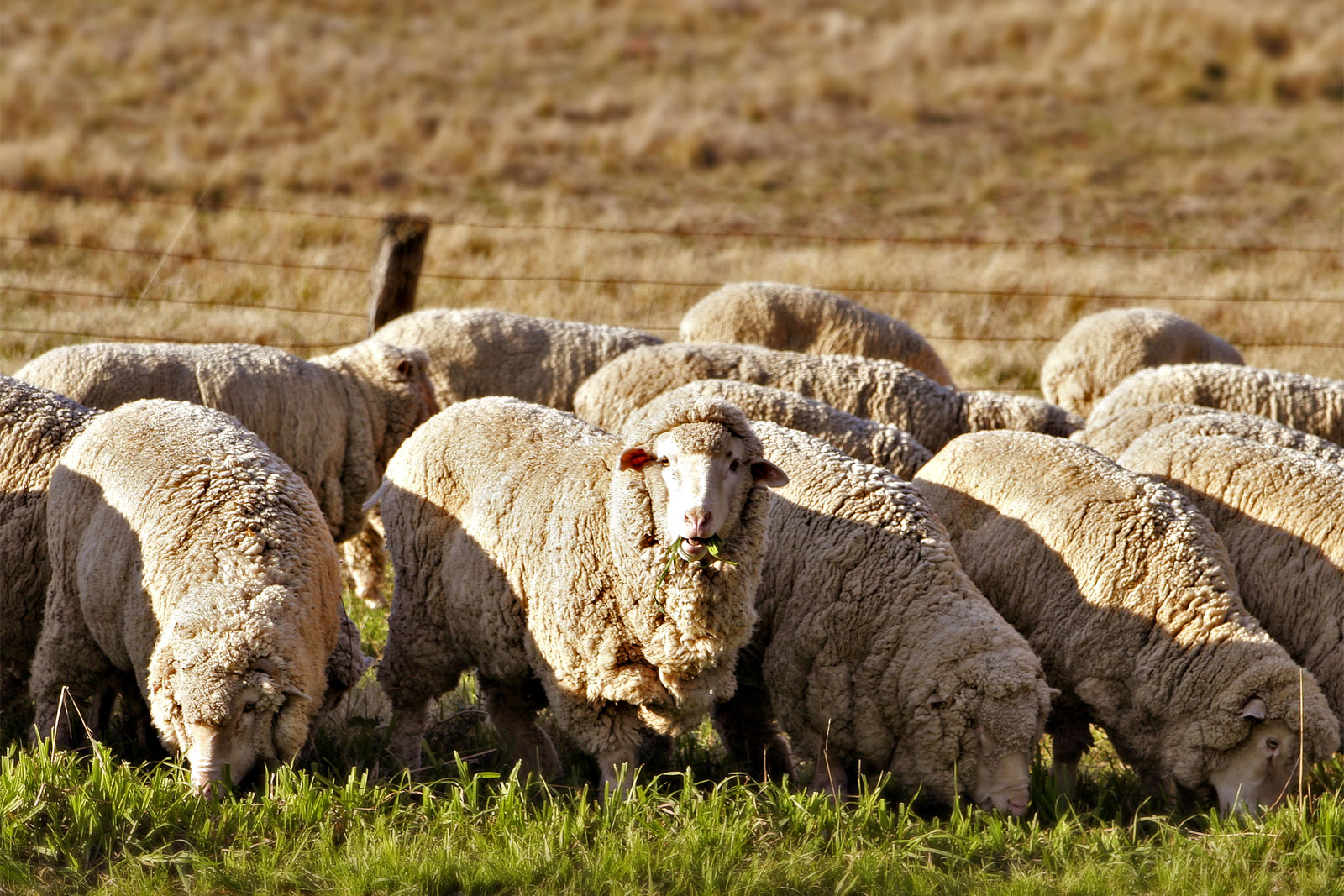
Anna Hunter, who operates a sheep farm and wool mill in eastern Manitoba, as well as writing two books on Canada’s wool industry, raises Shetland sheep primarily for wool. Hunter’s wool pellet initiative started when she began looking for ways to reduce waste.
“It started for us with just an overwhelming amount of waste wool,” she said.
In 2022, Hunter worked with an engineer in the United States to add a small-scale pelletizer to her operation.
More accessible wool market
Hunter believes wool pellets offer a practical solution for farmers facing low commodity prices for wool.
Wool is not the typical focus for many sheep farms in Manitoba, many of which rely more on the sector’s meat stream. While there have been national efforts to revitalize wool and build more capacity for value-added processing in Canada, many of those efforts have looked to Eastern Canada.
However, pellets don’t require the same kind of processing wool must go through to be fit for textiles.
“We don’t have to do the scouring or the cleaning of wool,” Hunter said. “In fact, the dirtier the wool, the more effective it is for fertilizer.”
Higher returns for farmers
Hunter’s mill currently pays $1 per pound for waste wool, three or four times higher than what farmers are making on the commodity market.
Statistics Canada reported the average price paid to Canadian wool producers in 2023 was $0.35 per kilogram, a steep decline tied to global oversupply of wool. Historical trends shows wool prices dropping over time. In 2022, the average price Canadian producers received was about $0.38/kg.
“So, it’s already providing a bigger return on investment for sheep farmers,” Hunter said.
Wool pellets also benefit the environment by returning nutrients — including nitrogen, potassium, carbon, zinc, phosphorus and sulphur — back to the soil, she argued.
“It’s recycling them,” Hunter said, adding that the process also reduces carbon emissions because wool isn’t being shipped overseas to the global commodity market. It’s processed regionally.
Research shows growth advantages
Local agriculture research is also interested in the agricultural applications of wool pellets. Poonam Singh, a researcher at Assiniboine College, has been studying the nutrient benefits and moisture retention of wool pellets in her horticultural trials.
Most of the time, organic matter in a growing medium decomposes very fast. But because wool is made of keratin, just like hair, it’s more stable, Singh said.
“It retains good moisture, as well, so that also does help with reducing the watering needs for plants.”
Most of the time, organic matter in a growing medium decomposes very fast. But because wool is made of keratin, just like hair, it’s more stable, Singh said.
“It retains good moisture, as well, so that also does help with reducing the watering needs for plants.”
Her trials have shown that wool pellets can support plant growth even without traditional fertilizers. One experiment grew plants in plain peat with 200 parts per million (ppm) of nitrogen every week, which Singh says is a standard horticultural practice. By contrast, she grew plants with wool mixed into the growing medium at five to 10 per cent volume. The results, she added, were “amazing.”
The plants grown with wool instead of fertilizer showed better results for plant growth, plant height, spread, chlorophyll levels, dry weight, and root growth than the peat and fertilizer mixture.
Singh is now expanding her trials to flowering and fruiting crops, such as peppers and strawberries, and continues to analyze the best application rates for different plants.
Future possibilities
One day, Hunter would like to see every municipality in Manitoba using wool pellets in their green and urban spaces.
“It would reduce our reliance on synthetic fertilizers and reduce our irrigation,” Hunter said.
The wider adoption of wool pellets could also incentivize higher-quality wool production in Canada, Hunter believes.
“Once farmers realize that wool is worth something again, they will be incentivized to do a better job of raising a higher quality wool that then might be textile quality, or quality wool for carpets,” she said.
Manitoba’s sheep industry produces roughly 56,000 kg of wool annually, though only a fraction of that, around 5,000 to 6,000 kg, is currently utilized within the province, according to Hunter.
In 2022, Manitoba producers generated about 51,551 kg of wool that was sold or used on farms, according to the Province of Manitoba’s sheep and lamb statistics. That was the bulk of the provincial wool output for that year.
Wool pellets could help capture the value in the rest of that supply, but the market for wool-based products needs to grow alongside processing capacity, Hunter said.
“We’re not going to have people investing millions of dollars into processing infrastructure without proving the marketability, but we can’t prove the marketability without having an affordable product that we can get to market,” she said.
Source - https://www.manitobacooperator.ca/