Egypt weighs expanding desalination of agricultural drainage water to bolster food production

16.11.2025 180 views

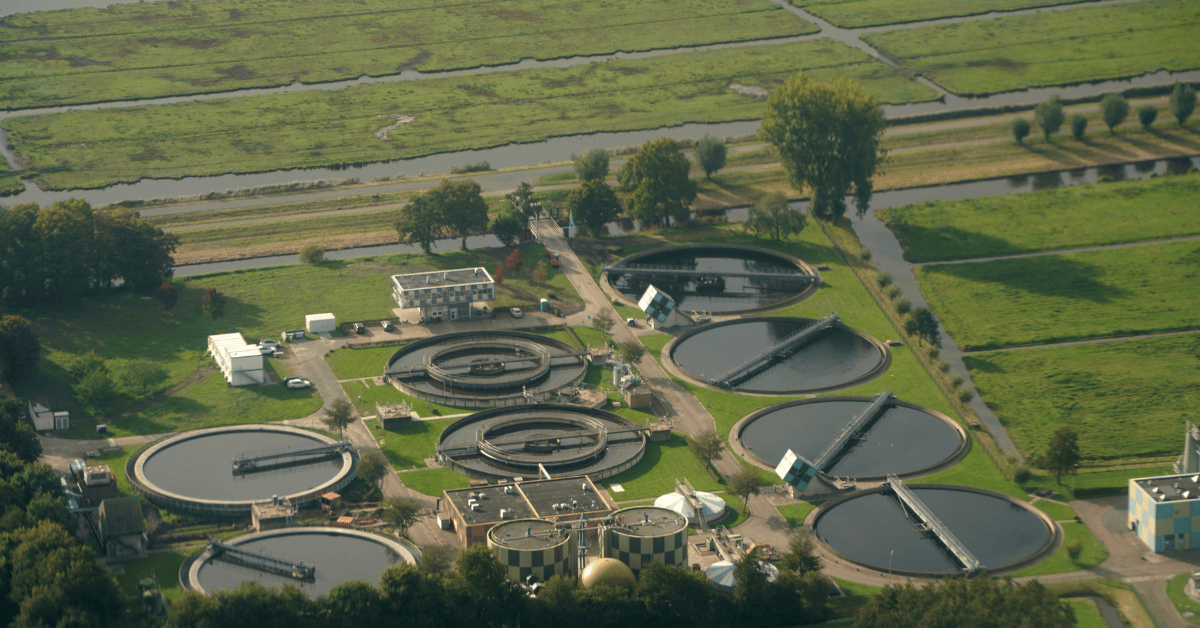
Egypt is examining an expansion of desalination for agricultural drainage water to support intensive food production amid mounting water scarcity, Water Resources and Irrigation Minister Hani Sweilem said on Sunday.

During a meeting with ministry officials to review the terms of reference for a new research study—developed in cooperation with Dutch partners—Sweilem noted that reused agricultural drainage water becomes increasingly saline as it cycles through irrigation networks. This rising salinity, he said, makes desalination essential in many cases.

Egypt is moving toward broader treatment and reuse of agricultural drainage water, but that shift requires detailed assessments of salinity levels across drainage systems, he added. Using desalinated drainage water for high-intensity food production, Sweilem said, aims to improve the economic feasibility of desalination technologies.

Calling desalination for food production “one of the most important tools for managing future water limitations and achieving food security,” the minister stressed the need to “produce more food with less water” and to adopt scientific methods to reduce desalination costs.

The upcoming study will also explore potential uses for the highly saline brine generated by desalination, including mineral and salt extraction or the cultivation of species that thrive in high-salinity environments, such as brine shrimp (Artemia) and certain algae.

Sweilem added that successful international models from Morocco, Spain, and Australia could inform Egypt’s transition toward incorporating desalinated drainage water into agricultural practices.


Source - https://www.dailynewsegypt.com

23.12.2025

Sinkholes in Turkey's agricultural heartland fuel farmers' concerns

Hundreds of sinkholes have emerged in Turkey's central agricultural region due to dwindling rainfall and receding groundwaters, causing concern among farmers and environmental experts who see it as a worrying sign of climate change.

23.12.2025

Ghana - Agriculture Minister launches $147.3m PROSPER Project to modernise agriculture, support 420,000 farmers

The Minister for Food and Agriculture, Eric Opoku, has launched a national agricultural intervention project dubbed the Promoting Rural Opportunities, Sustainable Profits and Environmental Resilience (PROSPER) Project, aimed at modernising Ghana’s agricultural sector and improving the livelihoods of about 420,000 beneficiaries across eight regions.

23.12.2025

Philippines - Crop damage estimate after Uwan upgraded to P14 billion

The final estimate of damage to agriculture caused by Super Typhoon Uwan (international name: Fung-wong, has been set at P14.12 billion, according to the Department of Agriculture (DA).

23.12.2025

Nepal’s farm and livestock imports hit Rs 150 billion in five months as dependence grows

The growing trend of youth migration for foreign employment, increasing fallow land and the lack of modernization and commercialization in agriculture have all contributed to stagnant domestic production. As local output fails to meet demand, Nepali consumers are increasingly reliant on imported agricultural goods.

23.12.2025

Fisheries sector losses from cyclone estimated at Rs.8 Bn

The Fisheries Ministry reports that Cyclone Ditwah has caused losses to the fisheries sector amounting to nearly Rs.8 billion.

23.12.2025

USA - Mills County board hears agriculture land inspection proposal for carbon pipeline project

Mills County officials heard the latest regarding a proposed carbon dioxide pipeline that would cut through a rural portion of the county's northwest corner.

22.12.2025

Fiji’s agriculture faces threat from root-knot nematodes

Fiji’s agriculture industry is confronting a new challenge with root-knot nematodes, pests that attack plant roots and reduce nutrient absorption.

22.12.2025

USA - USDA to expand crop insurance access for farmers and ranchers

U.S. Secretary of Agriculture Brooke L. Rollins recently announced major updates to federal crop insurance, reducing red tape for farmers, modernizing long-standing policies, and expanding access to critical risk protection beginning with the 2026 crop year.