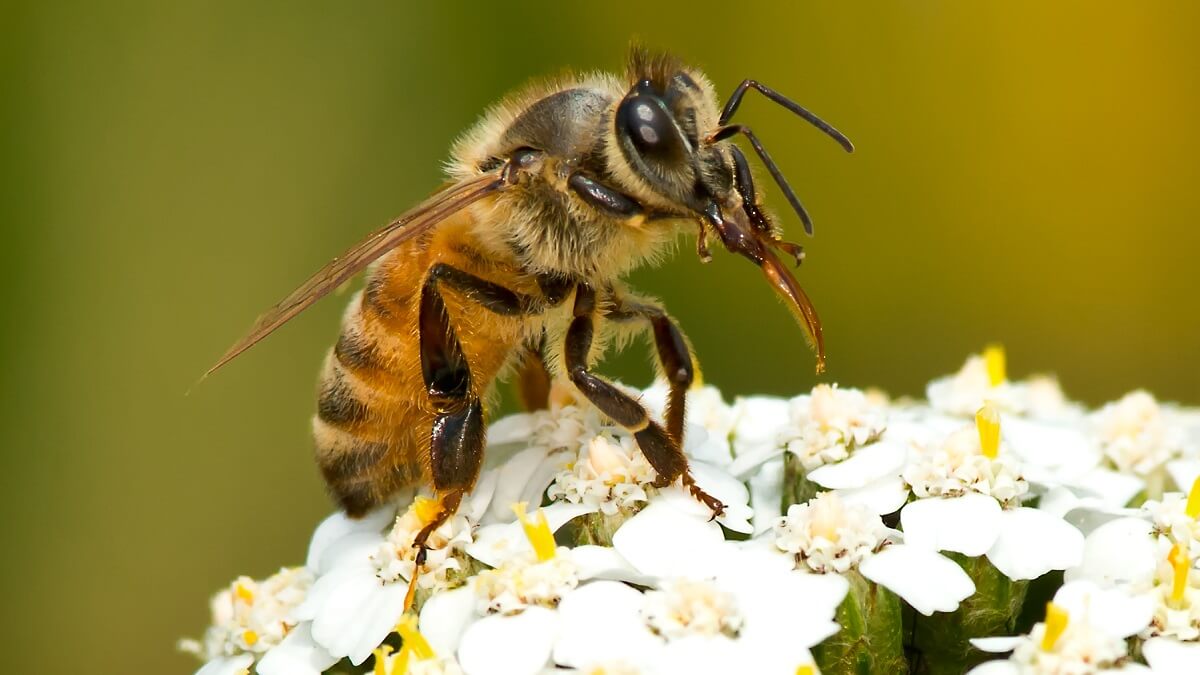
EU-funded researchers say stronger pollinator stewardship is needed across agriculture, environment and policy to protect food security.
Europe could face a serious agricultural and food security crisis if it fails to halt pollinator loss, according to a new White Paper from eight EU-funded pollinator research consortia.
The report, developed by 135 researchers across disciplines including pollinator ecology, ecosystem science, ecological economics, social science, political science and environmental law, warns that wild pollinator declines and pressures on managed bees pose a direct risk to crop production and the wider resilience of European agriculture.
The authors call for a coordinated roadmap to reverse wild pollinator decline, protect managed pollinators and make pollinator stewardship a measurable priority across EU and Member State policies.
Why Pollinators Matter to Crops
Pollinators play a critical role in the production of many crops, from fruits and vegetables to oilseeds, medicinal plants, fodder crops and other flowering plants used in food, feed, fibre and bio-based materials.
The report warns that pollinator loss is not only an environmental issue. It also affects the stability of agricultural supply chains and the long-term productivity of farming systems. Without reliable pollination, crop yields, quality and consistency can suffer.
Researchers say the problem is linked to a wider breakdown in how human activity interacts with nature. Unsustainable agricultural practices, short-term production goals and fragmented policy decisions can all reduce the habitats and resources pollinators need to survive, according to a press release.
Agriculture at the Centre of the Solution
The White Paper identifies siloed governance as one of the biggest barriers to pollinator restoration in Europe. Agriculture, environment, chemicals, research, trade, finance, planning and education policies often operate separately, even though pollinator health is affected by decisions across all of them.
The authors argue that this lack of coordination makes it harder to protect pollination services, which function as a public good for farmers and society. They say Europe needs policies that recognize pollinators as essential to resilient crop production, not as a separate conservation issue.
The report calls for pollinator stewardship to become an explicit and measurable priority across policy areas, especially those shaping land use, pesticide regulation, habitat management and agricultural support programs.
Beyond Wildflower Strips
The report also highlights a need for better pollinator literacy among farmers, land managers, advisers and policymakers. While many people are already taking action, such as planting wildflower strips, researchers say some efforts may fall short if they do not support the full life cycle of diverse pollinators.
“Many farmers plant wildflower strips along their fields, but almost no one knows that some moths are more effective pollinators than honeybees. These little creatures of the night, clothed in velvet and moonlit dust, need host plants for their larvae, not only flowers. Host plants for pollinating hoverflies, beetles and moths are missing in most seed-mixtures for flower strips.”
The report says effective pollinator support must go beyond providing flowers. It also needs to include host plants, nesting areas, reduced exposure to harmful chemicals and connected habitats across farmland and surrounding landscapes.
A Roadmap for Pollinator Stewardship
The White Paper concludes with 15 evidence-informed recommendations to help reverse pollinator decline in Europe. The recommendations focus on improving coordination across policies, strengthening education and ecoliteracy, supporting habitat restoration and aligning agricultural production with the long-term protection of pollination services.
For crop production, the message is clear: pollinators are part of agricultural infrastructure. Protecting them is essential to maintaining yield stability, crop quality and food system resilience in a changing climate.
Source - https://www.seedworld.com