The heatwave that swept across Europe in June is estimated to have cost the continent’s grain farmers €2bn (£1.7bn) in lost revenue and destroyed 9m tonnes of crops, sparking concern about the impact on the price of food.
Coceral, the European cereals and oilseeds trade association, made the estimate for the harvest of crops such as wheat, barley, maize and oats following the heatwave.
The reduction of 9m tonnes would mean the 27 EU member states and the UK will record their smallest harvest since 2018, and represents lost crop production larger than the combined total forecast grain production of Austria, Ireland and the Netherlands.
Coceral has linked the crop losses to the hottest June on record in western Europe. Maize was affected during the crucial pollination period, while wheat was affected during the time known as “grain fill”, when cereals need moisture to fill out, a key stage of development for crop yield.
Based on current prices, the value of lost grain production is estimated by the Energy and Climate Intelligence Unit (ECIU) thinktank to be about €2bn, although this figure does not include wider costs of the heatwave, such as lost vegetable crops and livestock.
Tom Lancaster, the ECIU’s land, food and farming analyst, said: “This will hit farmers in the pockets, reducing their income and undermining European food security at the same time. In the UK we have already seen three of the five worst harvests on record this decade, and recent heatwaves here will inevitably have cost British farmers again.”
France is expected to suffer reductions in grain production, where an estimated 3.4m tonnes of maize has been lost, with the cost of lost grains expected to reach €891m. The next biggest grain losses are expected in Hungary (2.4m tonnes) and Spain (1.4m tonnes).
Benoît Merlo, a farmer in the Auvergne-Rhône-Alpes region of France, said a decade of adapting his farm to hotter and drier conditions had not helped this year: “With temperatures exceeding 38C for weeks on end, everything is breaking down. I’m expecting yield losses of at least 50%, or even 70%, for certain crops, such as soya.”
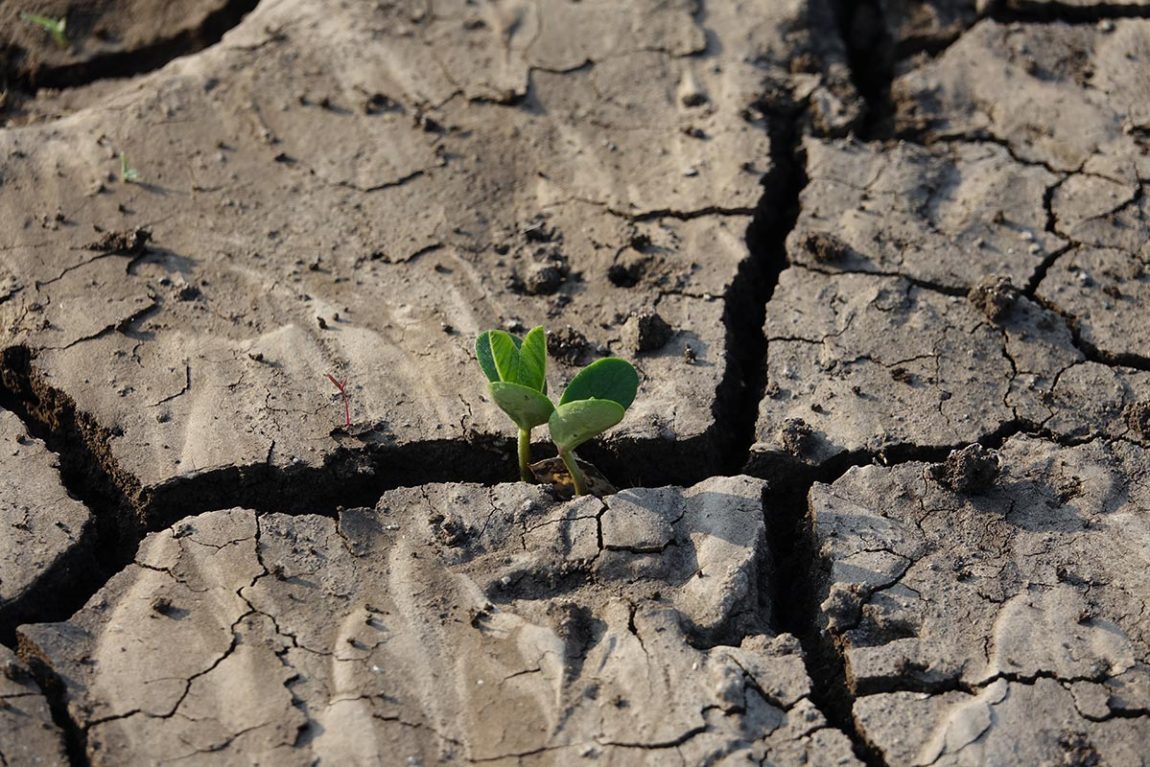
British farmers are reporting dry conditions across much of the UK following the June heatwave and a dry spring, although this has been felt most acutely in East Anglia and parts of south-east England, with regional variations expected.
Helen Plant, the lead analyst for cereals and oilseeds, at the Agriculture and Horticulture Development Board (AHDB), said: “The dry conditions through April and much of May have clearly taken a toll on crop development, particularly for spring crops and winter cereals with limited moisture reserves.”
The result of the UK harvest is uncertain, the AHDB said, while many farmers have had to bring forward harvesting as a result of the hot, dry weather.
Paul Tompkins, deputy president of the National Farmers’ Union, said: “Farmers and growers across the country are working around the clock to harvest crops which have come early, keep fruit and vegetables watered, and care for their livestock.
“For many arable farmers, this could be another difficult and expensive harvest after extreme weather impacts in both 2024 and 2025 which saw both drought and flood.”
The lost crops are expected to make Europe more dependent on grain imports, pushing global commodity prices higher, although this will also be affected by the southern hemisphere harvest in late 2026 and early 2027.
The shortfall in European grain production comes as global crop supplies are also tightening, as southern and western parts of the US are suffering from severe drought, affecting grain and meat production.
Source - https://www.aol.co.uk