France halts imports of food with traces of banned pesticides

07.01.2026 439 views

France on Wednesday officialised a ban on food imports containing traces of five pesticides currently banned in the EU, a move aimed at easing farmers' opposition to the Mercosur trade deal with four South American nations. 

France's influential farming lobbies are pushing the government to block the Mercosur accord, which is being discussed by the bloc's agriculture ministers in Brussels at an extraordinary meeting on Wednesday.

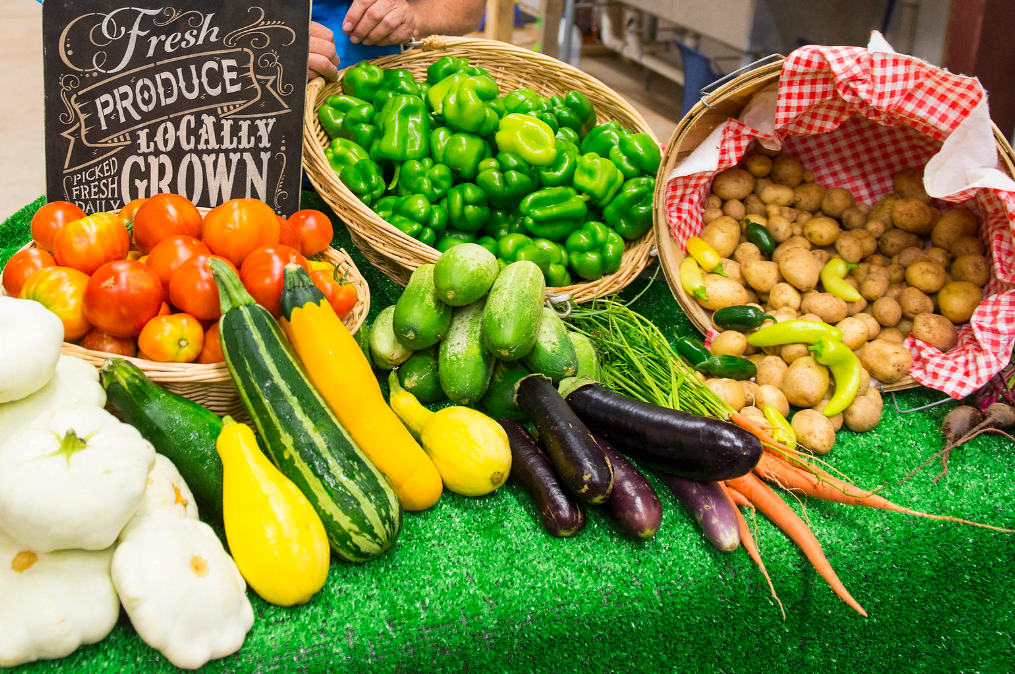
The five substances targeted include the fungicides mancozebe, thiophanate-methyl, carbendazim and benomyl, used on produce ranging from avocados and mangos to wheat and soybeans.

The fifth substance, glufosinate, is an herbicide widely used on potatoes.

They are all banned in the EU for health risks, but current rules allow trace levels of them on food imports to the bloc, which France now deems too high.

Many of the imports that would be banned are from South America, "but this measure is not aimed at South America, but all countries that treat these fruits and vegetables with these five products", an agriculture ministry official said on condition of anonymity earlier this week.

The French measure still needs the green light from the EU Commission, which will examine it on January 20, the ministry said in a statement.

Commission officials have already said they are ready to renegotiate the rules on trace elements of banned pesticides, which affect only a tiny fraction of produce sales in the bloc.

More than 25 years in the making, the Mercosur deal would create the world's biggest free-trade area, boosting commerce between the 27-nation EU and the bloc comprising Brazil, Paraguay, Argentina and Uruguay.

But it has alarmed many European farmers who fear they will be undercut by a flow of cheaper goods.


Source - https://www.france24.com

30.06.2026

Poland faces smaller AJC crop while Turkey prepares for recovery

Poland's apple juice concentrate (AJC) crop faces the prospect of a sharply reduced harvest in 2026 following severe frosts, while Turkey is set for a strong recovery season after near-total losses a year earlier, according to market sources cited by Mintec.

30.06.2026

Canada - Excess moisture, flooding insured perils under AgriInsurance

Excessive precipitation across northern Alberta over the past several weeks has significantly impacted seeding progress for many producers and is causing fields to flood in some areas.

30.06.2026

India - Delta farmers seek special relief package as Kuruvai loss threatens incomes in TN

With water storage in the Mettur dam forcing a sharp decline in short-term paddy cultivation this season, farmers in the Cauvery Delta have urged the Tamil Nadu government to announce a special relief package and provide scientific guidance on alternative crops to help offset mounting losses. 

30.06.2026

CRDB Bank Deploys AI Nose-Print Technology to Shake Up Tanzanian Livestock Insurance

Tanzanian pastoralists are set to access a transformative digital insurance framework utilizing artificial intelligence to scan animal nose prints for rapid payouts.

30.06.2026

Philippines - WB grants $70M loan for farmers' climate-risk insurance

The World Bank is lending $70 million to the Philippines for a co-insurance pool that would protect small farmers and fisherfolk from the effects of climate change, according to the Department of Agriculture (DA) on Sunday.

30.06.2026

Insurance helps farmers protect livelihoods as climate shocks intensify

Insurance is helping farmers recover from droughts and floods before crises deepen – as climate shocks intensify and the shadow of El Niño threatens.

29.06.2026

USA - Revisions to livestock insurance programs take effect July 1

Revisions to the principal livestock risk management programs, as well as to crop insurance, take effect July 1.

29.06.2026

Raising Concerns About Crop Damage, Threatened Livestock, and Health Risks in Rural Brazil

The advance of wild boars across Brazilian territory worries the countryside due to economic loss, threat to biodiversity, and sanitary risk to livestock, especially in regions where crops and livestock are vulnerable to the species’ movement.