The Minister for Food and Agriculture, Eric Opoku, has launched a national agricultural intervention project dubbed the Promoting Rural Opportunities, Sustainable Profits and Environmental Resilience (PROSPER) Project, aimed at modernising Ghana’s agricultural sector and improving the livelihoods of about 420,000 beneficiaries across eight regions.
The project was officially launched in Damongo, the Savannah Regional capital, marking a major step in the government’s efforts to transform agriculture into a resilient, inclusive and commercially viable sector.
The US$147.3 million PROSPER Project is jointly funded by the Government of Ghana, the International Fund for Agricultural Development (IFAD) and the Green Climate Fund (GCF). It seeks to strengthen rural agricultural systems, promote sustainable profitability for farmers and enhance environmental and climate resilience, particularly in vulnerable communities.
The initiative places strong emphasis on inclusivity, with 50 per cent of the target beneficiaries being youth and five per cent persons with disabilities. This approach is aimed at addressing unemployment, reducing inequality and empowering marginalised groups within the agricultural value chain.
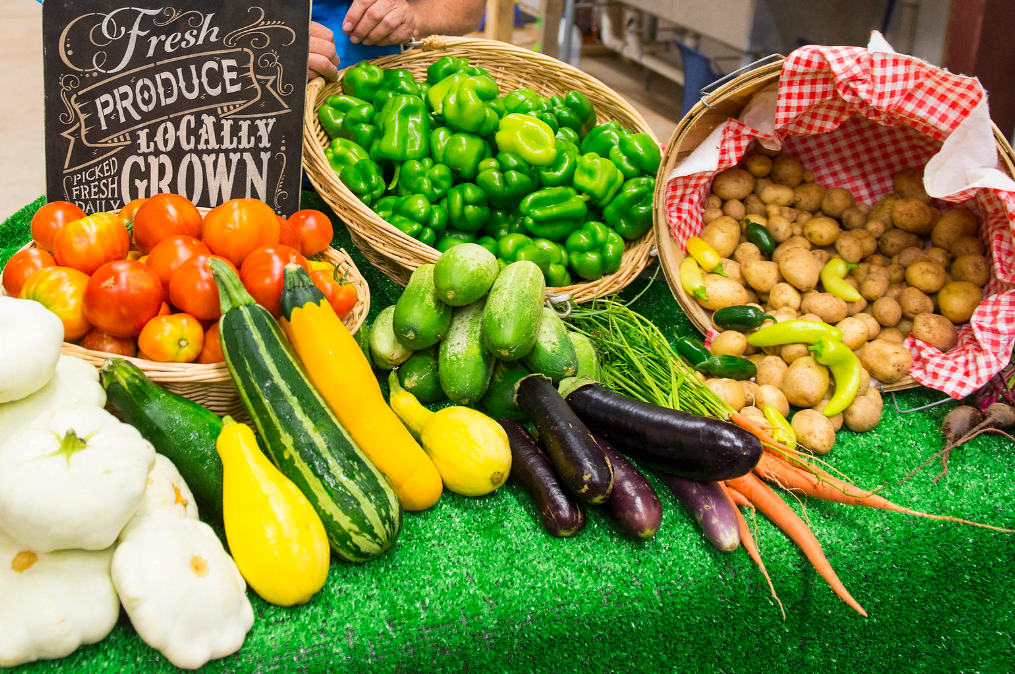
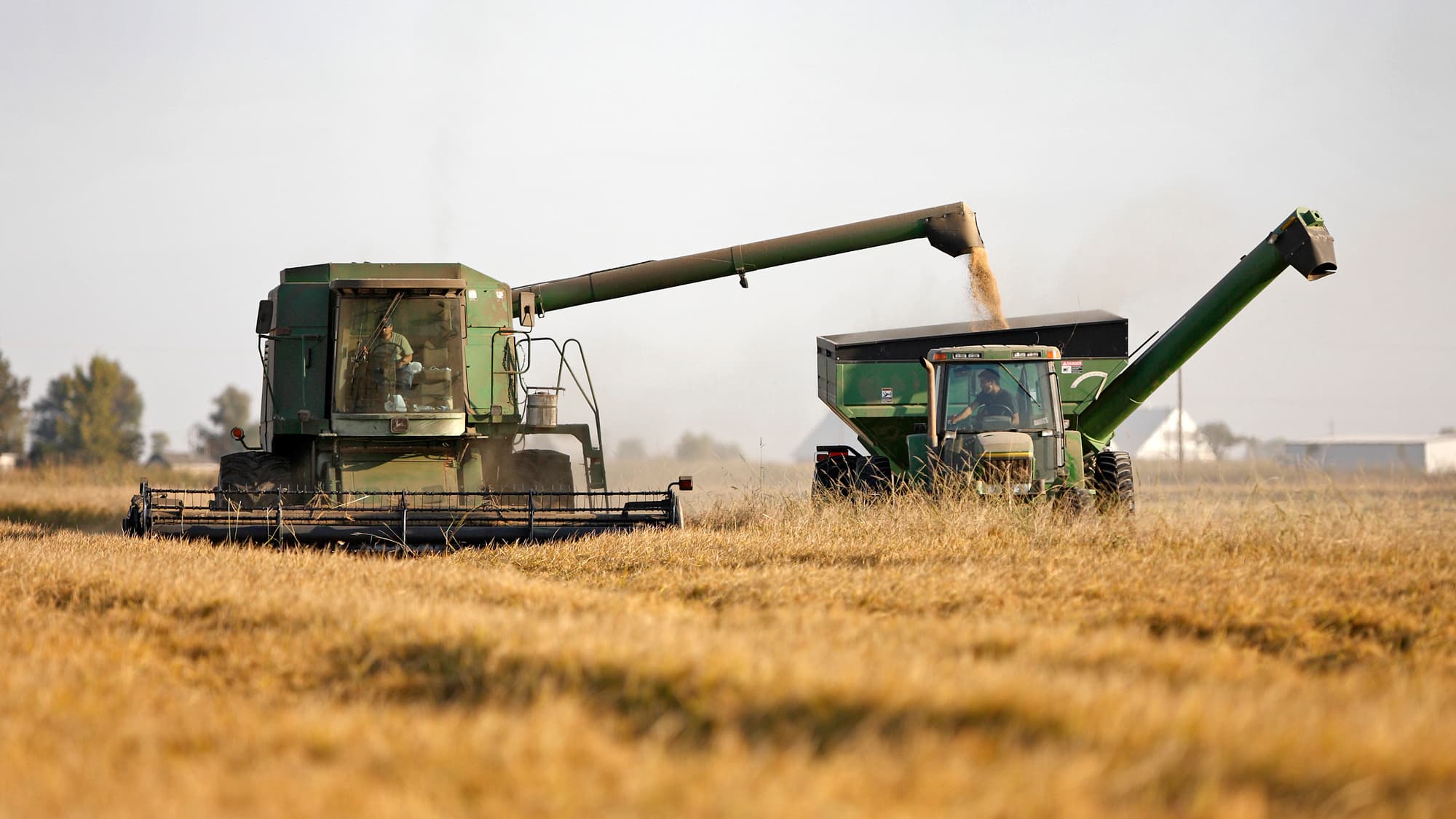
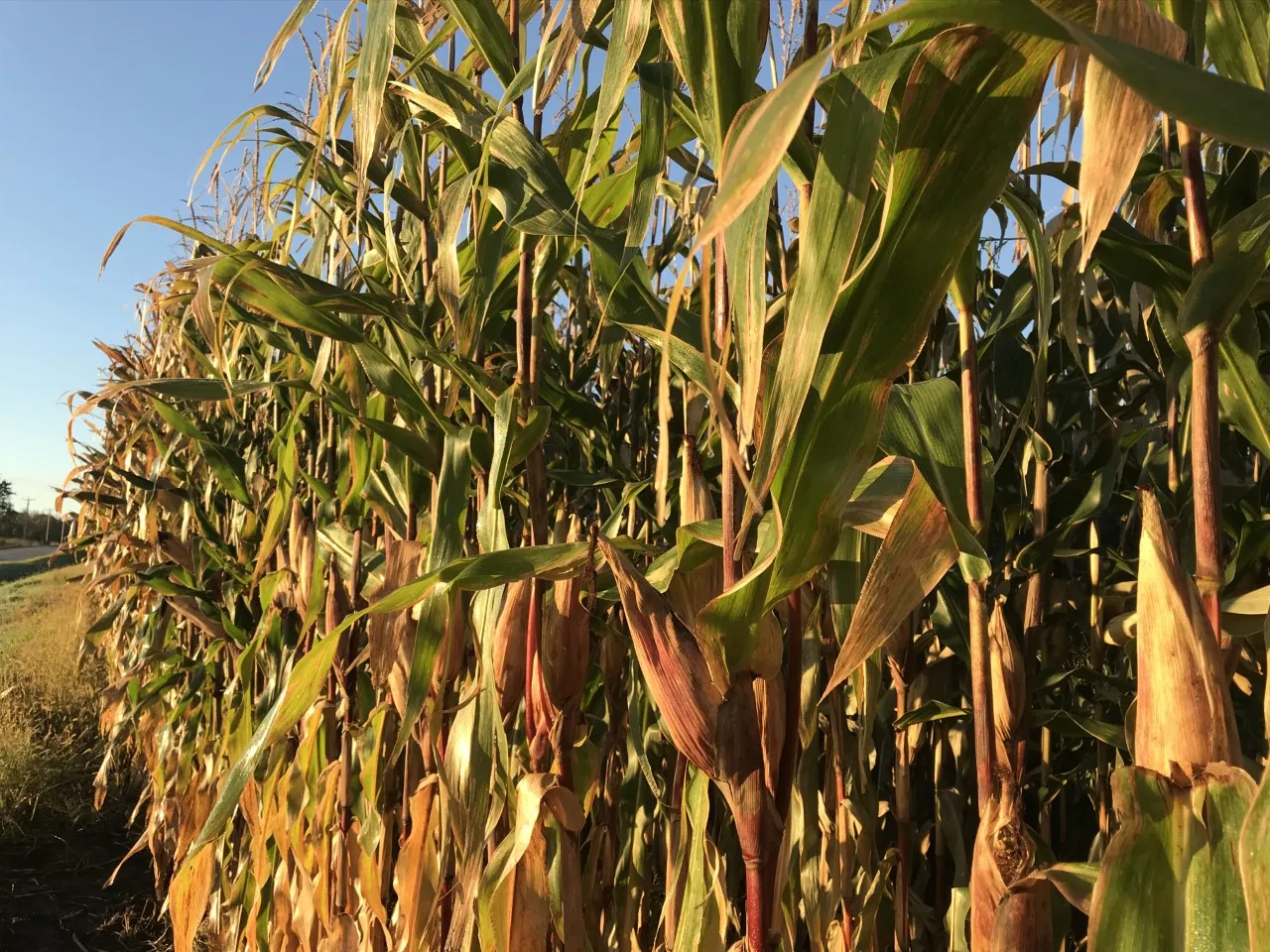
The PROSPER Project will focus on seven priority value chains—maize, rice, soybean, shea, cashew, poultry and vegetables—selected for their economic potential and relevance to food security and export growth. Implementation will cover the Upper West, Upper East, Northern, Savannah, North East, Bono East, Oti and Eastern Regions, identified as strategic areas for boosting agricultural production and rural development.
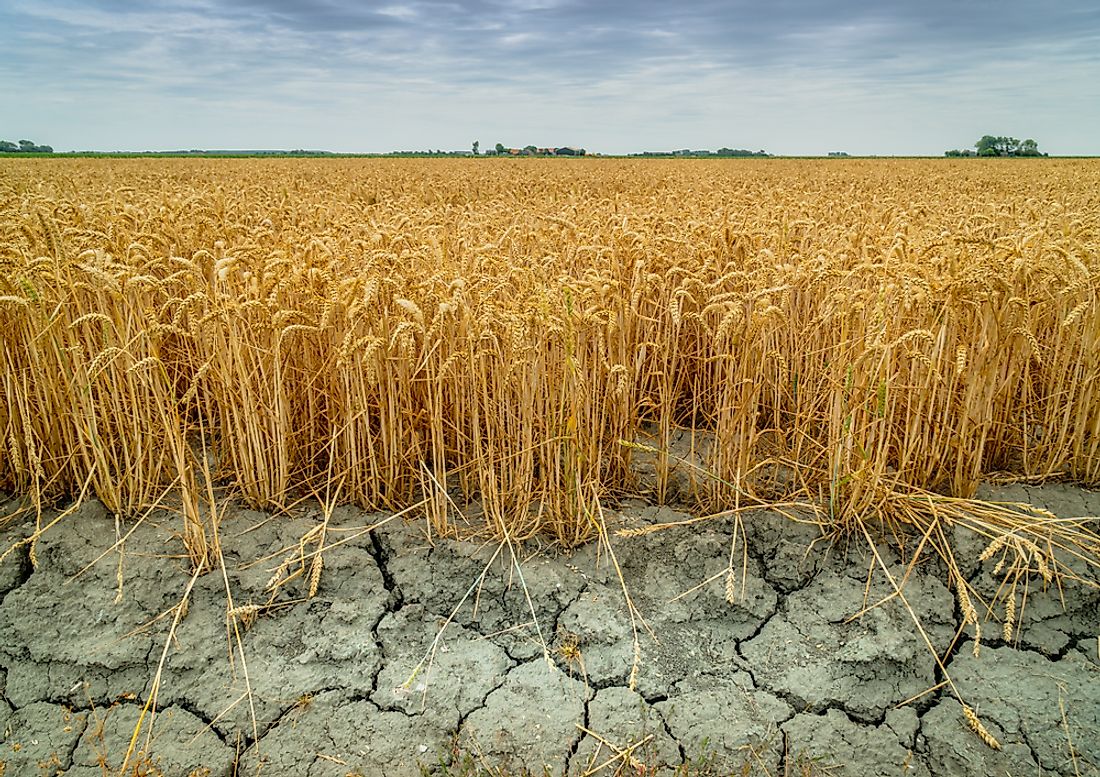
Speaking at the launch, the sector minister underscored the importance of the project in tackling persistent challenges confronting agriculture, including low productivity, the impact of climate change and limited access to markets and finance. He expressed confidence that the PROSPER Project would play a critical role in accelerating agricultural modernisation.
“This project is about transforming agriculture from subsistence to a profitable and sustainable business that can compete at the highest level,” the Minister stated, adding that the government remains committed to making Ghana “the food basket of Africa.”
The Savannah Regional Minister, Salisu Biawurbe, welcomed the project, describing it as a timely and transformative intervention for the region.
“The Savannah Region has vast arable lands and a hardworking, youthful population, and this project allows us to fully harness these strengths,” he said.
He noted that the implementation of the PROSPER Project would help unlock the region’s agricultural potential, improve farmers’ incomes and stimulate agribusiness development. According to him, investments in agro-processing, storage and value addition would reduce post-harvest losses while creating sustainable employment for the youth.
“When we invest in agriculture, we are not only feeding the nation but also fighting poverty and unemployment at the same time,” the Regional Minister emphasised, calling on private investors and development partners to take advantage of the opportunities presented by the project.
He further assured stakeholders of the region’s readiness to provide an enabling environment to ensure the smooth and successful implementation of the initiative.
The PROSPER Project was launched under the theme “Enhancing Climate-Resilient, Inclusive, and Market-Driven Agricultural Value Chains in Ghana.” With its strong focus on sustainability, inclusiveness and market access, the initiative is expected to strengthen agricultural value chains, boost rural incomes and contribute significantly to national economic growth.
The project represents a long-term commitment to building a resilient agricultural sector capable of withstanding climate shocks, empowering rural communities and driving Ghana’s broader development agenda through agriculture.
Source - https://www.myjoyonline.com