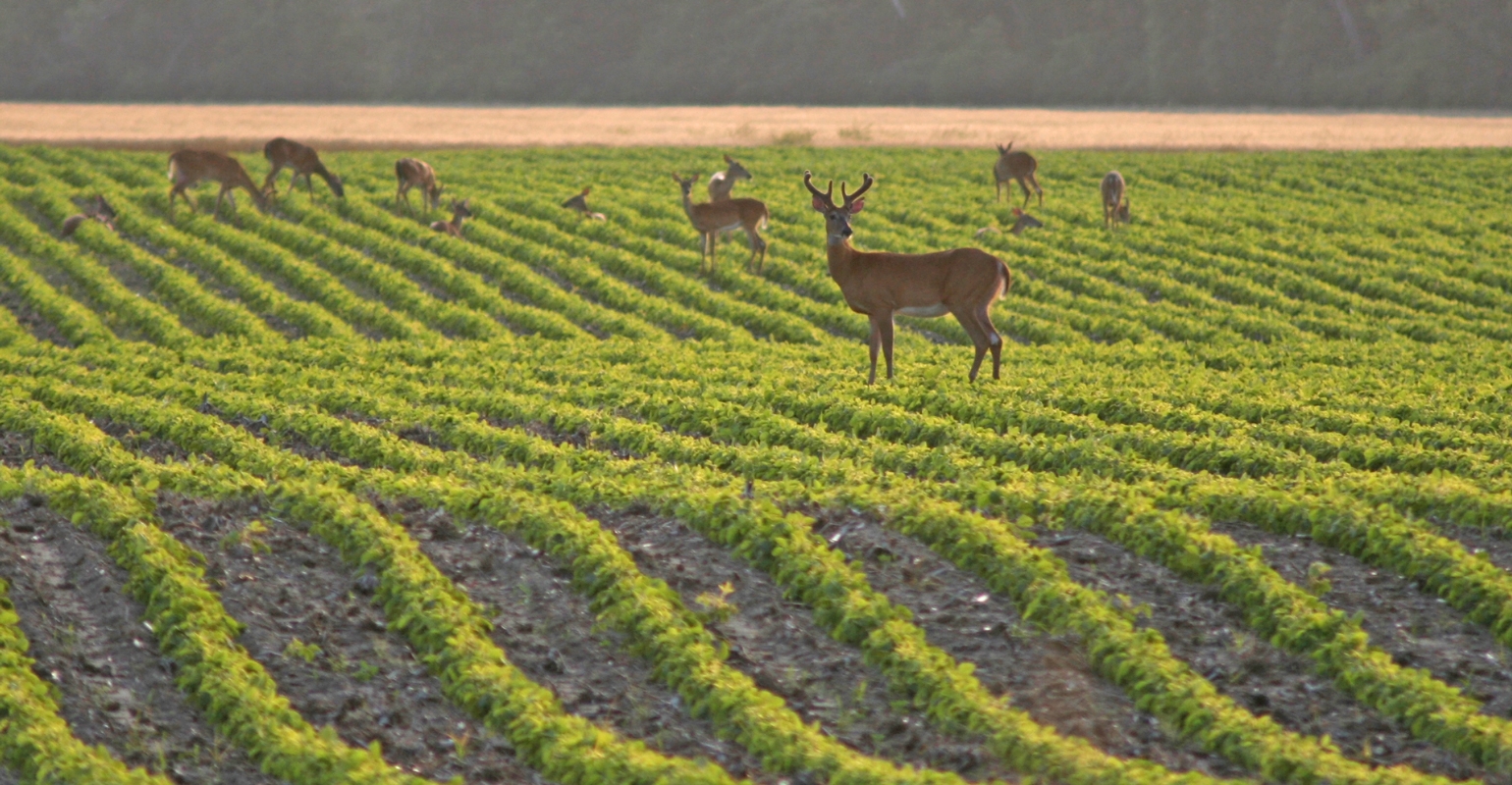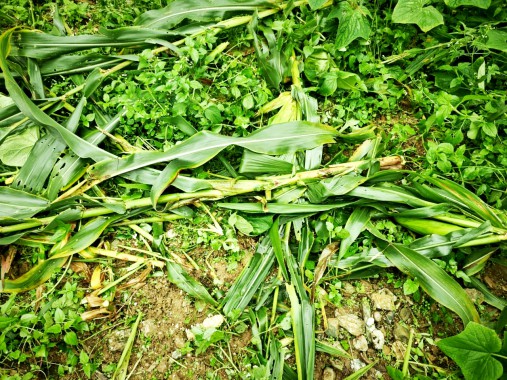
Human-wildlife conflicts in Malaysia have become an increasingly serious concern, with more than 76,000 complaints recorded nationwide and estimated losses reaching RM58.7 million over the past four years.
Natural Resources and Environmental Sustainability Minister Datuk Seri Arthur Joseph Kurup said the issue requires urgent attention as the consequences extend beyond crop destruction and property damage, posing significant risks to public safety and even human lives.
According to him, a total of 76,361 complaints involving wildlife conflicts were reported across the country from 2021 until May this year.
Johor emerged as one of the states most affected, recording 9,063 complaints with estimated losses amounting to RM7.5 million.
“These conflicts must be addressed immediately because they do not only damage crops and property but can also lead to injuries and loss of life.
“The trend is becoming increasingly worrying and requires comprehensive solutions involving multiple agencies and stakeholders,” he said during an event at the Johor Elephant Sanctuary here yesterday.
Arthur noted that several wildlife species are frequently involved in such conflicts, including macaques, elephants, wild boars, Malayan tigers and tapirs.
He said habitat loss remains one of the main causes behind the increasing number of incidents.
Rapid land-use changes for agriculture, plantations and infrastructure development have significantly reduced the natural habitats available to wildlife.
The construction of highways, dams, railways, residential areas and expanding urban centres has fragmented forests and disrupted traditional migration routes used by many animal species.
As a result, wild animals are increasingly forced to move into human settlements and agricultural areas in search of food and shelter.
“When their natural habitats shrink, wildlife have very limited options.
“They are compelled to move into areas occupied by humans, which inevitably increases the likelihood of conflict,” Arthur explained.
Elephants are among the species most affected by habitat fragmentation.
According to the minister, elephants require extensive roaming areas ranging from 10 to 250 square kilometres, depending on food availability and the size of their herds.
When forests are fragmented or converted into plantations and urban areas, these animals lose access to their natural corridors and are forced to cross roads, railway tracks and villages.
Such encounters often lead to crop destruction, property damage and, in some cases, accidents involving vehicles and trains.
To address the issue, the ministry has introduced a series of conservation and mitigation measures aimed at reducing conflicts between humans and wildlife.
Among the initiatives implemented are the National Elephant Conservation Action Plan (NECAP), the establishment of elephant sanctuaries and the operation of the National Elephant Conservation Centre (NECC) in Lanchang, Pahang.
Arthur said elephant electric fencing systems have also been installed in several high-risk areas to prevent elephants from entering villages and plantations.
“These measures are important not only to protect local communities but also to ensure the long-term survival of elephant populations in Malaysia,” he said.
He added that efforts to tackle human-wildlife conflicts require close cooperation between federal and state governments as well as various agencies.
In Johor, the state government established a special committee last year to coordinate initiatives aimed at reducing human-elephant conflicts, which have become increasingly common in several districts.
Arthur said collaboration involving the Johor government, the Department of Wildlife and National Parks (Perhilitan), the Transport Ministry and the Railway Assets Corporation has been crucial in addressing uncontrolled elephant crossings along the Gemas–Johor Bahru Electrified Double-Track Railway.
Several locations, including Labis, Bekok, Paloh, Mengkibol and Renggam, have been identified as major hotspots where elephants frequently cross railway lines and roads.
Authorities are currently exploring additional mitigation measures to reduce risks to both wildlife and humans in these areas.
“Protecting people and conserving wildlife should go hand in hand.
“Our goal is not only to minimise conflicts but also to ensure that Malaysia’s wildlife heritage continues to thrive for future generations,” Arthur said.
During the event, the minister also presented Wildlife Attack Damage Assistance (BKHT) totalling RM79,600 to nine recipients whose homes or properties had been damaged by wildlife.
He expressed hope that the financial assistance would ease the burden faced by affected residents while longer-term solutions continue to be implemented to create a safer coexistence between humans and wildlife across the country.
Source - https://wilayah.com.my