India - Immediate compensation for crop losses

19.09.2022 889 views

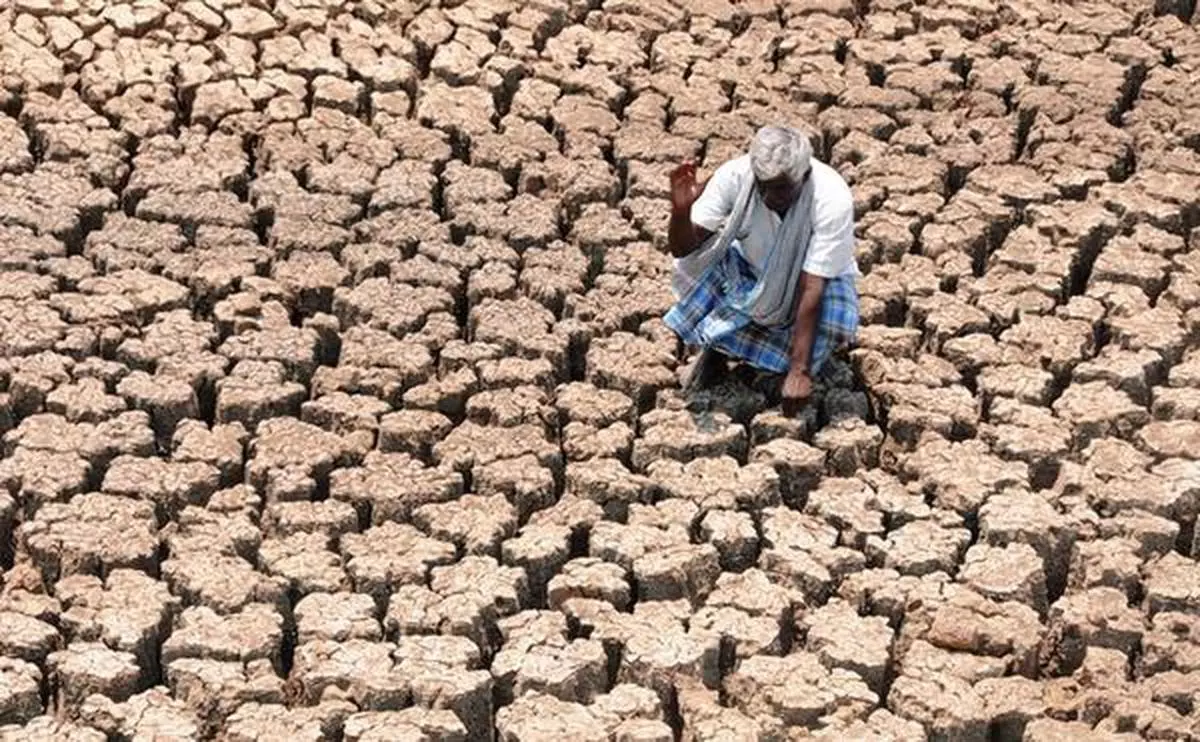
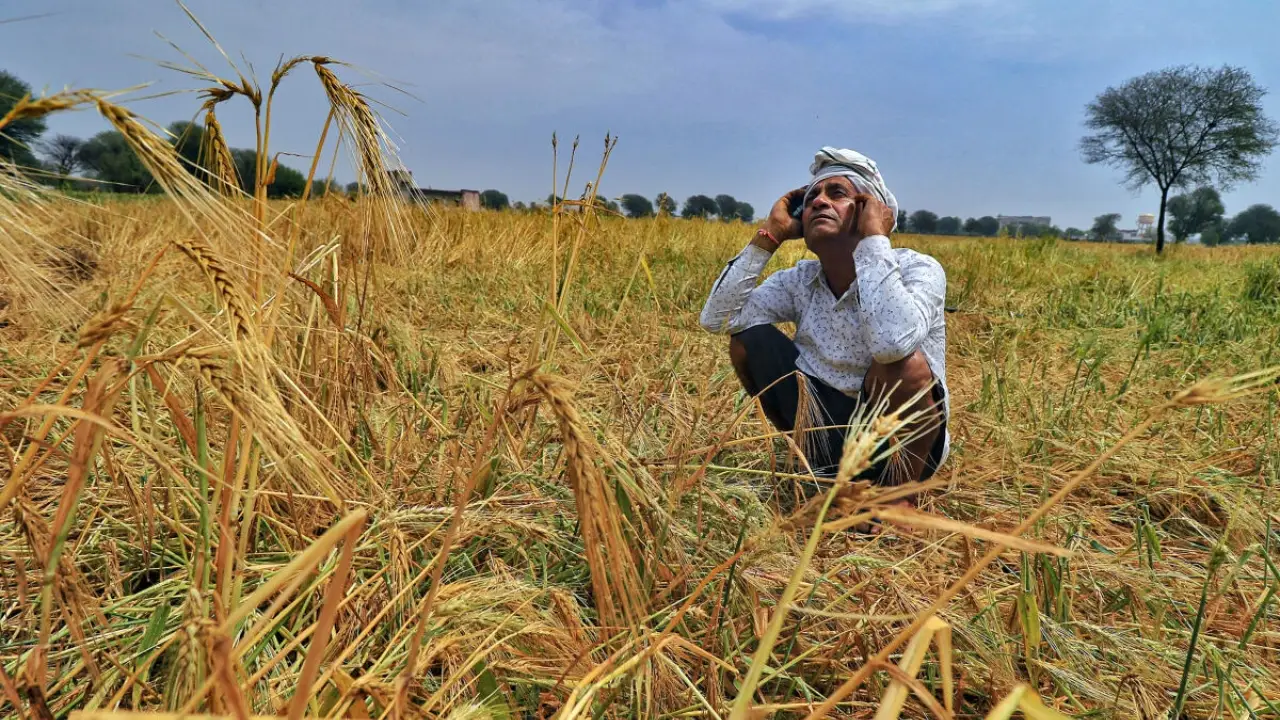
Chief Minister Basavaraj Bommai on Saturday said his government had released ₹300 crore for compensating the farmers who had lost their crops owing to heavy rain and floods in July and August.

“Earlier, governments took years to pay the compensation, but now we are releasing compensation amount as and when the crop loss report is uploaded on the portal. We have also doubled the compensation amount fixed as per the NDRF norms. The State government is adding an equal amount of funds to that released by the Union government to pay more compensation to the farmers. For example, the Union government gives ₹6,800 per hectare for dryland and we add an equal amount to make it ₹13,600,” Mr. Bommai said.

Krishna waters

When asked about the delay in issuing the gazette notification for the use of water allocated to Karnataka in the Upper Krishna Project by Krishna Water Tribunal, the Chief Minister said the matter was pending before the Supreme Court and two judges and assured the utilisation of water once the matter was settled.

“Two judges in the Bench have recused themselves from the case. Now, a new Chief Justice India has taken charge. The advocates representing Karnataka were demanding the appointment of two judges to the Tribunal. Once water allocation is decided, the height of the Almatti Dam will be raised to 524 metres and implementation of nine irrigation projects will be initiated. Arrangements will be made to release water into the canal by issuing the notification,” Mr. Bommai said.

More allocation

The Chief Minister announced at another event in Kalaburagi that the State government would provide ₹5,000 crore for the development of Kalyana Karnataka from next year. He was in the city to inaugurate Kalayana Karnaka Divasa celebration to mark the unificaiton of Hyderbad Karnataka with the Indian Union in 1948.

Source - https://www.thehindu.com

05.05.2026

Climate change: challenges and opportunities for crop insurance in Canada

The pandemic we have just come out of reminded us of the importance of maintaining robust food sovereignty in our country, provinces and cities. 

05.05.2026

Azerbaijan, Uzbekistan hold talks on agro-industrial collaboration

On May 5, Minister of Agriculture Majnun Mammadov met with a delegation from Uzbekistan led by Minister of Agriculture Ibrokhim Abdurakhmonov, who attended the 19th Azerbaijan International Agricultural Exhibition (Caspian Agro Week), to discuss bilateral cooperation in the agricultural sector, Trend reports.

05.05.2026

Philippines - P6.69-million crop damage logged in Albay due to Mayon unrest

Damage to crops from Mayon Volcano’s unrest has reached P6.69 million, with ashfall affecting several farmers in Albay, authorities said Tuesday.

05.05.2026

Cyprus - Farmers in Karpasia seek compensation for crop damage caused by wild donkeys

Losses reported in Rizokarpaso and nearby villages as donkey population grows and destroys farmland.

05.05.2026

USA - USDA Risk Management Agency Upgrades Rainfall Data Source

The U.S. Department of Agriculture’s (USDA) Risk Management Agency (RMA) is upgrading the source for rainfall data used in several Federal crop insurance programs, moving from the National Oceanic and Atmospheric Administration’s Climate Prediction Center (CPC) to the National Centers for Environmental Information (NCEI). 

05.05.2026

Asparagus losses in Norfolk County, Canada reach 98 percent after frost

Frost events in Canada recently caused crop damage in Norfolk County, with asparagus production heavily affected. At Dalton White Farms, losses reached up to 98 per cent of the field.

04.05.2026

Bulgaria's Kyustendil cherry crop severely affected by frost for second consecutive year

Frosts have caused critical damage to cherry orchards in the Kyustendil region of Bulgaria for the second consecutive spring, with producers reporting near-total crop losses. 

04.05.2026

Vietnam - MoF moves to expand farm insurance support and eligibility

The Ministry of Finance has proposed sharply increasing agricultural insurance premium subsidies to up to 95 per cent and widening the pool of eligible beneficiaries to better share risks with producers, stabilise farm incomes, and strengthen climate resilience.