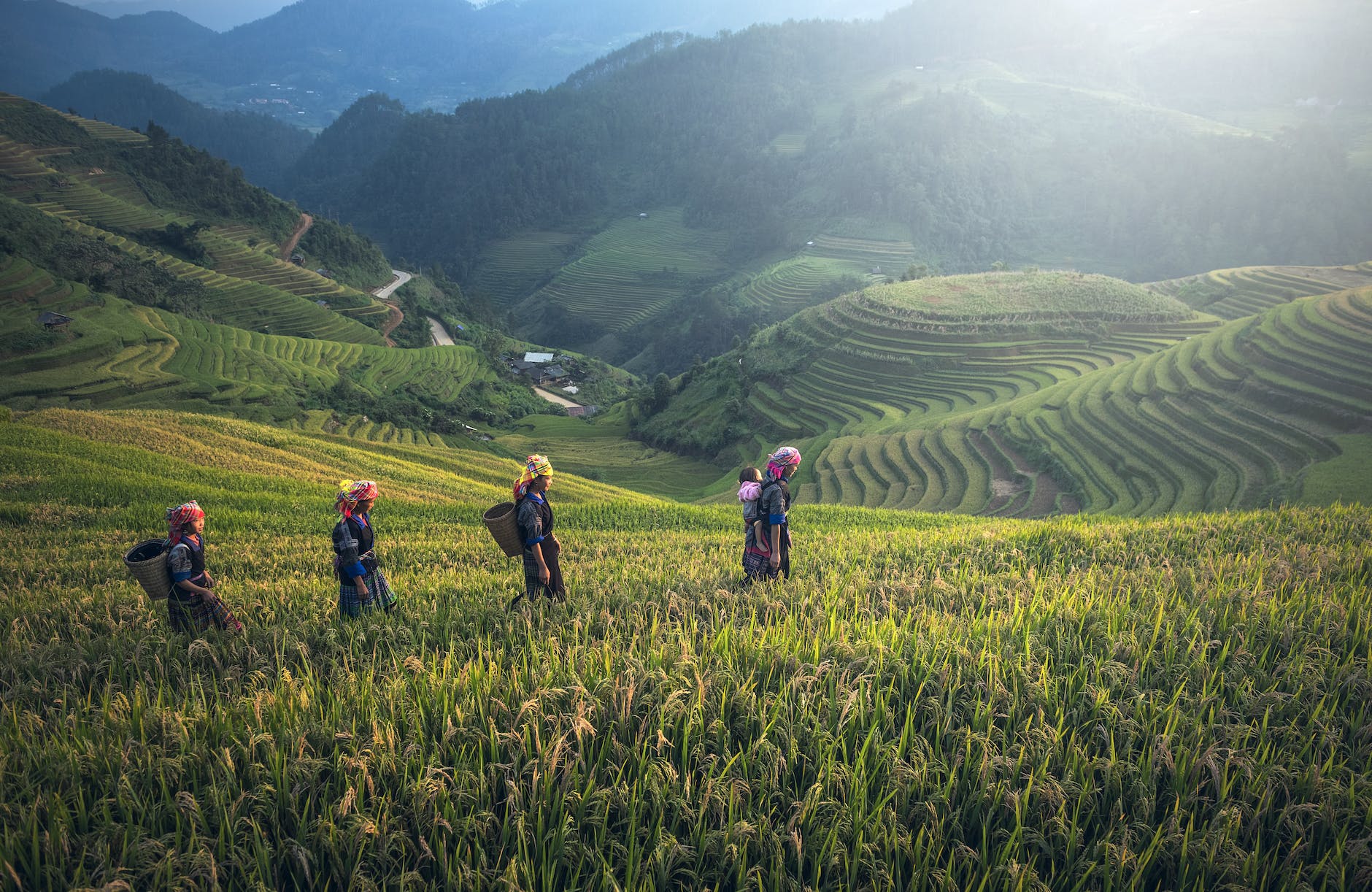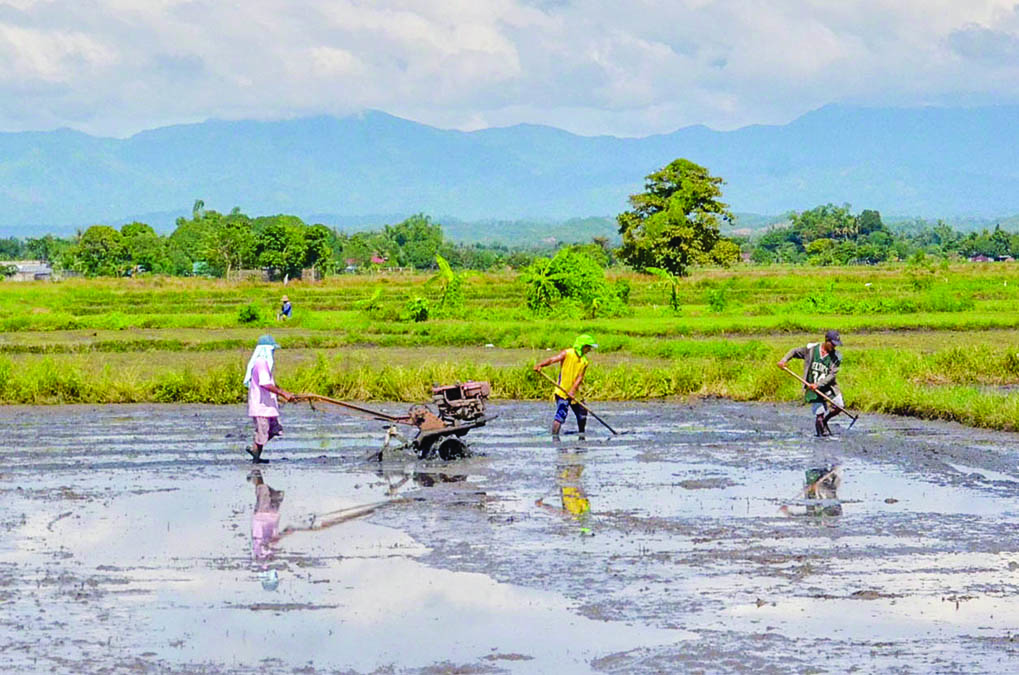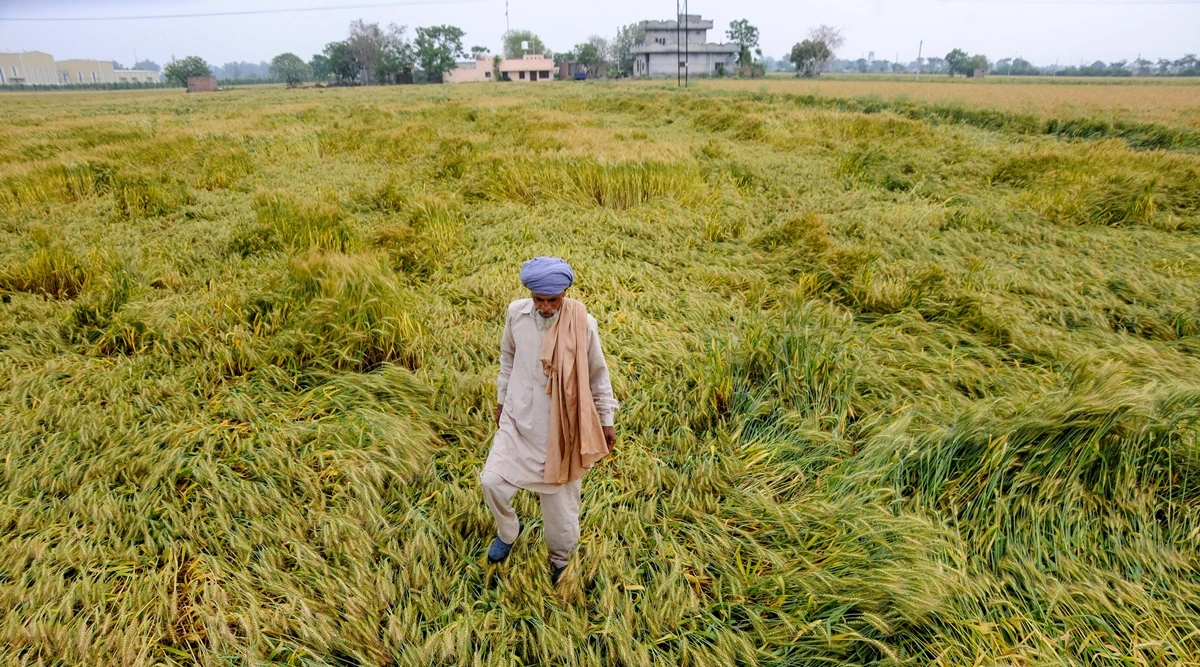
Maharashtra’s crop loss memorandum to the Centre is being prepared after an assessment covering nearly three crore panchanama site visits, a scale that exposes both the geographical spread of the drought and the administrative difficulty of measuring it. The state agriculture department has said the memorandum will be submitted within one or two days, but the evidence in the assessment also points to a crisis that extends beyond compensation for damaged kharif crops: depleted soil moisture, weak rabi sowing, reduced rural work and pressure on drinking water, fodder and household incomes.
The immediate task is to convert thousands of local crop-damage records into a state-level financial demand. Agriculture commissioner Suraj Mandhare said the department had completed field-level assessments across all affected areas and was verifying the information before compiling it in a uniform format. He said nearly three crore site visits had been conducted this time, compared with 35,000 during the previous exercise. Agriculture minister Dattatray Bharne separately said nearly 97% of the crop panchanama had been completed.
That comparison is important because a panchanama is not merely a count of damaged fields. According to the agriculture department official quoted in the report, the methodology has changed and now requires photographs of damaged crops with geo-tagging, along with other parameters before an assessment can be completed. The process is intended to make claims more accurate, but it also makes the administrative chain longer: damage must be observed in the field, documented, verified, standardised and then translated into a memorandum that can support a request for central assistance.
The state has declared drought in 305 of Maharashtra’s 358 tehsils, with officials indicating that more tehsils could be added. The declaration provides the administrative frame for the memorandum, while the site visits are expected to establish the extent of agricultural losses and the affected farmer base. The state agriculture department has said that deficient rainfall caused extensive kharif damage across several regions, including Marathwada, Vidarbha and western Maharashtra.
The Centre has already sent an 11-member inter-ministerial team to assess the situation. The team visited affected areas between October 8 and October 11, including villages in Marathwada, Vidarbha and western Maharashtra, as well as Ahilyanagar and Solapur districts. Its assessment covered crop damage, water availability, fodder requirements and the wider impact of the deficient monsoon. The observations of that team are expected to form part of the broader assessment of Maharashtra’s requirement for additional assistance.
This arrangement reveals how drought relief is assembled across multiple levels of government. Local field assessments produce the evidence; the state agriculture department consolidates it; the state government presents the financial requirement; and the Centre’s inter-ministerial team supplies an additional assessment. Each stage has a different purpose, but the final assistance depends on the information being sufficiently detailed and consistent to support the state’s demand.
The scale of the current exercise also shows why the timing of relief has become a central issue. The department’s position is that verification and standardisation do not constitute an avoidable delay because the assessment is much larger and more demanding than the previous one. Activists, however, argue that farmers should not have to wait for the full administrative process while the agricultural season continues to deteriorate.
That disagreement is not simply about speed. It reflects two different definitions of the crisis. For the administration, the immediate requirement is to establish the extent of crop loss through a defensible process. For affected households, the problem has already moved beyond the damaged kharif harvest. Activists cited in the report said rabi sowing had remained extremely low in several drought-affected pockets because of inadequate soil moisture, depleted water sources and farmers’ inability to invest in seeds, fertilisers and labour.
The distinction matters because compensation for one failed crop does not automatically restore the conditions required for the next one. A farmer who has lost a kharif crop may still lack the water, cash and confidence needed to begin rabi cultivation. The report records that some farmers are reluctant to spend further on inputs without assurance of water availability. This places the administration’s crop-loss assessment alongside a second, less easily measured question: how much productive capacity has been lost for the rest of the agricultural season?
The consequences described by activists also extend beyond landowners. A poor rabi season would affect agricultural labourers, rural traders, livestock owners and businesses dependent on farm income. Anil Ghanwat, an agriculture activist, said women labourers in some places were travelling more than 50 km for farm work, while agriculture-related activity had stopped in other areas. Beed-based activist Uddhav Ghodke said there was little work in villages and that not all farmers could migrate.
These accounts place rural employment and mobility within the crop-loss story. When cultivation stops, the impact is not limited to the value of the crop that failed. Farm labour loses work, local trade loses purchasing power and livestock owners face higher pressure on fodder and water. Households continue to carry basic expenses even when agricultural income disappears. The report also records concerns that indebted farmers could struggle to repay loans, potentially aggravating distress and migration.
The memorandum is therefore being prepared against a requirement that is wider than a single compensation figure. Activists said Maharashtra would need assistance not only for crop losses but also for drinking water arrangements, fodder supplies, employment generation and support for the next cropping season. These demands correspond to the multiple effects identified in the field assessment: damaged crops, inadequate water, livestock needs and the wider loss of rural income.
Yet the supplied report does not establish the final amount Maharashtra will seek or the amount the Centre will approve. It also does not provide a district-wise breakdown of crop damage, the number of affected farmers, the area under failed crops or the status of specific relief payments. Those gaps are significant because the quality of the final response will depend on how the state’s broad assessment is converted into measurable requirements and how those requirements are evaluated.
The nearly three crore site visits provide a powerful indicator of administrative scale, but they do not by themselves reveal whether every affected household will receive assistance or whether the assessment captures losses outside standing crops. The report’s references to water availability, fodder, rabi sowing and rural employment suggest that the crisis has several dimensions, while the panchanama process is primarily structured around documenting crop damage. The memorandum will have to connect those dimensions if it is to reflect the conditions described on the ground.
Maharashtra’s drought process is consequently operating on two timelines. The first is the official timeline: verify the field data, prepare the uniform memorandum and submit it to the Centre. The second is the agricultural timeline: determine whether farmers can sow rabi crops, whether water and fodder remain available, and whether rural workers can find income after kharif activity has weakened. The report indicates that the second timeline is already advancing while the first is still being completed.
The state’s next memorandum will make the scale of reported crop damage legible to the Centre. What remains to be established is whether the eventual assistance will address the wider chain of effects identified in the report, including the next crop, rural employment, drinking water, livestock and household debt. The immediate milestones are the submission of the memorandum, the completion of verification and any further drought declarations expected from the state government.
Source - https://urbanacres.in