Even as the government has announced relief packages worth Rs 11,138 crore for farmers for damages due to rains in September and October, the farmers in several districts say they do not see the situation getting any better.
Ramsinh Rajput was barely able to harvest his castor, jowar and bajra as unseasonal rains destroyed most of the standing crop. And now with a good part of his 50 bighas of farmland in Vav taluka in north Gujarat remaining waterlogged, he has to delay the sowing of the Rabi crop – he is planning to take up it in the next cycle.
Most of the farmers of north Gujarat, where water does not drain easily because of the terrain, are facing the same predicament.
The farmers, who have suffered crop loss after the heavy rainfall in September, have been affected by unseasonal rainfall in October, leading to massive crop damages across the state.
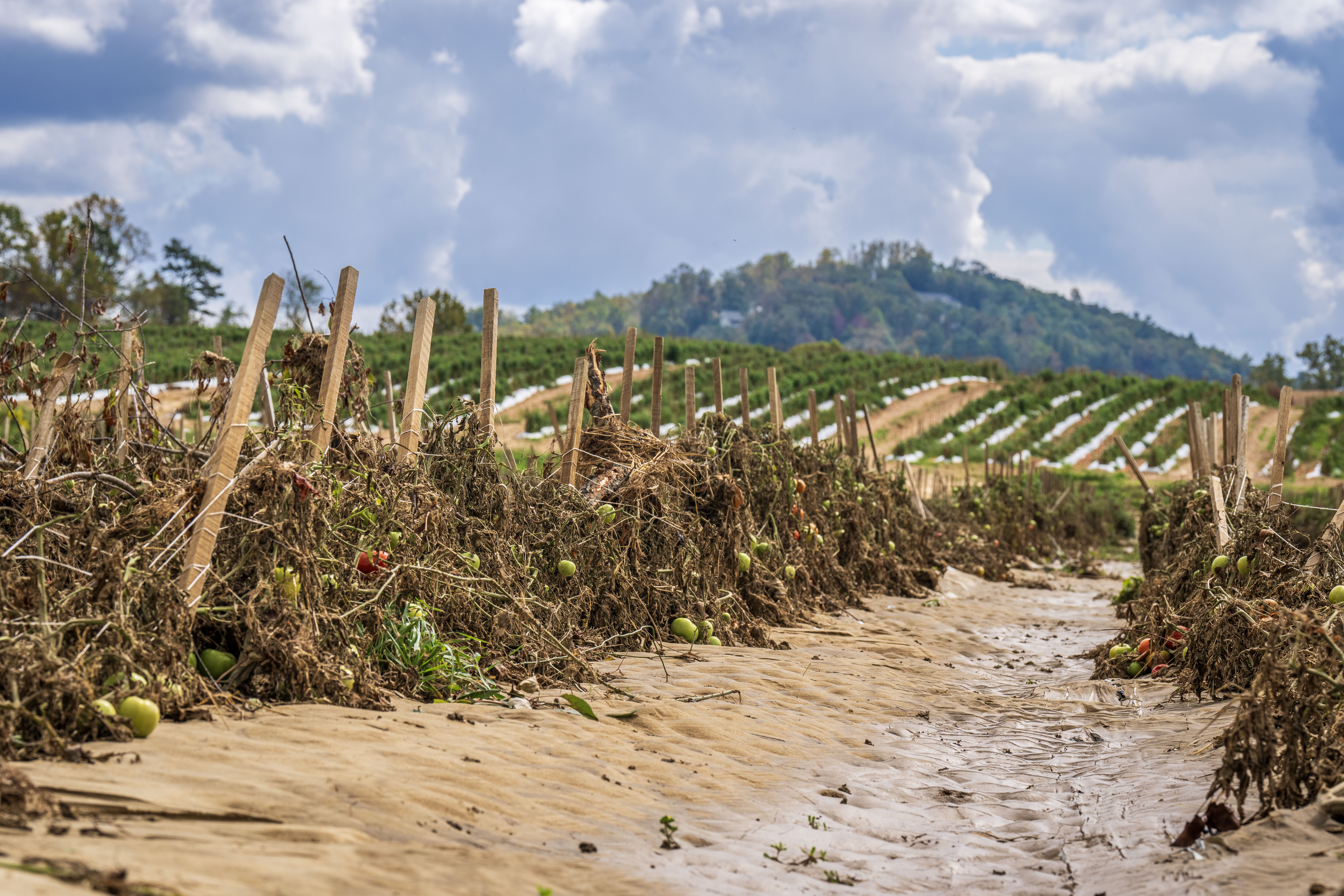
The farmlands in several districts including Vav-Tharad, Banaskantha, Patan, Kutch and Junagadh still remain waterlogged after weeks of rainfall. The chances of water receding from the field any time soon are slim, adversely affecting the sowing of Rabi crops.
Further, with the land remaining under water for over two months, the farmers are worried that the land may turn barren and non-fertile.
“The sowing of wheat can still wait for another 15 days but with the present condition, water is not likely to recede even in another 60 days. Most of the farmers in the villages of low-lying areas of Suigam, Vav, Tharad talukas including Bharadva, Kanothi, Lodrani, Asara and Nalodar are facing the worst situation of their lives. We have never seen such a situation,” Rajput tells The Indian Express.
Rajput says he lost all his castor, jowar and bajra crops to the heavy rainfall. “As of today, we cannot reach our farms even by tractors. More than 30 inch rainfall barely in three days in September had left nothing for the farmers,” he added.
Narsengabhai Patel, a farmer from Tharad, says, “No Rabi crops sowing can be done anytime soon.”
The government assistance comes with a ceiling of 2 hectares. This ceiling should be raised to at least 5 hectares. With this assistance, even the fuel cost of farmers is not covered. The government is still asking for evidence of the damages in the form of photos and videos. There is no requirement of that when they are well aware that the entire area is still flooded
– Narsengabhai Patel, a farmer from Tharad
Relief package:
The Gujarat government recently announced a relief package of Rs 10, 000 crore after a survey found that farmlands in nearly 16,000 villages spread over 42 lakh hectares were impacted by the unseasonal rainfall. On Saturday, Agriculture Minister Jitubhai Vaghani announced that the state government would buy paddy, jowar, bajra, corn and ragi under the Minimum Support Price (MSP) scheme from Monday, from 113 centres.
Even as the Gujarat government has announced relief packages worth Rs 11,138 crore for farmers for damages due to rains in the months of September and October, the farmers in several districts say they do not see the situation getting any better.
Narsengabhai Patel says, “The assistance announced comes with a ceiling of 2 hectares. This ceiling should be raised to at least 5 hectares. With this assistance, even the fuel cost of farmers is not covered. Farmers do not beg in front of anyone; they live their lives with dignity. The government is still asking for evidence of the damages in the form of photos and videos. There is no requirement of that when they are well aware that the entire area is still flooded. In villages like Nagla, Khanpur and Dedgam in Tharad, farms are waterlogged as high as 10 feet.”
On Wednesday, the state government claimed that more than 10 lakh farmers have registered for assistance under the Rs 10,000 crore relief package announced by Gujarat government for those affected by unseasonal rains in October and another 1.25 lakh farmers of the five affected districts have registered for the agricultural relief package announced against the heavy rains in September 2025.
Waterlogging has affected not only the farmers in the northern districts but also those in Junagadh too.
“More than 70 per cent of the nearly 200 sq km area of the Ghed area (below sea level) along the coastline from Mangrol to Dwarka is still waterlogged. It will take another month and a half for the land to dry,” Ashish Pithiya, a farmer, who has 70 bighas of land, tells The Indian Express.
On the adverse effects of waterlogging on the agricultural land, Pithiya says, “The salinity in the soil will increase. With inefficient sunlight, the land is no better. In a bigha where around 20-25 kg of seed is required, now farmers will be forced to use 40 kg of seed for sowing, that too after the water recedes. With unseasonal rain, the farmers lost their kharif produce and now with this delay, the cultivation of Rabi crops will drastically decline.”
Earlier this week, the state government also announced it would provide two additional hours of power supply instead of eight hours to farmers of six districts for cumin sowing. Narsengbhai Patel asks, “When our farmland is in such a condition and there is no sowing possible anytime soon, who would need electricity?”.
Source - https://indianexpress.com