Farmers across Kashmir are increasingly distressed by the adverse effects of climate change on agriculture and related sectors.While subtle changes had been noticeable over the past decade, the impact has become particularly severe since 2019.
Mohammad Ashraf, an apple grower from Shopian, recalled that the region used to receive significant snowfall during winters. “Hirpora and Dubjan would get up to 10 feet of snow, lasting throughout the season,” he shared. However, in recent years, snowfall has drastically reduced, impacting the quality, colour, and shelf life of apples.
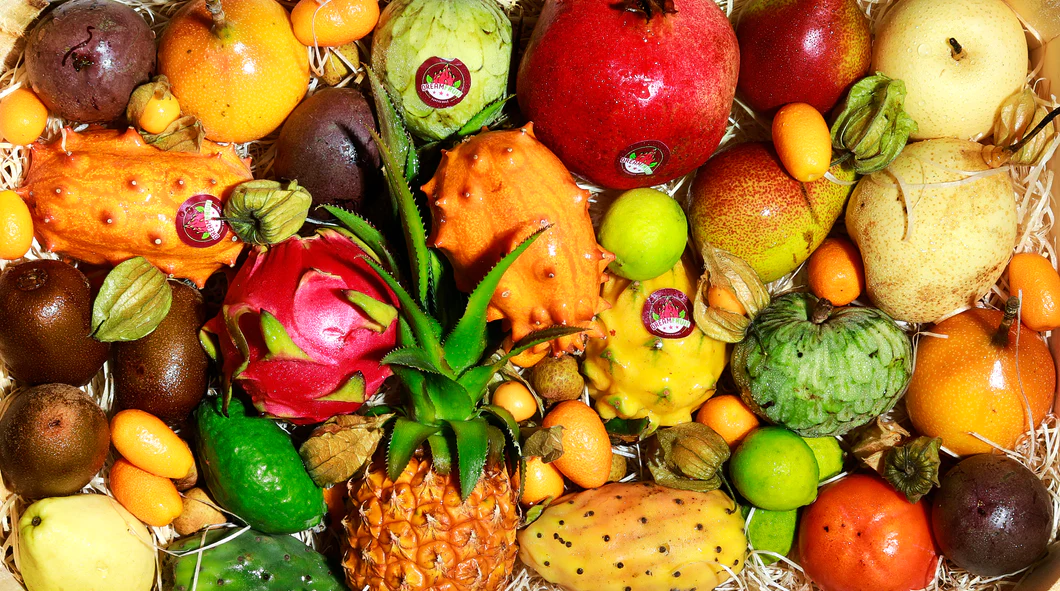
Ashraf explained that apple trees need between 500 to 1,600 chill hours in winter for high-quality fruit production. “Sufficient chill hours are why Washington produces the best apples,” he said. Reduced chill hours and warmer winters are causing early blooming in fruit trees, a situation that worries Ashraf, especially as the prevailing winter conditions are marked by insufficient soil moisture and a drop in the groundwater table. He believes Kashmir’s temperate climate is becoming warmer, and farmers may need to adapt by diversifying crops. He suggested introducing crops better suited to a warmer climate, such as oranges, grapes, and pomegranates.
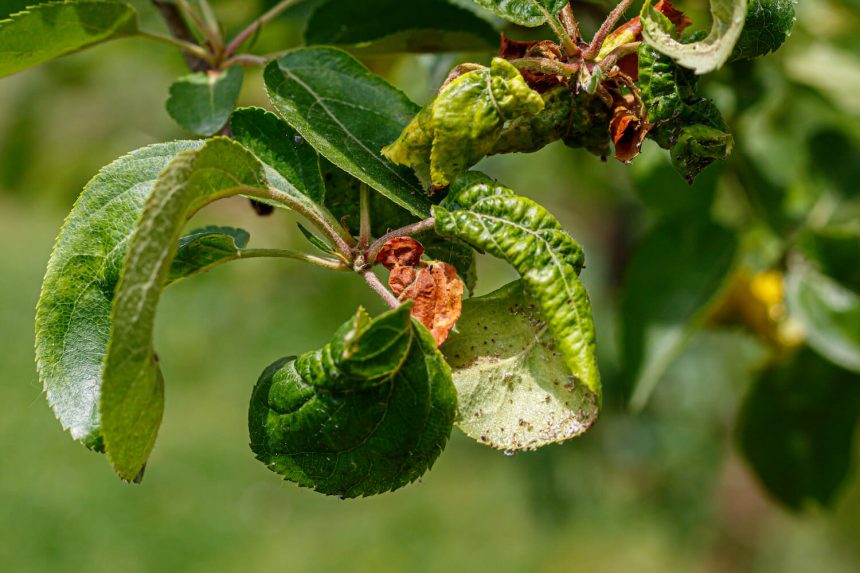
Tariq Ahmad, another apple grower from Shopian, pointed out that warm winters allow pests to break dormancy earlier, leading to multiple infestation cycles. “In the past couple of years, we have seen high pest activity, which has caused significant economic losses,” he said. He recalled that pests appeared as early as the flowering stage last year, making pest control more difficult. “Spraying pesticides at that stage affected both yield and quality,” he added. Besides apples, other crops are also being affected.
Sartaj Ahmad, Joint Director of Agriculture Production and Farmers Welfare, Kashmir, acknowledged the receding water levels and rising temperatures due to climate change in recent years. He shared with Rising Kashmir that January was the hottest on record in Kashmir.
“The abnormally high temperatures favour pest infestations,” he said, noting that increased temperatures have intensified insect infestations in apples, particularly aphids, mites, and leaf miners. Similarly, elevated temperatures trigger beetle infestations in collards, cabbage, and cauliflower, causing significant damage to these vegetables. Ahmad also noted that high temperatures lead to the production of certain enzymes that are harmful to temperate fruit trees.
The Joint Director highlighted that chilling requirements for a specific period are essential to ensure high-quality apple production. He also explained that rising temperatures cause water stress during June and July, adversely affecting vast crop areas.
Irshad Ahmad, a farmer from Patalbagh, Pulwama, who grows vegetables and saffron, reported reduced vegetative growth in crops like garlic, shallots, peas, and onions due to dry conditions following the sowing season. “Oil seeds failed to germinate, and young oat sprouts were scorched,” he said. Saffron, one of Kashmir’s most prized crops, has been particularly hard-hit. “Climate change has severely affected root formation and the multiplication of saffron corms, leading to a nearly 60% decline in seed production,” Irshad explained. He warned that these changes pose a serious threat to Kashmir’s saffron industry.
In response to the impact of climate change, the Agriculture Department has launched three projects under the Holistic Agriculture Development Programme (HADP): Integrated Farming System, Alternative Farming System, and the Promotion of Millets and Nutri-Cereals. These initiatives aim to mitigate the effects of changing climate patterns and support farmers in adapting to the new challenges.
Source - https://risingkashmir.com