Rajasthan faces a severe irrigation crisis as low water levels in Himachal's dams have halted supply in Indira Gandhi Canal. Farmers in Hanumangarh, Sri Ganganagar, and Bikaner struggle as crops dry up, sparking protests & urgent calls for water relief.
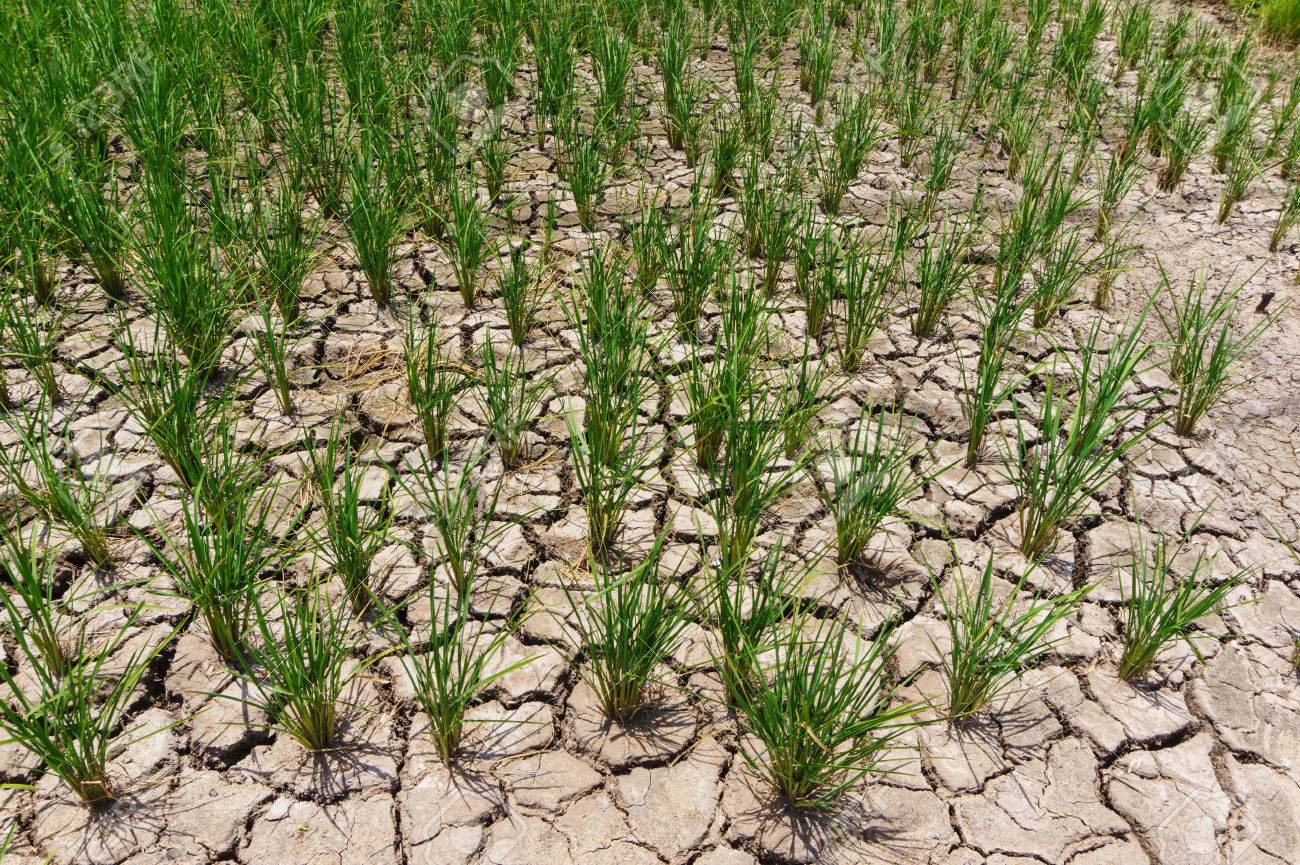
Rajasthan is facing a severe irrigation water shortage due to dropping water levels in Himachal Pradesh’s dams. Since February 1, water in the Indira Gandhi Canal has been reserved for drinking purposes, leaving farmers in Hanumangarh, Sri Ganganagar, and Bikaner districts struggling as their crops risk drying up.
According to Down to Earth, a January 29 meeting of the Bhakra Beas Management Board (BBMB) in Chandigarh decided to stop irrigation water supply in the Indira Gandhi Canal, allowing only 3,000 cusecs for drinking. Additionally, 850 cusecs was approved for the Bhakra Project. However, farmers argue that 1,200 cusecs are needed in Bhakra for proper distribution, and they demand 5,000–6,000 cusecs in the Indira Canal.
Farmers protest water crisis
Farmers are protesting in Hanumangarh, Sri Ganganagar, Ghadsana, Khajuwala, and Rawla due to water shortages affecting their crops. Resham Singh, a Kisan Sabha leader from Hanumangarh, expressed concern that wheat crops are drying up due to lack of irrigation water from the Bhakra area.
The latest Central Water Commission (CWC) report from February 6 confirms that water levels in Punjab and Himachal Pradesh’s dams are significantly lower this year than last. Experts warn this could impact irrigation and power generation in Punjab, Haryana, and Rajasthan.
The BBMB urged states to cautiously project their water demands. Rain and snowfall in Himachal Pradesh and Tibet are crucial for maintaining water levels in the Bhakra and Pong dams, which feed Rajasthan’s canals.
Currently, the four major reservoirs in Himachal Pradesh and Punjab hold 3.826 billion cubic meters (BCM) of water—25.8% of their capacity. Last year, they contained 6.357 BCM (42.9%). Normally, they should have about 6.840 BCM.
The situation is bad in Punjab’s Ranjit Sagar Dam, at 16% capacity, down from 26% last year. Similarly, Bhakra Dam’s water level is down by 15 feet from last year, while Pong Dam has dropped by 40 feet.
Impact on Rajasthan’s farmers
The Indira Gandhi Canal supplies irrigation water to Hanumangarh, Sri Ganganagar, Bikaner, and Churu districts, while Bhakra canals serve Hanumangarh and Sri Ganganagar. Additionally, 15 districts in Rajasthan rely on the Indira Canal for drinking water. With Pong and Bhakra dams running low, Rajasthan’s water supply has been severely impacted.
Normally, water inflows into these dams increase during the monsoon from May to September. However, due to low rainfall in 2023, Bhakra Dam was filled to 1,648 feet by September 20, against its full capacity of 1,680 feet. Similarly, Pong Dam reached 1,374 feet instead of 1,390 feet. Since then, water levels have continued to drop, reducing Rajasthan’s water share.
Experts say wheat crops need six irrigations until March to mature. However, due to water shortages, irrigation has been delayed, putting the crops at risk.
Charan Singh, a farmer from Meharwala village in the Indira Gandhi Canal area, said, “It’s been a month since we last irrigated our wheat crop. Now the temperature is rising. If we don’t get water soon, our crops will be ruined.”
Source - https://groundreport.in