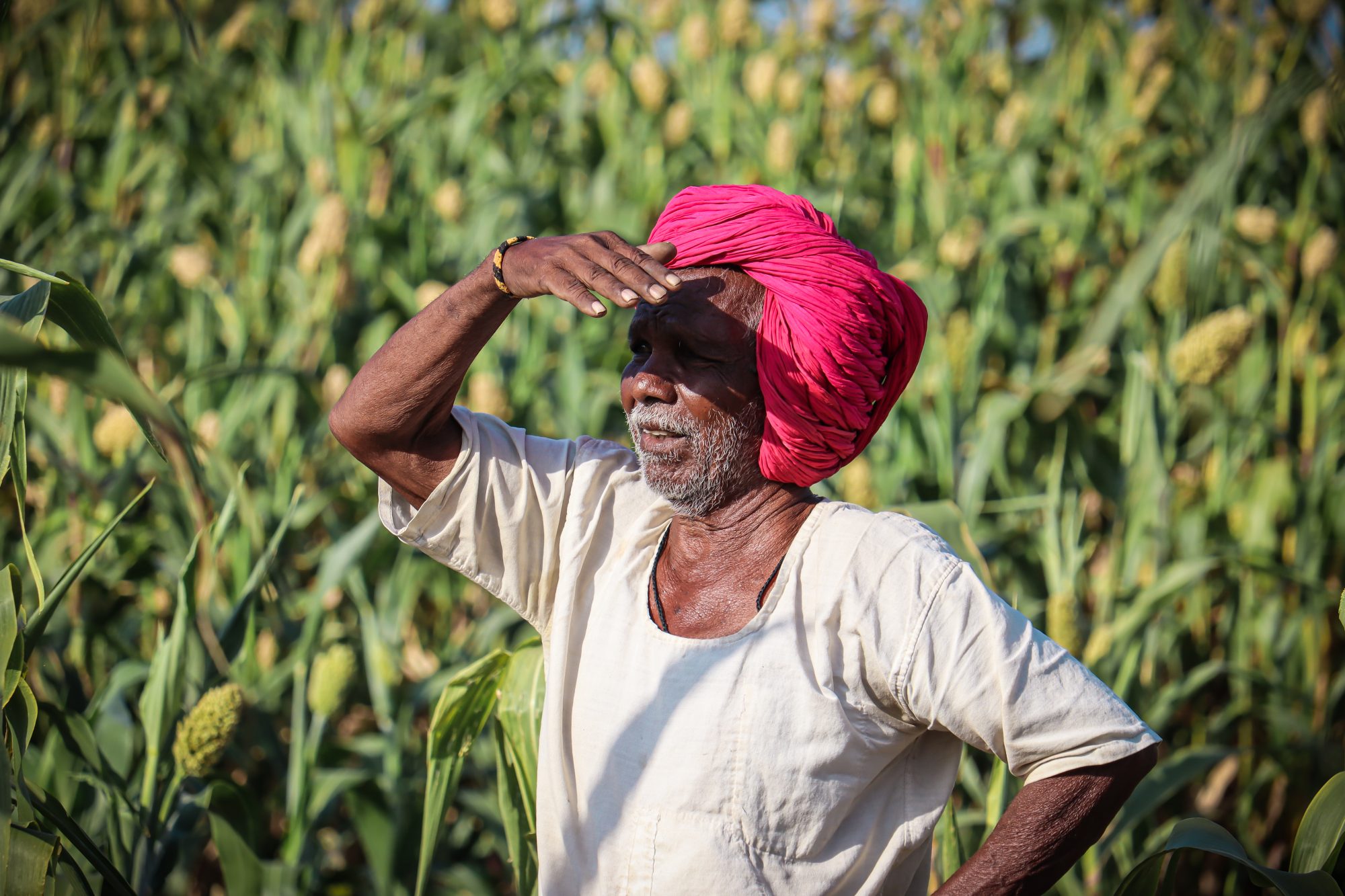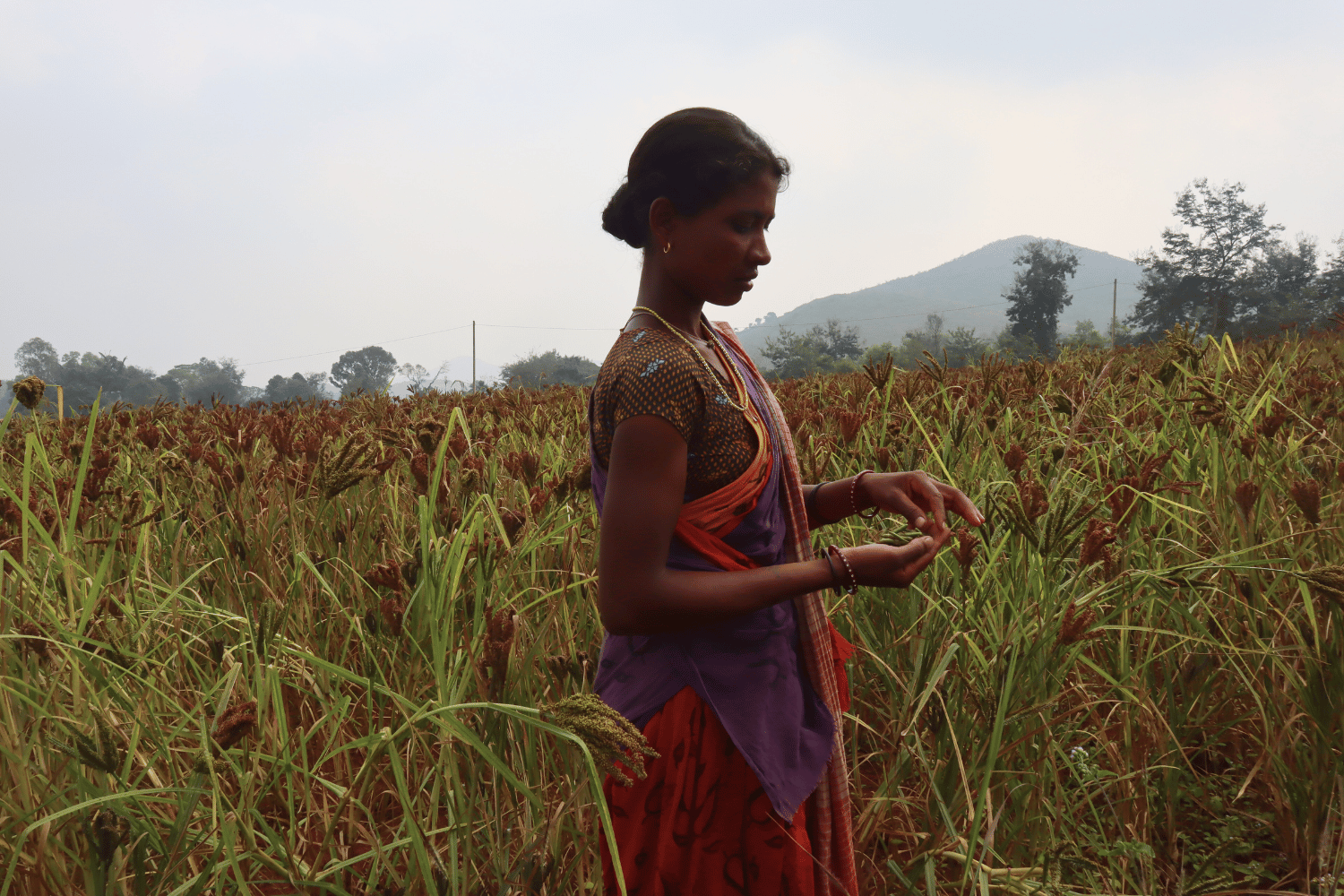
As Indonesia’s insurance sector continues to grow, one segment remains notably underdeveloped yet holds immense potential: agricultural insurance. With nearly 28.79% of the Indonesian workforce engaged in agriculture, addressing the sector’s unique risks through insurance could be transformative. The Financial Services Authority (OJK) has spotlighted agricultural insurance as a key area for expansion, highlighting its crucial role in protecting farmers from various adversities, including climate change, natural disasters, and pest infestations.
Agricultural insurance might not be the first thing that comes to mind when people think about insurance. Most people associate insurance with life, health, or accident coverage. However, agricultural insurance is a vital but often overlooked sector. This type of insurance includes various forms, such as crop insurance, livestock insurance, and fisheries insurance, each tailored to mitigate specific risks faced by farmers and fishers.
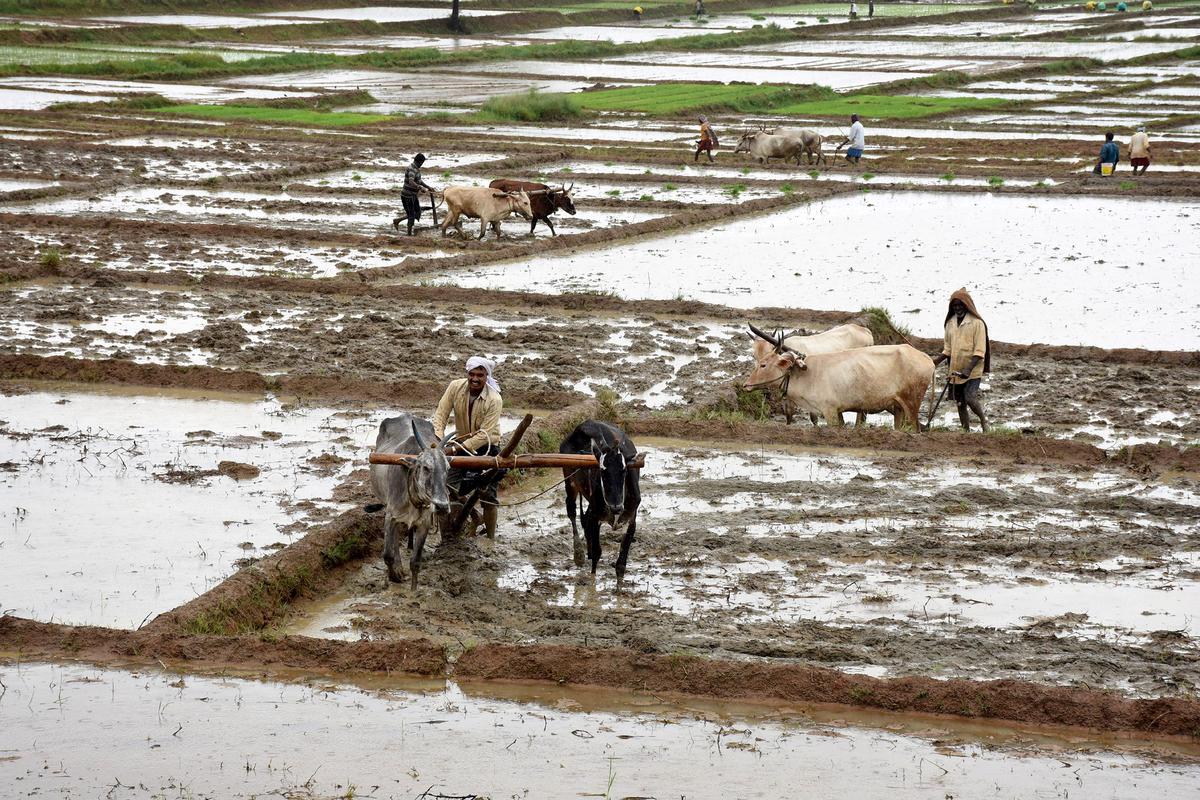
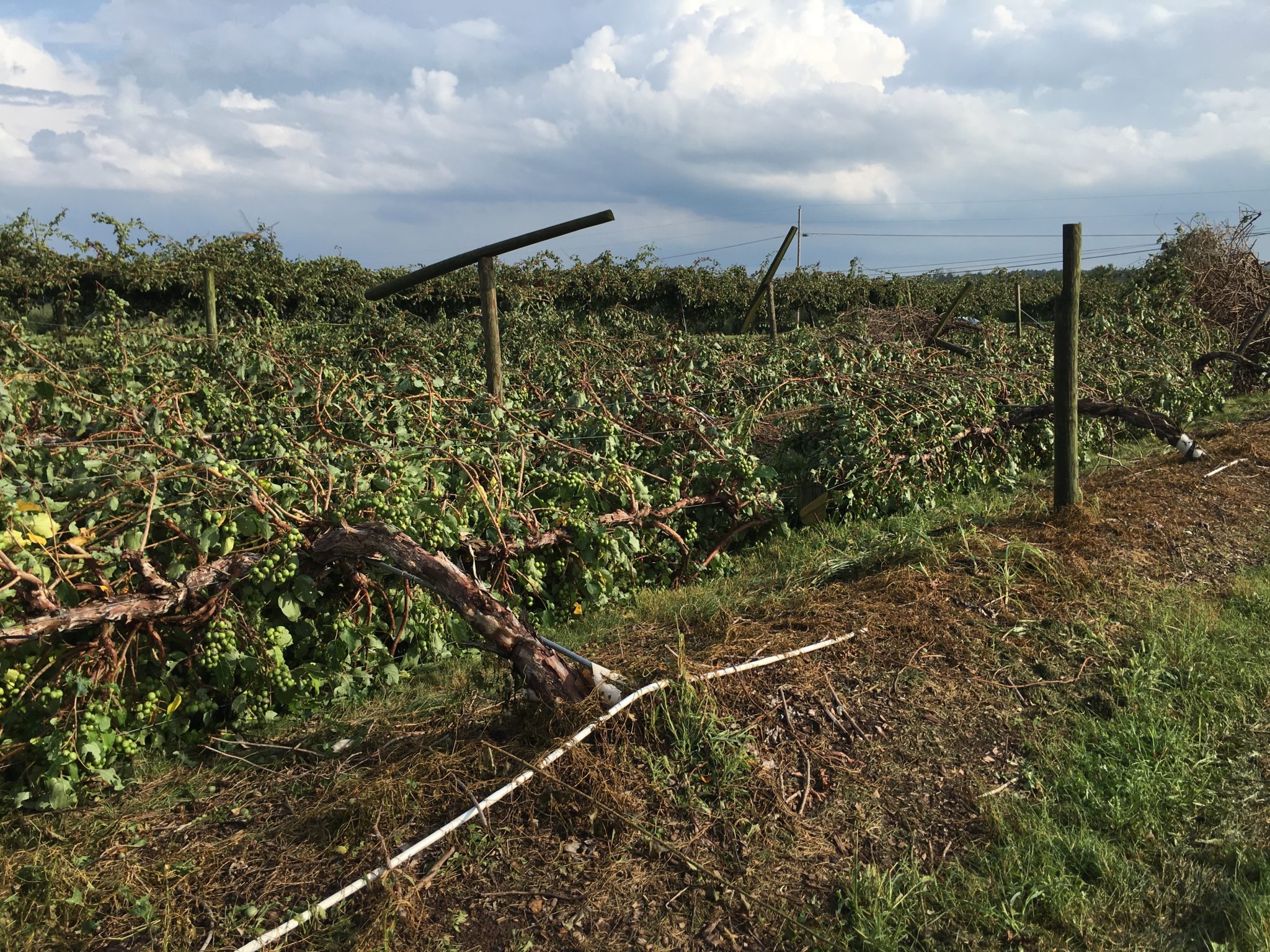
Agriculture is a cornerstone of Indonesia’s economy, yet it is highly susceptible to a range of risks. Floods, droughts, and pest attacks can devastate crops, causing significant financial losses for farmers. Agricultural insurance is designed to offer financial protection, providing compensation in the event of crop failure and helping farmers recover from their losses. This safety net not only supports individual farmers but also contributes to national food security by encouraging investment in advanced agricultural technologies and improving overall productivity.
The potential for expanding agricultural insurance in Indonesia is substantial. OJK has emphasized the need for growth in this sector. Ogi Prastomiyono, Head of the Insurance, Guarantee, and Pension Fund Supervisory Executive (PPDP) at OJK, has pointed out that while there are existing programs for crop insurance through Asuransi Jasa Indonesia (Jasindo), the coverage remains limited.
“Based on data from 2023, this program only covers about 400,000 farmers,” Ogi stated in a recent press release on Tuesday (10/9/2024). This figure represents a fraction of the total number of farmers in Indonesia, indicating a significant gap in coverage and a considerable opportunity for growth.
Ogi noted that OJK is prepared to support the expansion of agricultural insurance programs. The authority is committed to bridging the protection gap in the agricultural sector and enhancing the market’s reach. Various insurance products, including parametric insurance developed by ten national insurance companies, are already available. However, further efforts are needed to broaden their use and accessibility.
Collaborative efforts are essential for the successful expansion of agricultural insurance. Ogi emphasized the importance of working with stakeholders such as the Ministry of Agriculture and the National Development Planning Agency (Bappenas). A consortium approach will be adopted to distribute risks and resources among multiple insurance providers, fostering a more robust and inclusive insurance market for agriculture.
As Indonesia prepares for a new presidential term, the incoming president, Prabowo Subianto, has outlined ambitious plans to strengthen the national food sector. Finance Minister Sri Mulyani Indrawati revealed that the president-elect’s agenda includes significant initiatives to enhance agricultural productivity and insurance coverage.
Prabowo’s plan involves establishing food estates in Central Kalimantan, North Sumatra, and East Nusa Tenggara. Additionally, the plan includes creating 250,000 hectares of new rice paddies and another 250,000 hectares for corn cultivation. There are also proposals to construct 12 new dams, expand agricultural land by 20.4 square kilometers, and extend agricultural insurance coverage to 1 million hectares.
This comprehensive program aims to bolster national food security and increase the reach of agricultural insurance. By investing in these initiatives, the government demonstrates a commitment to supporting Indonesian farmers and addressing their vulnerabilities.
Despite the promising outlook, several challenges must be addressed to fully realize the potential of agricultural insurance in Indonesia. One major challenge is raising awareness among farmers about the benefits and availability of insurance. Many farmers may not be aware of the protection that agricultural insurance can offer or how to access these products.
Another challenge is designing insurance products that are tailored to the specific needs of Indonesian farmers. This requires understanding the diverse risks faced by different types of agricultural activities and creating policies that offer adequate coverage. Additionally, the cost of insurance premiums must be manageable for farmers, who often operate with tight budgets.
To overcome these challenges, a multi-faceted approach is needed. This includes increasing educational efforts to inform farmers about insurance options, developing innovative insurance products that cater to local needs, and providing financial support or subsidies to make insurance more affordable. Collaboration between government agencies, insurance companies, and agricultural organizations will be crucial in driving these efforts.
The potential for agricultural insurance in Indonesia is vast. By expanding coverage and improving accessibility, this sector can provide crucial support to farmers, enhance food security, and contribute to the overall resilience of Indonesia’s agricultural sector. With the support of OJK, government initiatives, and collaborative efforts, agricultural insurance can become a cornerstone of Indonesia’s strategy to safeguard its farmers and promote sustainable agricultural practices.
Source - BizIndo