A Washington State University study in northern Tanzania has shown simple and affordable surveillance methods for investigating miscarriages, or spontaneous abortions, in livestock could help to limit the spread of diseases that threaten both animal and human health.
In regions like Tanzania, livestock are essential to food security and economic stability, but data on reproductive losses are rarely collected. This lack of reliable data on the cause of losses leaves farmers vulnerable to losses and increases the chances of zoonotic infections — those that spread between animals and humans.
“Understanding the causes of livestock abortion is important for safeguarding both animal and human health,” said Felix Lankester, the study’s lead researcher and an associate professor in the WSU College of Veterinary Medicine’s Paul G. Allen School for Global Health. “These efforts help us to identify which pathogens are causing fetal loss, which in turn will enable targeted disease control measures to be considered. Improvements in livestock health is vital as it contributes enormously to the building of resilience for farmers and their communities.”
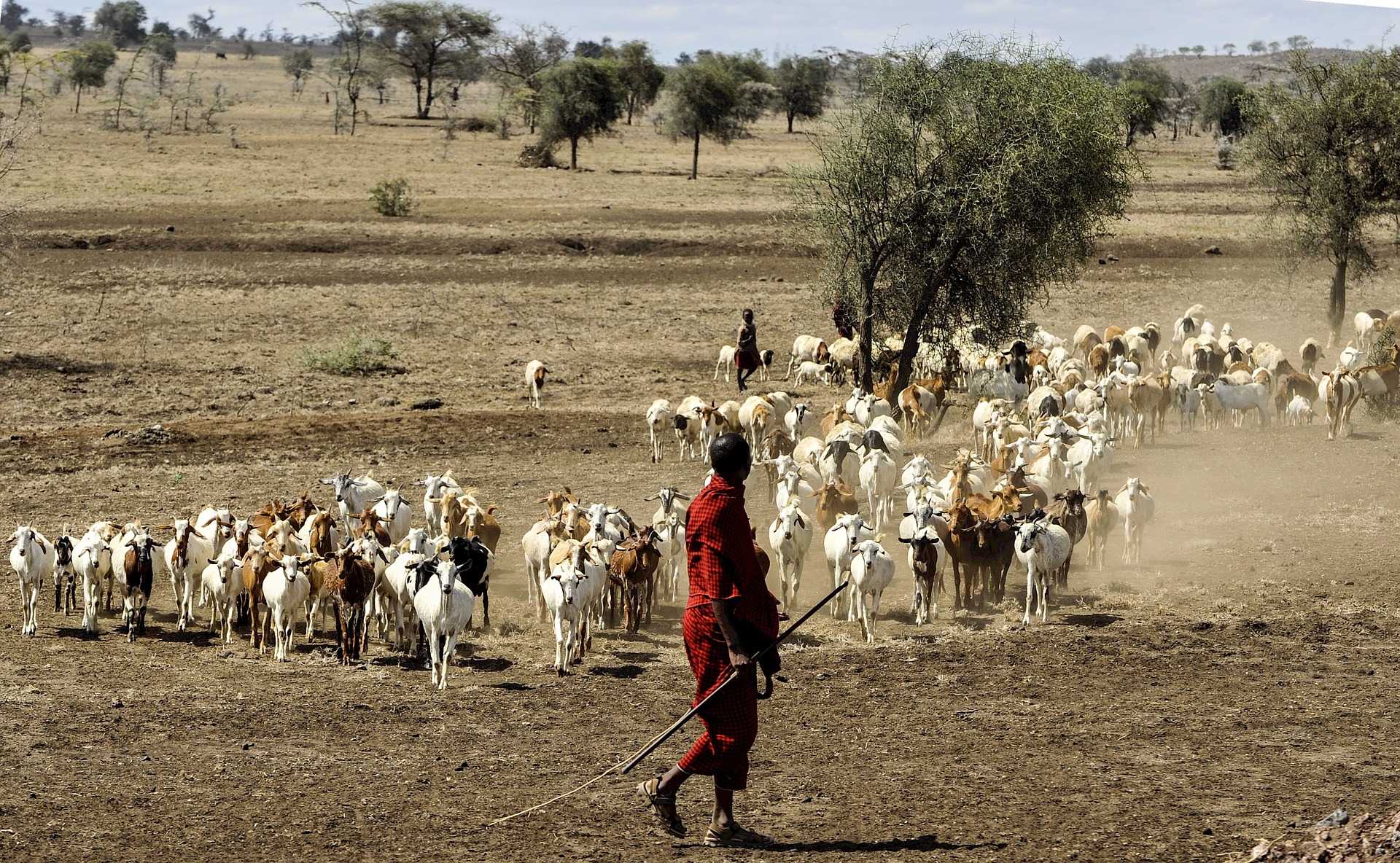
Published in eLife, the study examined 215 abortions in cattle, sheep, and goats between 2017 and 2019 in northern Tanzania. Farmers were asked to report incidents of spontaneous abortions to livestock field officers, who passed the information to investigation teams. These teams worked with livestock field officers to collect samples and gather data on the potential pathogens involved as well as the factors that might be impacting the incidence of abortion, such as livestock breeds and seasonal patterns.
Pathogens were identified as the cause of the abortion in only 20% of cases due to delays and difficulties in sample collection, and also because not all abortions are caused by infections. Of the cases that were attributed to a pathogen, 80% were determined to be zoonotic pathogens with the potential to infect humans. The researchers also found in about a quarter of cases, a person assisted with the aborted delivery, most likely without the use of personal protective equipment, putting them at risk of becoming infected.
The study also highlighted how accurate data can challenge long-held misconceptions. Brucellosis, for example, was believed to be a leading cause of spontaneous livestock abortions in Tanzania, but the study identified just one case. The most common pathogens were Rift Valley fever virus (6.6%), Neospora caninum (4.7%), pestiviruses (4.2%) and Coxiella burnetii (2.8%).
Reasearchers also noted several findings that can help improve testing efficiency and herd management going forward. The team found vaginal swabs, which are easier to collect than those from the placenta or aborted fetus (which is often rapidly eaten by scavengers or thrown away), were the most effective at detecting abortion-causing infectious agents. Additionally, livestock with a history of spontaneous abortions were more likely to experience repeat incidents, which suggests a pathogen may be the cause and that, through surveillance and accurate diagnosis, managing these animals by removing them from the herd might improve productivity. Abortions were more frequent in non-local breeds, which could hint at a potential resistance in, and value of, indigenous breeds of livestock.
“This study shows effective disease surveillance doesn’t have to be complex or costly,” Lankester said. “By using simple, community-based methods, we can empower farmers to play an active role in protecting their herds and reduce the threat of disease in even the most resource-limited settings.”
Lankester said further research could explore the scalability of abortion surveillance, including rapid point-of-care testing and mobile technology for faster reporting and data integration into national disease surveillance systems. Such advancements could provide farmers and health officials with tools and data to reduce livestock losses and limit human health risks.
The study was funded by the University of Edinburgh and the Biotechnology and Biological Sciences Research Council and was implemented by University of Glasgow (U.K.), Nelson Mandela African Institute of Science and Technology (Tanzania) , Kilimanjaro Clinical Research Institute (Tanzania), Moredun Research Institute (U.K.), Edinburgh Napier University (U.K.), University of Otago (New Zealand), Ministry of Livestock and Fisheries (Tanzania), and Washington State University (U.S.).
Source - https://news.wsu.edu