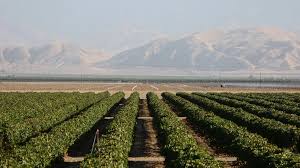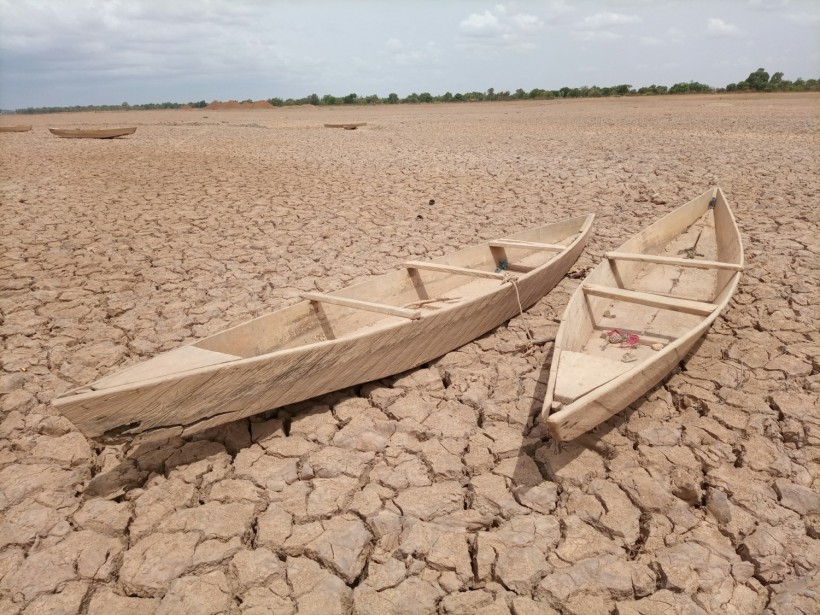
The country has experienced a significant decrease in rainfall, exacerbating existing challenges in food production and water management.
Iraq faces an escalating water crisis that poses a severe threat to its agricultural sector and overall water resources, with experts warning of catastrophic consequences if urgent measures are not implemented.
The country has experienced a significant decrease in rainfall, exacerbating existing challenges in food production and water management.
Water expert Ramadan Hamza has sounded the alarm, stating that "the lack of rain directly affects agricultural crops that depend on rainwater."
He emphasized that farmers should have been advised earlier to adopt alternative irrigation methods to mitigate the impact of reduced precipitation.
Climate Change and Water Mismanagement
Beyond decreased rainfall, Hamza highlighted the compounding effects of climate change, which not only increases droughts but also contributes to irregular floods due to poor water resource management.
The crisis is further intensified by outdated infrastructure and inefficient water distribution systems, leaving Iraq highly vulnerable to climate-related disruptions.
As a solution, Hamza advocates for a transition toward smart agriculture, urging the adoption of modern irrigation techniques such as sprinkler and drip irrigation systems.
Additionally, he stresses the importance of investing in water infrastructure, including the renovation of dams and enhanced water collection mechanisms.
Sustainable agricultural policies prioritizing water-efficient crops are also key to addressing the crisis.
Regional Cooperation and Policy Reforms
Another critical factor in Iraq’s water crisis is the country’s reliance on transboundary water sources, particularly the Tigris and Euphrates rivers, which originate in Turkey and Iran.
Hamza underscored the need for diplomatic efforts to ensure a fair water quota distribution among Iraq’s provinces and to negotiate equitable agreements with neighboring countries.
Water disputes between Iraq and upstream nations have intensified in recent years, as Turkey and Iran continue to construct dams that restrict water flow into Iraq.
These developments have further strained Iraq’s ability to secure adequate water resources, increasing the urgency for international negotiations and policy interventions.
A Long-Term Vision for Sustainability
Hamza stressed that tackling Iraq’s water crisis requires a comprehensive, long-term strategy integrating government initiatives with public cooperation.
"Addressing these challenges necessitates a unified approach that ensures water sustainability and protects Iraq’s food security," he stated.
The government must prioritize investments in water-saving technologies and enforce policies that curb water wastage.
Without decisive action, Iraq risks facing severe agricultural losses, food shortages, and economic instability, making water management a national security imperative.
As Iraq grapples with its worsening water crisis, experts and policymakers alike agree that the time for action is now. Implementing modern water management practices and strengthening regional cooperation will be essential to safeguarding Iraq’s future water security.
Source - https://www.kurdistan24.net