The Dairy Research Institute in Naivasha, a division of the Kenya Agricultural and Livestock Research Organisation (KALRO), has announced plans to triple its fodder production and double its livestock numbers in the coming years.
The initiative will see the institute expand its cultivation of Lucerne from the current 165 acres to 500 acres to meet the feeding needs of its livestock growing-population at its expansive 3,000-acre farm.
According to the institute’s Director, Dr Samuel Mbuku, these goals will be achieved by upgrading and expanding the farm’s irrigation system to enhance Lucerne production, which has been identified as a key ingredient for boosting livestock productivity.
Speaking during a field event in Naivasha, Dr Mbuku said the institute would also harness Artificial Insemination (AI) technology to increase livestock numbers and improve production, all aimed at strengthening internal revenue streams amidst dwindling government funding.
“Within the next few years, we plan to triple our Lucerne cultivation from the current 165 acres to 500 acres and double our livestock numbers to boost our earnings,” said Dr Mbuku.
Dr. Mbuku added that the institutes have been showcasing various technologies, innovations, and management practices to hundreds of farmers, equipping them with knowledge to enhance their livestock production and earnings.
Dr. Mbuku added that farmers also rely on the institute to purchase planting materials, livestock genetic resources, and breeds, including the Sahiwal cattle breed, which has gained popularity among smallholder farmers for its productivity and its capacity to withstand harsh weather conditions.
So far, the institute has been so far recognized as a leading centre for research in the African continent in areas involving livestock such as cattle, KARLO indigenous Kenyan chicken, pigs and goats amongst others.
Dr Mbuku further stated that the institute is conducting research into climate-smart fodder and pasture varieties capable of withstanding extreme weather conditions caused by climate change, such as prolonged droughts.
“These technologies have led to the development of improved livestock breeds that produce more milk and beef with minimal inputs compared to exotic genotypes,” he said.
He noted that crossbreeding research had resulted in higher milk production, with some breeds averaging 25 litres per day under pasture-based systems adding that the institute is now working on mass multiplication of these breeds to reach more farmers.
Additionally, he highlighted some of the climate resilient fodder crops the institute has invested in, including Lucerne, brachiaria grass, and sweet potato vines, which farmers can adopt to improve livestock yields and earnings.
Dr Mbuku said the institute, in collaboration with partners, has put measures in place to multiply and distribute improved livestock breeds at affordable prices to help bridge the country’s annual milk production deficit.
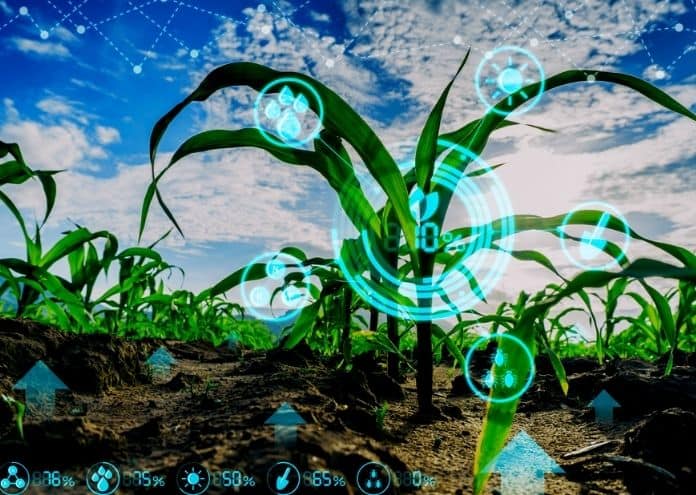
The Director also revealed that the institute has invested in modern ICT systems that provide farmers with timely updates via SMS on new livestock and crop technologies, as well as weather patterns, through the Kenya Agricultural Support Platform.
He commended the government for introducing the E-Citizen single-pay bill system, which has improved accountability and boosted the institute’s revenues, adding that initial challenges during its rollout have now been resolved.
“Going forward, we aim to provide farmers across the country with these innovative livestock and crop technologies to meet growing demand and help them improve their production and earnings,” said Dr Mbuku.
Joseph Murago, a farmer from Molo, expressed optimism about the field day, stating that it would provide farmers with vital insights into modern technologies and best farming practices.
Murago added that the event, which targets small scale farmers, would help them scale up their production and encourage young people to take advantage of opportunities in the agricultural sector which promises good returns.
Eunice Mamo, a farmer from Nyandarua, said the KALRO field day would be instrumental in teaching farmers about silage production to help them sustain their livestock during dry seasons.
“As a farmer, I have learnt a lot about the best livestock breeds and pig rearing, which I plan to invest in,” said Mamo.
Source - https://www.kenyanews.go.ke