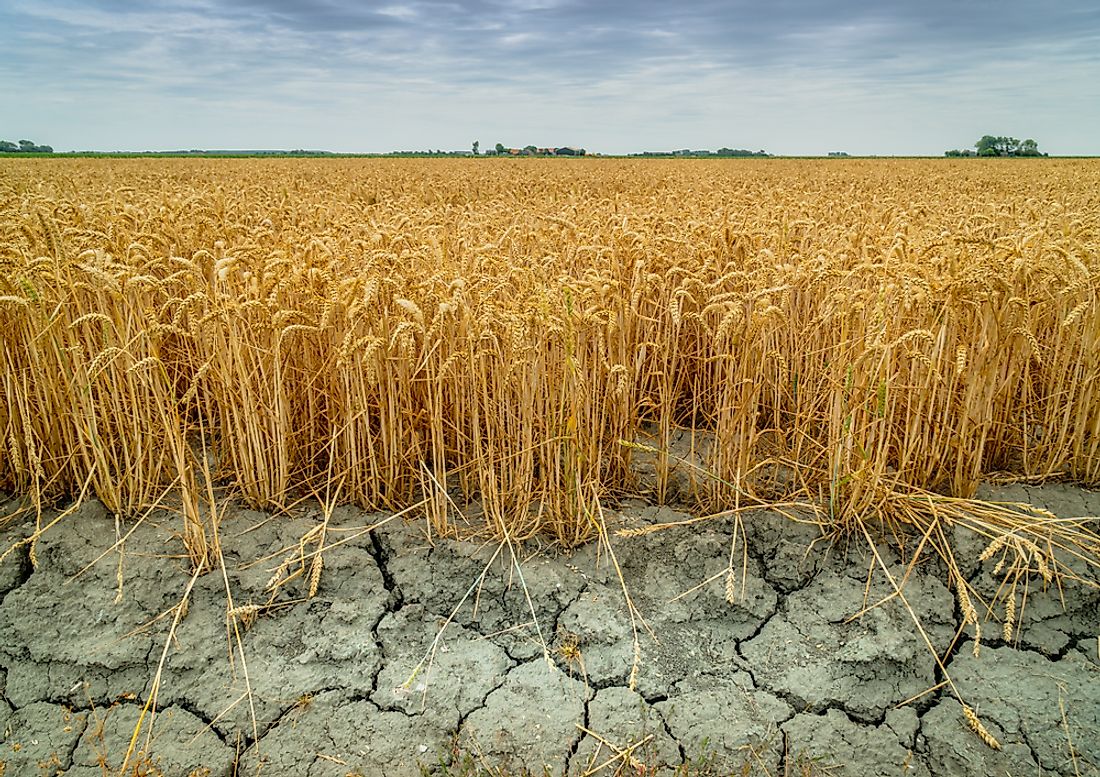
A prolonged drought in Morocco is causing serious problems for the agricultural sector. Local Authorities predict that the 2024 wheat harvest will be reduced by almost 50 per cent.
The Arab Spring happened during a drought and raising wheat prices. Can we expect upheaval in the Magreb connected to this prolonged drought?
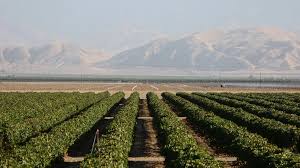
This image above, acquired by one of the Copernicus Sentinel-2 satellites on 3 August 2024, shows the province of Sidi Kacem, once the heart of cereal production in Morocco, but largely uncultivated this year due to a lack of water to irrigate crops.
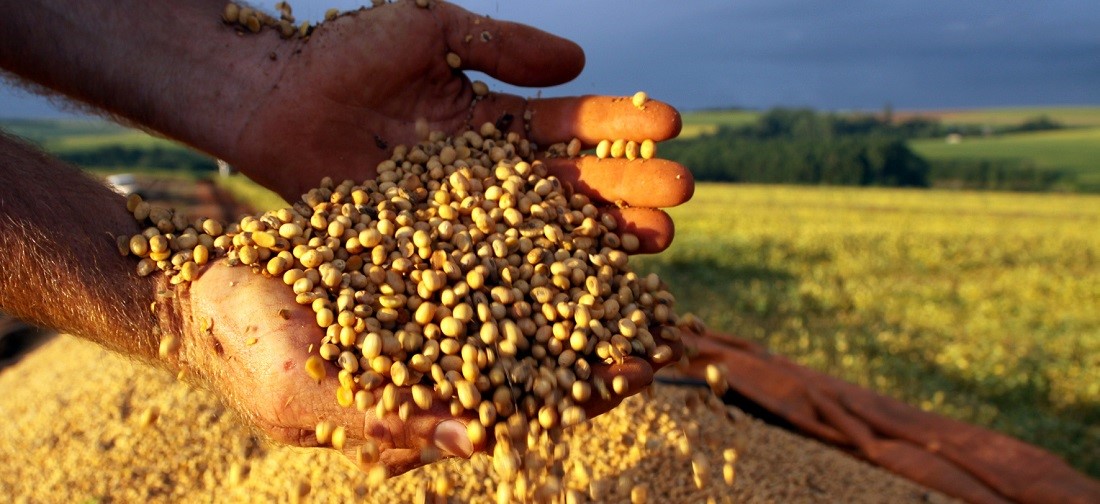
According to the UN unit to combat desertification, Morocco is facing a severe crisis that threatens its agriculture and food security. A six-year drought, exacerbated by climate change, has deeply impacted the country’s cereal farmers, whose fields of wheat, maize, and barley once sustained both human and livestock consumption.
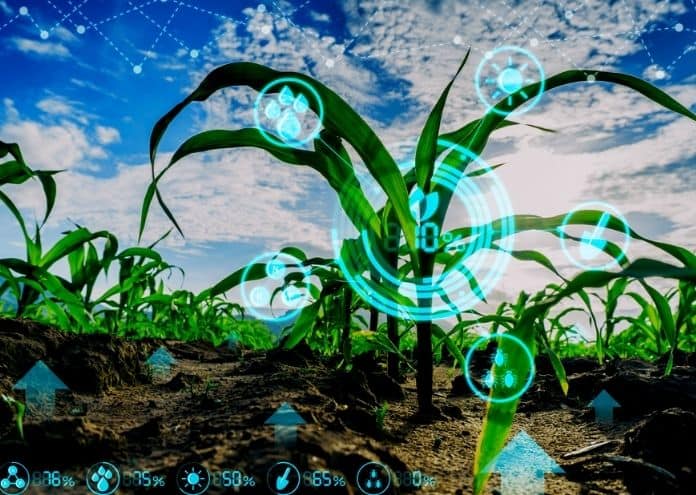
The drought has not only reduced crop yields but has also transformed Morocco’s agricultural landscape, leading to significant economic and social challenges. As Morocco grapples with these difficulties, the government and agricultural sector are employing innovative strategies to combat the water crisis and safeguard the nation’s food supply.
Moroccan agricultural production consists of wheat, oranges, tomatoes, potatoes, olives, and olive oil. They also grow argan seeds for Moroccan oil.
The Impact of Drought on Morocco’s Agriculture
Morocco’s agriculture sector is highly vulnerable to changing climate patterns, especially the delayed and inconsistent rainfall that has plagued the country for years. Cereals, which occupy the majority of Morocco’s farmland, have seen a dramatic decline in both yield and acreage.
In 2023, Morocco’s wheat harvest is projected to yield only 3.4 million tons, compared to the 6.1 million tons harvested the previous year. This decline has forced many farmers to leave their fields fallow, reducing both productivity and income.
The ongoing drought has also led to a reliance on wheat imports to meet domestic demand. Between January and June 2023, Morocco imported nearly 2.5 million tons of wheat, primarily from France.
However, this solution may not be sustainable, as France itself faces declining harvests due to similar climate challenges. The Food and Agriculture Organization ranked Morocco as the sixth-largest wheat importer in the world in 2023, highlighting the growing dependence on external sources for staple foods.
Recognizing the severity of the drought, the Moroccan government has intensified its efforts to address the country’s water scarcity. One key initiative is the implementation of a national water management strategy, aligned with guidelines set out by King Mohammed VI. This comprehensive strategy aims to mitigate the impact of the drought through water conservation measures and the diversification of water sources.
Seawater desalination has emerged as a cornerstone of Morocco’s water management efforts. Currently, the country operates 12 desalination plants with a total capacity of 179.3 million cubic meters of water per year. Morocco is also building desalination plants with France.
Plans are in place to construct seven additional desalination plants by 2027, which will increase capacity by another 143 million cubic meters. This ambitious plan reflects Morocco’s commitment to addressing its annual water demand, which exceeds 16 billion cubic meters—87% of which is used for agriculture. Yet, over the past five years, available water resources have not surpassed 5 million cubic meters annually, underscoring the gravity of the situation.
Source - https://www.greenprophet.com