When Mariam Hamzat was an undergraduate in Nigeria studying environmental biology, she saw farmers from surrounding areas sell their produce, but at a fraction of its value.
“Farmers grow cashews, and companies send people down to buy them, but they cheat the farmers,” said Hamzat, who is working on her Ph.D. in marine and environmental sciences at Northeastern University. “Farmers have to take their products out of town most of the time.”
In rural Africa, instead of using raw materials grown nearby, local businesses import the goods they need. This disconnect between farmers and companies leads to massive overproduction and waste, Hamzat said, so she is teaming up with three Northeastern chemical engineering graduate students to develop a way to address the $4 billion annual post-harvest crop loss in sub-Saharan Africa.
They call the approach AgriQ-Connect, a third party in the supply chain designed to educate farmers about which products are needed and make businesses aware that there are abundant raw materials available nearby. As an app, AgriQ-Connect will serve as a marketplace for transactions between manufacturers and farmers.
AgriQ-Connect won first place at the inaugural MIT Africa Business Challenge hackathon, where the goal was to create innovative and sustainable solutions in the food security, health care and finance sectors.
Team member Azeez Akinyemi worked at Nestlé in Nigeria before coming to the U.S. for graduate work.
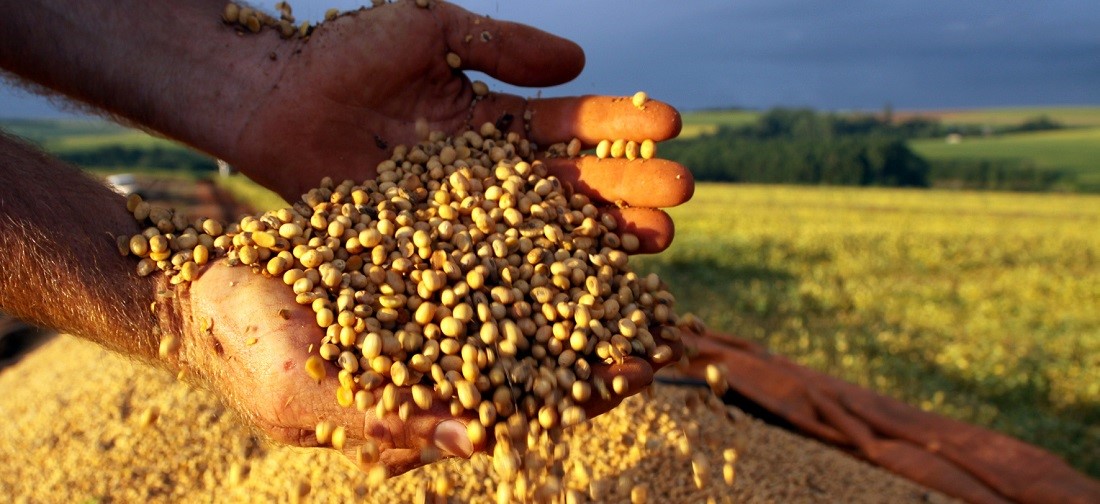
“All the soy beans that were used for production were imported, and there are many nearby farmers who actually plant these crops every year, but their crops are spoiled because the farmers are unable to sell,” he said. “As Nigerians, we are able to identify the holes in the ways that agricultural products are processed.”
More in Science & Technology

What is ‘gain of function’? Why scientists are divided about the risk and benefits of experimenting with deadly viruses
Is AI revolutionizing rehabilitation care? This Northeastern expert is digging deep on the issue

Is AI revolutionizing rehabilitation care? This Northeastern expert is digging deep on the issue
Are UFOs spawning a new religious movement?

Are UFOs spawning a new religious movement?

Why would someone hack into schools? Northeastern cybersecurity experts explain why they are easy targets
Businesses may not know there are local producers of the raw materials they need, Akinyemi said, and farmers often don’t know who needs their products. The goal of AgriQ-Connect, he said, is to “connect them so that they can create a supply chain where it can be sustainable and also create job opportunities within Nigeria.”
Farmers who do sell their products often earn less than market rates, Hamzat said. Unscrupulous middlemen offer low prices for products they know will go bad if they aren’t sold soon.
“If it spoils, it’s a 100% loss,” Hamzat said. “But if someone comes and offers 50% of what it’s worth, you have no choice but to sell it. That’s the typical experience.”
The broken supply chain leads to huge amounts of wasted produce. Unsold crops languish out in the open and simply rot or are stored in inadequate facilities, said team member Qudus Rafiu. Farmers produce more than they can sell, which creates a storage problem.
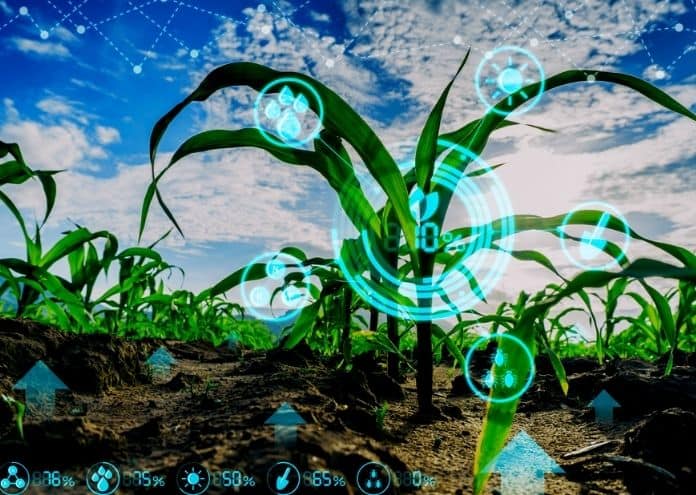
AgriQ-Connect includes plans for AI-integrated silos, where the temperature and moisture levels can be changed depending on what needs to be stored. Perishable produce requires different conditions than grain, for example. The silo the students are designing can be regulated to meet specific needs, said team member Toheeb Obidara.
“The beautiful thing about this idea is that everything will be incorporated on the platform,” he said, referring to the project’s app and website. “We can monitor in real time what happens in the silo based on real data.”
Source - https://news.northeastern.edu