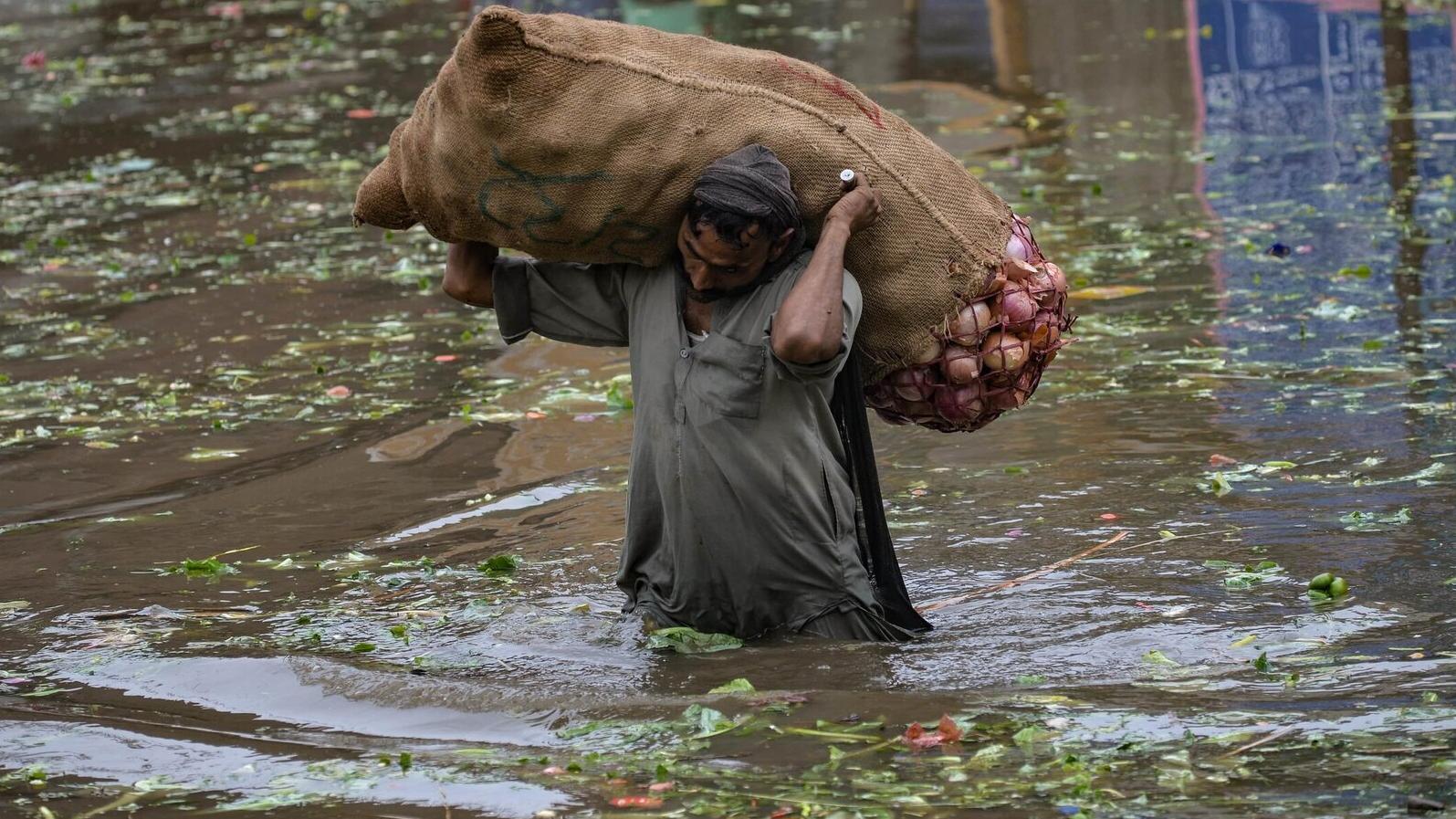
The president of a leading farmers association this week estimated that losses from devastating floods in Pakistan’s breadbasket province of Punjab may have already caused losses in billions of rupees for farmers, while financial analysts feared the impending shortage of agricultural commodities could lead to inflation and impact exports.
Heavy monsoon rains and excess water released by Indian dams have caused catastrophic floods in Punjab since last week. According to the Provincial Disaster Management Authority (PDMA), at least 41 people have been killed by the deluges in the last 10 days while over two million have been affected by the floods.
The destruction brought about the heavy rains have raised the death toll from floods and heavy rains this monsoon season to 863, as per the National Disaster Management Authority’s (NDMA) latest situation report. Pakistan’s northwestern Khyber Pakhtunkhwa (KP) province has reported the highest deaths since Jun. 26, 484, while Punjab has reported 216 deaths, Sindh 58, northern Gilgit-Baltistan (GB) 41, Azad Kashmir 30 and Balochistan 28 deaths. Islamabad has reported eight casualties so far from rain-related incidents. A total of 9,166 houses have been damaged by the floods across the country while 6,180 livestock have perished, according to the NDMA.
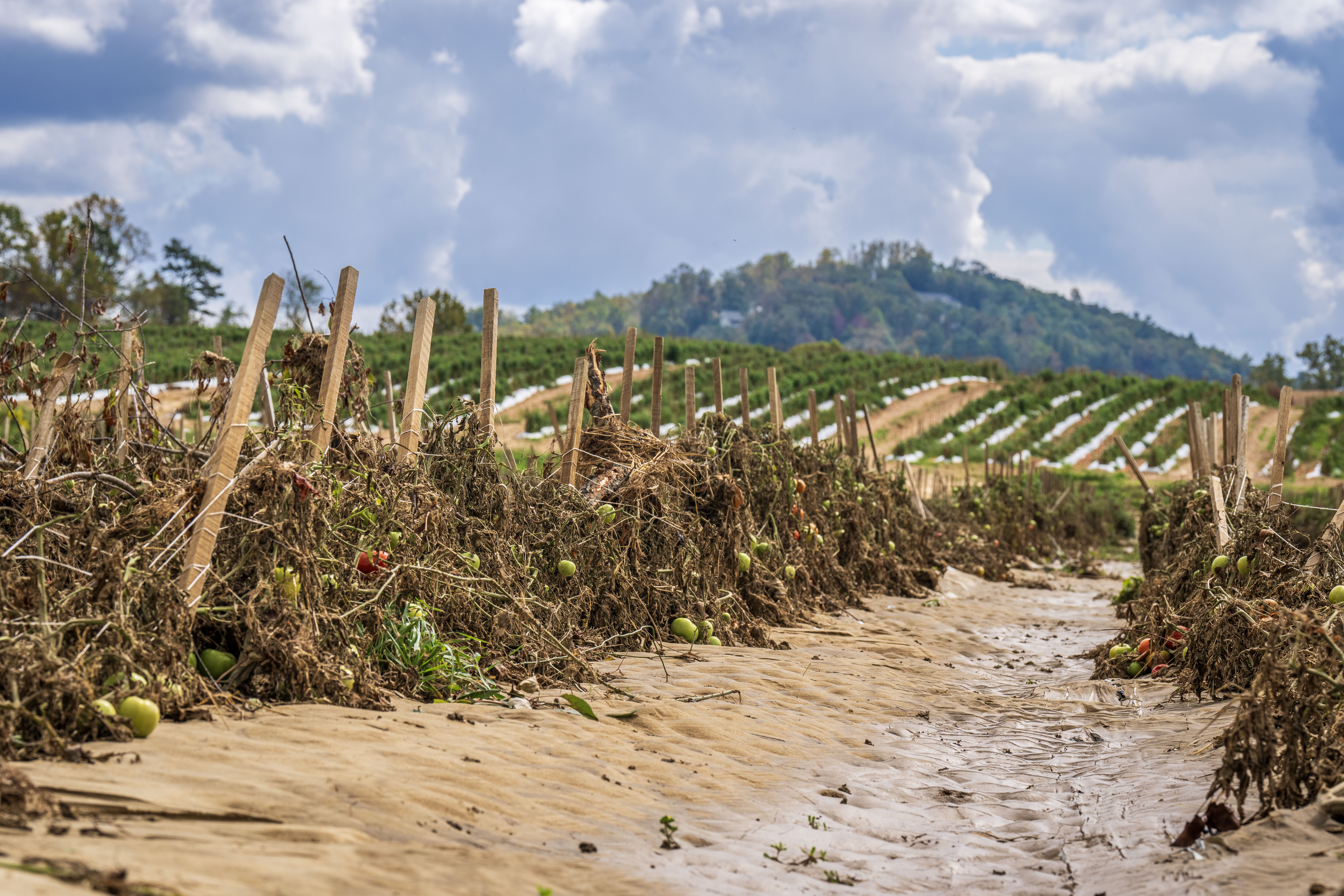
“All the standing crops be it rice, sugarcane, maize, cotton or vegetables have been damaged,” Khalid Mehmood Khokhar, president of the Kissan Ittehad Council (KIC) association, told Arab News on Monday. “For now we can safely say the farmers’ losses must be running in billions (of rupees).”
According to the Pakistan Bureau of Statistics (PBS), agriculture constitutes the largest sector of the economy, contributing about 24 percent of the country’s gross domestic product. It also accounts for about half of Pakistan’s employed labor force and is the largest source of foreign exchange earnings.
Last year, Pakistan’s agriculture sector grew by 0.6 percent. The country had produced 28.4 million tons of wheat in 2024, which was 10 percent less than the preceding year. This year, Pakistan’s food ministry said the government aims to produce 10.2 million bales of cotton, 9.17 million tons of rice, 9.7 million tons of maize and 80.3 million tons of sugarcane.
This target, however, may face a setback, as deluges are expected to move toward the country’s southern regions. Provincial Disaster Management Authority spokesperson Mazhar Chaudhry said 2,300 villages in Punjab alone have been inundated by floods.
He declined to give more details about potential losses, saying the government would be better placed to give estimates once the floods recede.
With floods expected to hit large swathes of crops in Pakistan’s southern Sindh province, economists fear the potential damage to major crops and supply chain disruptions may push the cash-strapped government to increase imports.
“The prices of agriculture commodities react positively amidst expectations of shortage,” Shankar Talreja, head of research at the Karachi-based brokerage firm Topline Securities, said. “So we can expect uptick in inflation led by wheat and food prices including fresh vegetables.”
Talreja said inflation could rise to over 4.5 percent in the month of September due to the uptick in prices. He said similar to the cataclysmic floods of 2010, the ongoing floods will damage Pakistan’s standing crops, particularly rice and cotton.
Adnan Sami Sheikh, assistant vice president of research at the Pakistan Kuwait Investment Company, agreed.
“Loss of crops will likely be met with higher imports, which would impact the balance of payments,” Sheikh said. “Reconstruction efforts would involve higher fiscal spending that would add to government’s borrowing requirements. This would likely push inflation.”
Pakistan is already spending billions in the import of cotton bales. The country produced 7.1 million bales cotton last year against a target of 10.9 million bales, according to the Pakistan Central Cotton Committee data.
KP Finance Minister Muzzammil Aslam estimated the province’s crop losses at 57,892 acres, saying that 5,412 animals had perished in 14 flood-affected districts of the province.
“A comprehensive survey has been initiated to assess damages the calamity has caused,” a document the KP official shared with Arab News said.
Imdad Hussain Siddiqui, former director of operations at Sindh’s Provincial Disaster Management Authority, said the floods would impact Pakistan’s overall economy, agriculture included.
“We all know that the inundation also causes salinity and loss of soil fertility, damaging major crops like wheat, rice, cotton, and sugarcane,” he said.
Siddiqui said this would not only weigh on Pakistan’s exports and GDP growth, but also fuel food insecurity, inflation and unemployment.
Khokhar, meanwhile, rued that the floods had cost farmers “everything.”
“The farmers don’t even have the fodder to feed their livestock,” he said. “Animals too are starving along with humans.”
Source - Arab News