Argentina's agricultural landscape is seeing mixed forecasts: the Buenos Aires Grains Exchange (BdeC) predicts much-needed rain in the north, but potential frosts threaten wheat fields in the southeast.
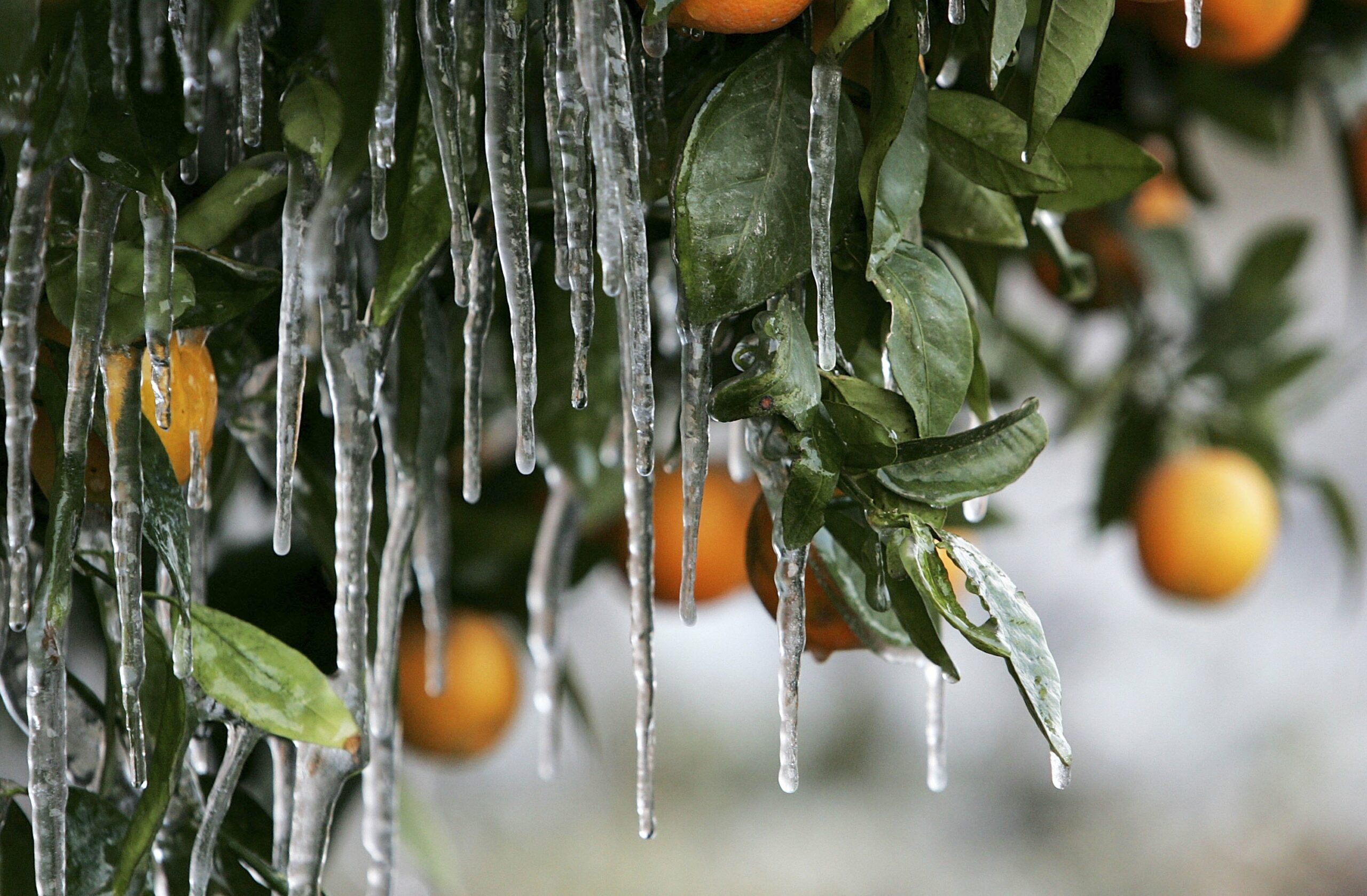
Argentina, a leader in global grain supply, might boost its key exports of wheat, soybeans, and corn with the help of anticipated rains in northern regions, which promise to revive soil moisture and support crop health. But optimism is tempered by frost warnings in southeastern Buenos Aires, posing a real threat to wheat crops just as they reach critical growth stages. The BdeC expects an 18.6 million metric ton wheat yield, alongside significant planting plans for corn and soybeans. These climate factors could heavily influence Argentina's agricultural output. The combination of beneficial rain and damaging frost underscores the volatility faced by farmers, playing a crucial role in the nation's agricultural success and economic stability, given its impact on foreign reserves.
For markets: Nature's impact on Argentina's harvest.
Agricultural markets are closely watching Argentina's weather patterns, as expected rainfall could improve crop yields and stabilize commodity prices. However, frost threats might lead to tighter wheat supplies, potentially increasing prices and affecting global markets that rely on Argentine exports. Stakeholders in the grain markets should monitor these developments, as they could influence pricing strategies and market dynamics soon.
The bigger picture: Weather's role in global agroeconomics.
Argentina's dual challenge of fostering crops amid adverse weather shows the delicate balance in global food supply. With agricultural exports being a key economic pillar, significantly contributing to the central bank's foreign reserves, these climatic shifts could affect economic policies and trade balances. This situation underscores the broader climate impact on agroeconomic strategies and the need for adaptable global agricultural practices.
Source - https://finimize.com