A research team at North Carolina State University is exploring the use of satellite imagery and machine learning to optimize Bangladesh's rice production.
Its early findings suggest encouraging potential, and the model's scope could be expanded.
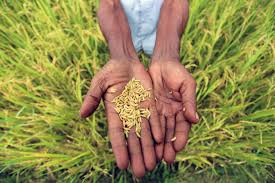
The study targeted Bangladesh for numerous reasons. According to a news release on the study, the Asian country is the world's third-largest rice producer and agriculture accounts for around one-sixth of the country's gross domestic product. A robust 90% of its citizens include rice in their daily diet. Concerningly, though, the release cited Bangladesh as the sixth-most-vulnerable country in the world to climate change, in part because of the associated climate risks to the rice crop.
Unfortunately, the researchers said that field data, the conventional method for farmers to monitor the country's rice, is not keeping up with new challenges.
"They physically go to the field, harvest a crop and then interview the farmer, and then build a report on that," Varun Tiwari, lead author of the study, noted. Tiwari called it "a time consuming and labor-intensive process" and pointed to "inaccuracies" when small data points are scaled up to a national level.
Tiwari said that the current methods don't provide enough time to "make decisions on exports, imports or crop pricing" and limit "long-term decisions like altering crops, introducing climate-resilient rice varieties, or changing rice cropping patterns."
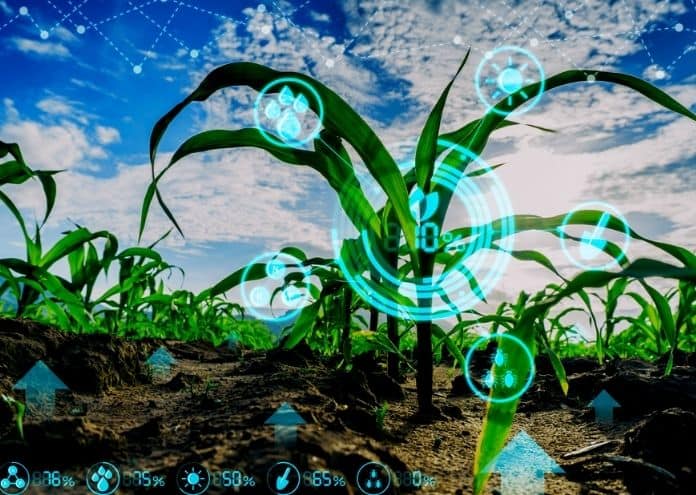
The team sought to improve its model by augmenting field data with satellite data that measured various crop and environmental conditions. Using both data sets, it trained a machine learning model to estimate rice crop productivity in Bangladesh from 2002 to 2021.
The model produced encouraging early results, with an accuracy range of 90% to 92% and a slim 2% margin of error. Using the information, decision-makers can theoretically determine where to allocate additional resources or employ new crop varieties while getting ahead of areas with declining productivity. Tiwari cited the model's capabilities to arm leadership with data "much earlier" to facilitate better, more informed choices.
The N.C. State team's work is another important step in the global effort to fight the changing climate's negative impact on agriculture. Satellite monitoring and similar technological efforts are one way for scientists to better understand changing conditions. Developing climate-resistant crops to adapt to drought conditions, rising global temperatures, and flooding is another key initiative.
Tiwari said that starting with rice farming in Bangladesh was "ideal" and that "it's very important for them to have these estimates right." That's especially true considering the severe flooding in 2024 that damaged the country's rice crop and led to food insecurity. The team pointed out that its model is still in the "early stages of research" but doesn't have to stop at Bangladesh or the rice crop.
"If we can get similar data sets from other regions, we can apply this same framework there," Tiwari said. "Whether it's the U.S, India or an African country, we want this method to be reproducible."
Source - https://www.thecooldown.com