Scientists develop game-changing method to grow crops using 'built-in' fertilizer

08.12.2024 446 views

In a win for crucial cereal crops, researchers have developed a way to allow the plants to convert nitrogen gas from the air to fertilizer to help them grow, as reported by Interesting Engineering.

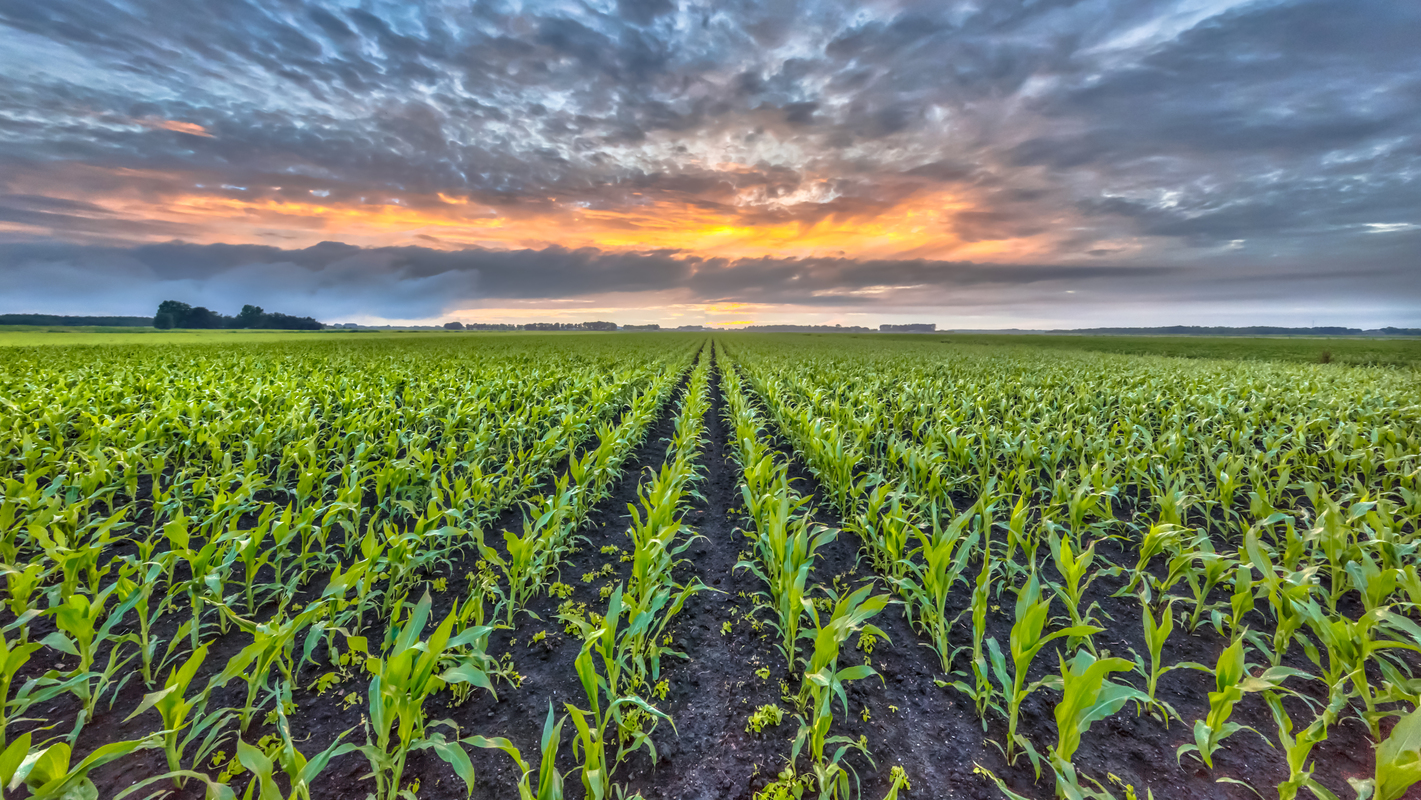
The method, which aims to place a series of a minimum of seven genes into the crops' mitochondria and chloroplasts, allows cereal crops, such as corn and rice, to achieve nitrogen fixation through sunlight without applying fertilizer.

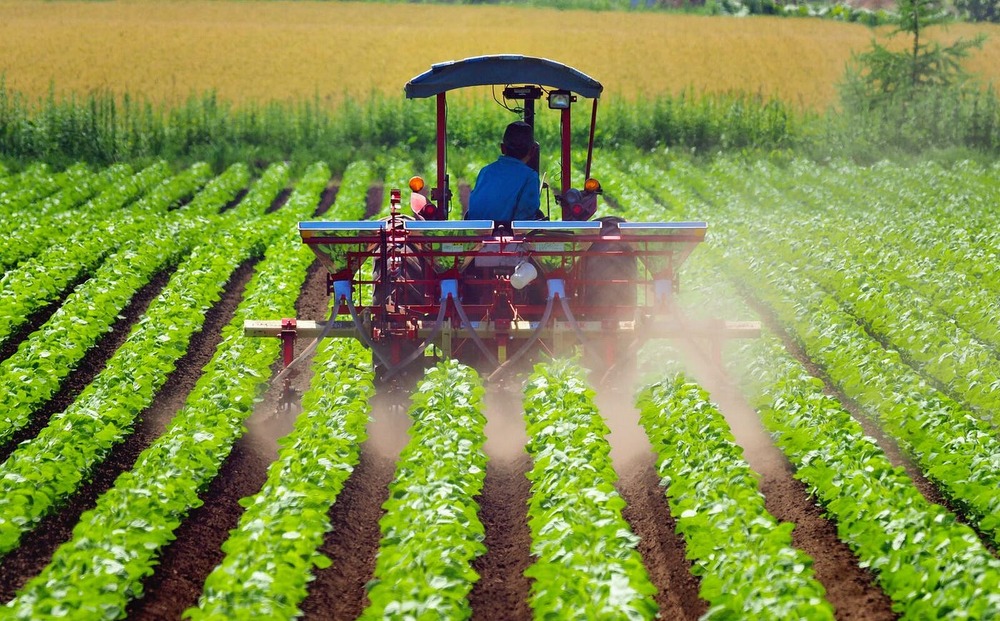
Nearly 100 years ago, the Haber-Bosch process led to an enormous increase in global food production by revolutionizing the conversion of nitrogen in the atmosphere to a form that allowed for the production of fertilizer on an industrial scale.

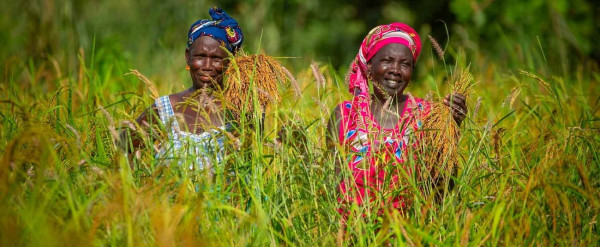
However, despite the mass production of the product, IE explained that many areas, like sub-Saharan Africa, are still unable to get it due to a lack of infrastructure. This area, and others like it, have high food scarcity, an issue that is growing as extreme weather further threatens the crops they can grow.

Ironically, while the Haber-Bosch process has prevented mass starvation, it also has a large carbon footprint. While it allows crops to be mass produced, it also contributes to Earth's overheating, the effects of which are threatening staple products.

Utah State University biochemist Lance Seefeldt told the publication that almost 2% of the world's well of dirty energy is used to produce fertilizer. Not only does this harm the environment, but the fertilizer itself is also damaging, with toxic runoff wreaking havoc on water ecosystems.

To help highly struggling areas and the overall global food supply, which is at risk due to the effects of rising global temperatures, Seefeldt and USU Senior Scientist Zhi-Yong Yang have collaborated on a project with colleagues in Spain and the United States for the past five years to reengineer the biology of cereal crops.

At first, they narrowed the number of genes needed for nitrogen fixation to nine but were later surprised to find they could eliminate some they initially considered critical.

"The goal is to place genes into the crops' mitochondria and chloroplasts, enabling them to generate sufficient energy to drive nitrogen fixation," Yang told IE. "This is a pretty cool piece of evidence. Essentially, these staple caloric crops — rice, corn, and potatoes — could have built-in fertilizer."

"Piece by piece, we're learning what genes and what combination of genes are needed to achieve nitrogen fixation in different cells," Seefeldt said. "Instead of just one horn playing, we're trying to get the whole orchestra to play together."

Aside from providing a solution to end food scarcity in less-developed and less-accessible areas, by eliminating the need for toxic fertilizer for a large subset of crops, the process plays a major role in helping to clean up the food and agriculture industries. Reducing pollution from fertilizer further benefits human health.


Source - https://www.yahoo.com

16.04.2026

USA - Forecast Performance of RMA Expected Yields: Comparison of Yield Projection Methods

Building upon the analyses discussed in the Farmdoc Daily articles of Jan. 27, 2026 and April 1, 2026, this study finds that the current method used by USDA’s Risk Management Agency (RMA) provided the least accurate projection of actual RMA county yields across the five crops and four projection methods examined in this study. 

16.04.2026

Philippines - DAR orients agrarian beneficiaries on crop insurance

The Department of Agrarian Reform (DAR) facilitated an orientation workshop for the agrarian reform beneficiary organizations (ARBOs) from the provinces of Surigao del Norte and Dinagat Islands to strengthen their access to crop insurance and equip them to become authorized underwriters of the Philippine Crop Insurance Corporation (PCIC). 

16.04.2026

Estonia - AgriFi Brings Agricultural Real-World Assets On-Chain with $AGF on Polygon

Agriculture remains one of the largest and most complex industries in the global economy, contributing over $3 trillion annually to global GDP and supporting the livelihoods of billions of people worldwide, according to data from the Food and Agriculture Organization and World Bank.

16.04.2026

USA - Aid Available for Nebraska Wildfire Victims

Just over one month ago, Nebraska experienced the worst series of wildfires in history, burning nearly 950,000 acres. Since then, assistance for farmers and ranchers affected has been rolling in.

16.04.2026

Thailand - Storm batters Si Sa Ket durian orchards, losses hit B39m

A summer storm caused extensive damage to durian plantations in Kantharalak district, toppling hundreds of trees and wiping out tonnes of Thailand’s economic crop just days before harvest, local officials said on Thursday.Following the storm, district chief Somkuan Singkham ordered an urgent survey in tambon Phu Ngern, where strong winds and thunderstorms hit five villages, damaging durian orchards belonging to 110 farmers.The affected fruit is a geographical indication (GI) product known as “Sisaket Volcanic Area Durian,” grown in Khun Han, Kantharalak and Si Rattana districts. Popular varieties include Monthong, Chanee and Kanyao, prized for their creamy texture, mild aroma and relatively dry flesh.

16.04.2026

Cropshader approved for organic farming in Europe

Cropshader, developed by Lumiforte, has been verified as suitable for use in organic farming under the control of Ecocert in Europe. The product complies with the requirements for inputs used in organic production in accordance with applicable European regulations.

15.04.2026

USA - Federal aid programs aim to help Southeast Texas farmers recover from losses

Southeast Texas farmers grappling with crop losses due to extreme weather are turning to federal aid.

15.04.2026

India - Landowners waive lease payments after crop damage

Farmers with large landholdings are doing their part to ease the burden on small and marginal farmers whose crops were damaged by the April 4 storm.