"Total loss of nearly all field crops"
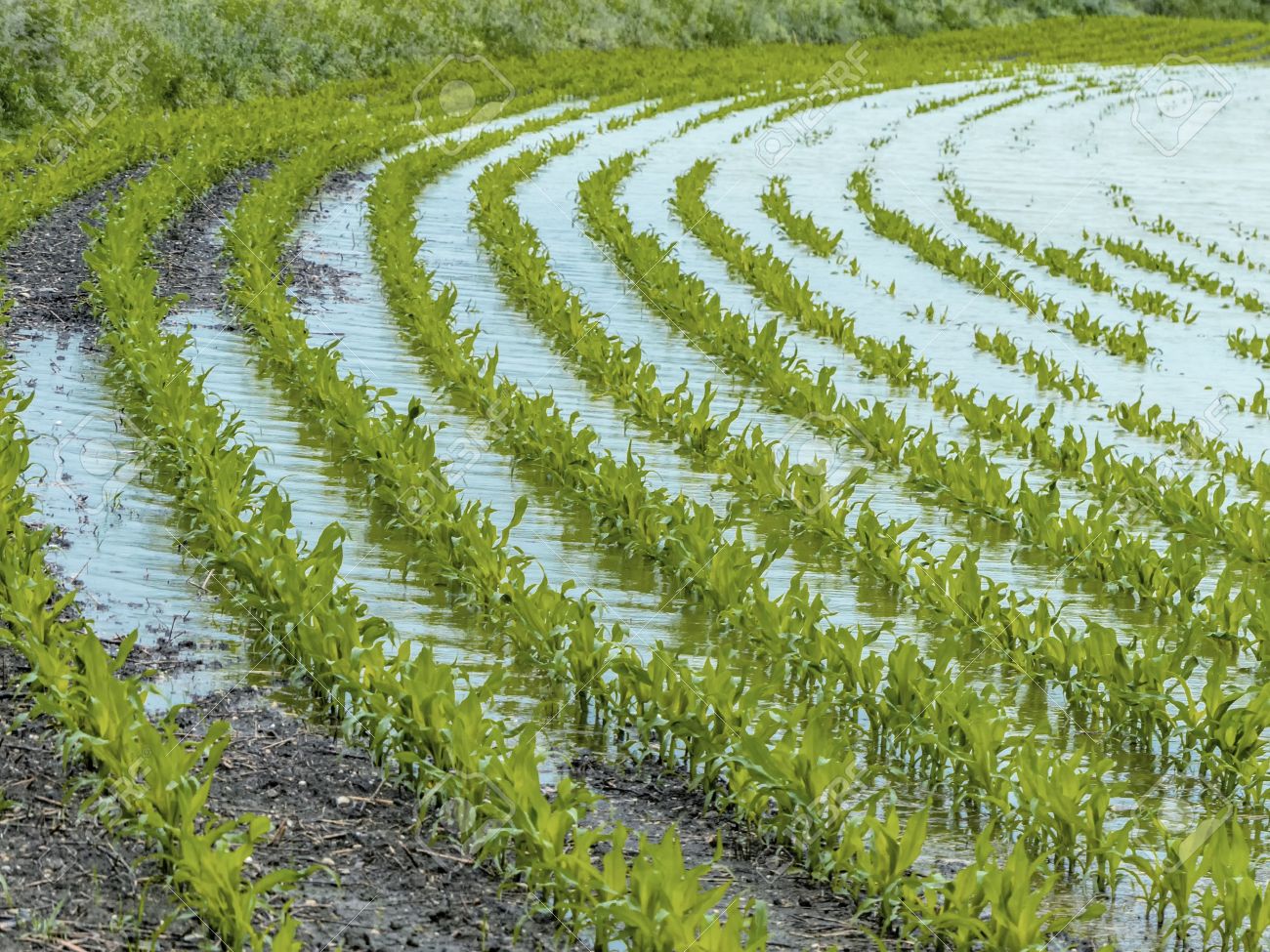
On July 14, severe storms swept through the Nuremberg region and the Upper Palatinate in Germany. About 3,000 firefighters were deployed, and several people were injured. Nuremberg Airport temporarily suspended operations. According to reports, the Nuremberg Integrated Control Center received a record number of approximately 3,000 emergency calls within five hours. The extreme weather events left a trail of devastation, particularly in the northern part of the Knoblauchsland vegetable-growing region, as revealed by a site inspection. According to initial estimates, a total of approximately 400 hectares in Knoblauchsland were affected.
At the Seischab farm in Nuremberg-Kraftshof, near the airport, the extent of the damage is immense, as managing director Stefan Seischab tells us. "We've suffered total losses in nearly all our open-field crops, whether cut herbs, Swiss chard, or cauliflower. As a result, we've had to cancel orders for both our grocery retail programs and other customers with a heavy heart." Although there have been various weather-related losses in open-field cultivation in recent years, the vegetable producer has "never experienced" weather damage on this scale, he added.
The damage is a severe setback for the regional vegetable-growing sector, especially in what had been a "good sales year" for open-field produce so far. "We've been able to achieve good market prices so far, especially for cut herbs. However, this is now throwing a wrench in our plans," says Seischab, who had already suffered damage to his greenhouse during the previous hailstorm a few weeks ago (as reported by FreshPlaza), though that damage was comparatively "still within limits."
Autumn crops also partially destroyed
Rudolf Dworschak, an organic herb producer and managing director of the company bearing the same name, points out the consequences for the regional vegetable industry. "Even the crops intended for the fall, some of which have been affected, cannot be replanted in numerous instances. This means that a large portion of the revenue will also be lost." Franken-Gemüse eG, the region's largest cooperative marketing partner, has also confirmed the severe storm damage but does not wish to comment on the financial extent of the losses at this time.
Birgit Kretschmann, district farmer for the city of Nuremberg in the Bavarian farmers' association and a vegetable grower in the northern part of the Knoblauchsland region, also confirms the severe damage to summer and fall crops and points out the short- and long-term consequences of the severe weather events. "Basically, the storm has damaged every crop to some extent—whether it's lettuce, cabbage, beans, carrots, or fall vegetables like pumpkins. The same applies to the potatoes, which haven't fully matured yet and therefore can't be stored. They're now increasingly turning green. We've even had to deal with damage in the asparagus fields, which, of course, are completely harvested by this time of year. Depending on how the fields recover in the coming months, this may also lead to lower yields next year."
Price increases for cabbage lettuce
When asked, Kretschmann estimates that up to 90 per cent of the total crop on her own farm fell victim to the storm. The same applies to many colleagues in the surrounding gardeners' settlements north of Nuremberg. "Even though our colleagues in the southern part of our region have fortunately not been as severely affected, we are definitely short on the necessary harvest volumes, which in turn is reflected in the prices. For cabbage lettuce, for example, there have already been price increases, while there is already increased reliance on produce from the Palatinate and imported goods." She concludes by noting that, for medium-sized producer operations in particular, this could, in the worst-case scenario, contribute to them having to permanently cease operations.
Source - https://www.freshplaza.com