Efforts to combat livestock diseases in response to 15% drop in beef production. Communal livestock farmers in KZN have received much-needed dipping chemicals to help prevent tick-borne diseases.
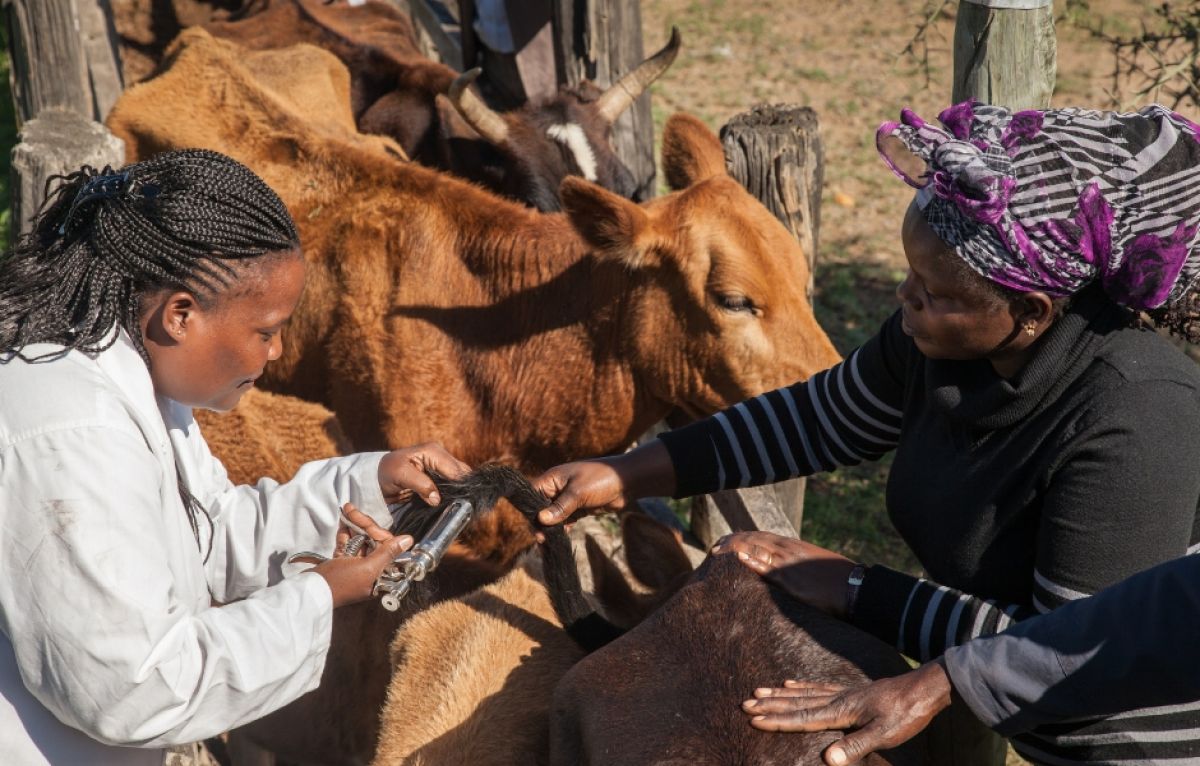
Thousands of chemicals were handed over when Agriculture and Rural Development MEC Thembeni Madlopha-Mthethwa visited the area recently.
Dipping remains one of the most effective ways to prevent ticks and tick-borne diseases. In the last year alone, around 60 000 cattle have succumbed to tick-borne diseases such as red water, heartwater and anaplasmosis in KZN.
Nationally, these diseases are accountable for an estimated 15% drop in beef production, exacerbating economic strain on farmers and disrupting the supply chain to retailers.
A lack of adherence to cattle dipping routines or a shortage in acaricides were suspected to be the leading causes. Reacting to the spread, MEC Madlopha-Mthethwa said the most sought-after chemical, acaricides, would be distributed across all 11 districts.
Three KZN districts – Zululand, King Cetshwayo and uMkhanyakude – are still under restriction due to foot and mouth disease (FMD), with movement control measures prohibiting farmers from trading their livestock beyond their district borders. In the fight to contain the disease, kaMadlopha-Mthethwa advised local farmers to contact the department for guidance when moving animals.
“The control measures are still in place and clinical surveillance is ongoing to ensure early detection of FMD,” she said.
“In KwaZulu-Natal, the challenge is exacerbated and complicated by the FMD carrier status of buffalo populations in some game reserves in close proximity to communal livestock and borderline areas. FMD is a cause for concern as it impacts red meat production and its export prospects.”
Source - https://www.citizen.co.za