Cherry insurance contracts have fallen 63,46% in the province of Alicante between 2021 and 2026, according to the data analyzed by ASAJA Alicante. The agricultural organization argues that the current policy conditions do not reflect the characteristics of the crop and leave numerous farms without protection.
ASAJA Alicante has conveyed to the Ministry of Agriculture this week the need to reform the cherry insurance program. The organization demands that the Generalitat defend your proposals before the Ministry of Agriculture, the State Entity for Agricultural Insurance, IN THAT, and Agroseguro.
The organization claims that it submitted several modifications to the 2026 Agricultural Insurance Plan more than a year ago. However, it states that these proposals have not been addressed.
"When farmers stop taking out insurance, it's not because there's less risk, but because insurance no longer reflects the reality of the countryside," argues ASAJA Alicante.
The organization points out that agricultural insurance originated as a tool to guarantee the continuity of farms in the face of adverse weather conditions. In its view, the current system has lost some of its fundamental principles of universality and solidarity.
A covering that does not adapt to the varieties
The head of the Agricultural Insurance department of ASAJA Alicante, Antonio GascónHe explains that many farms cultivate cherry varieties with different flowering and harvesting periods. These can range from extra-early to very late varieties.
For this reason, the organization considers it inappropriate to calculate frost and rain damage across the entire farm. ASAJA proposes that losses be assessed by varietal group, taking into account their respective flowering and harvest dates.
"Covering the damage caused by frost and rain across the entire farm is absolutely unfeasible for the cherry producer," says Gascón.
ASAJA Alicante also denounces the fact that some policies individualize coverage based on claims history over the past few years. According to the association, this system prevents certain traditional farms from obtaining protection against frost or crop failure caused by adverse weather conditions.
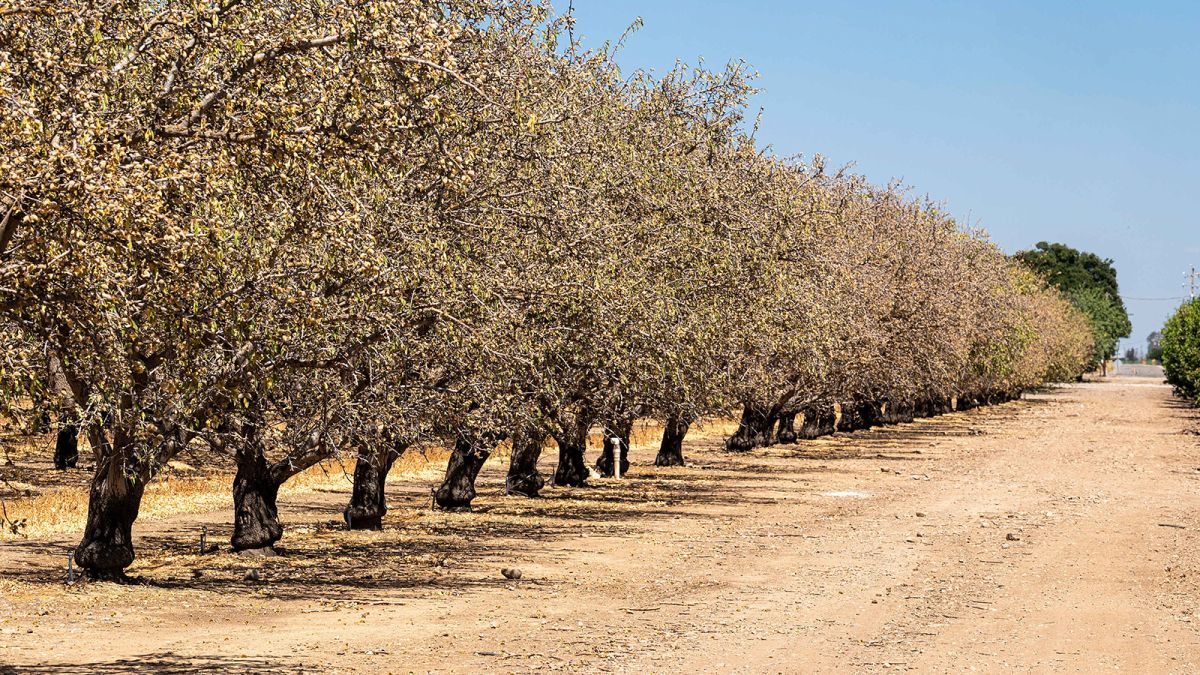
The organization warns that this situation leaves farmers without a financial safety net in the face of potential production losses. A harvest affected by frost, heavy rains, or drought can jeopardize the viability of a farm that lacks insurance.
Six campaigns marked by adversity
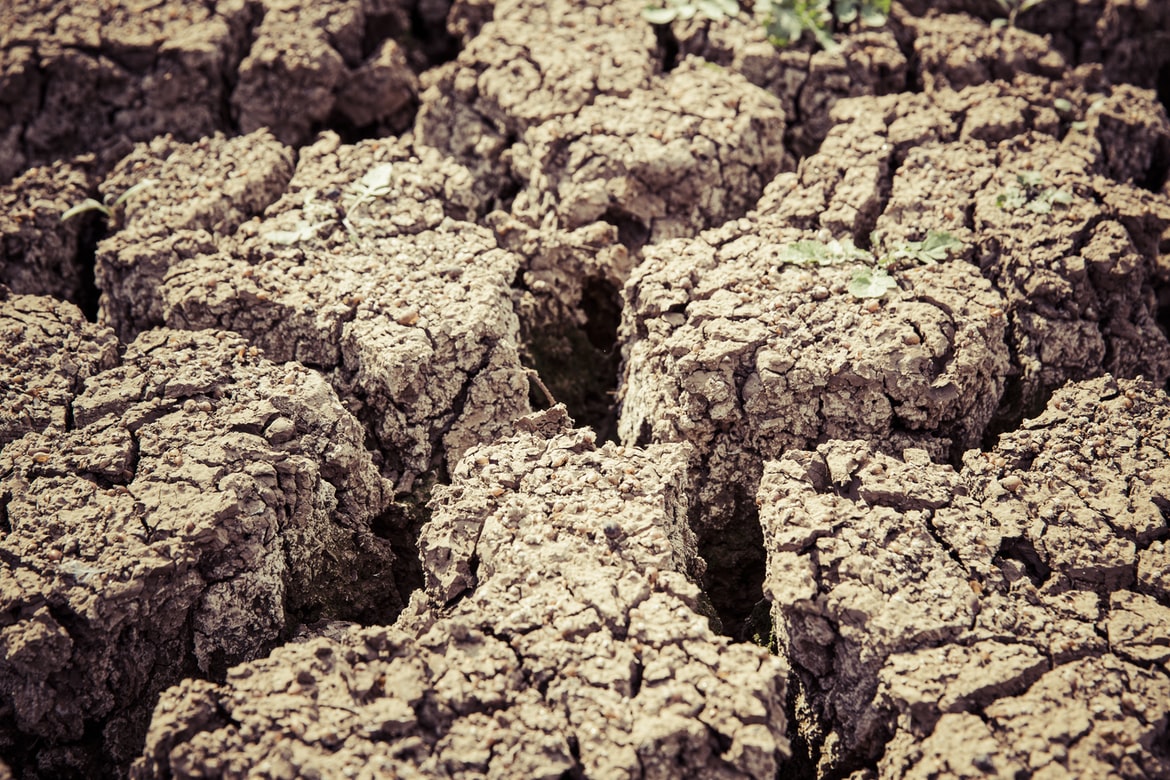
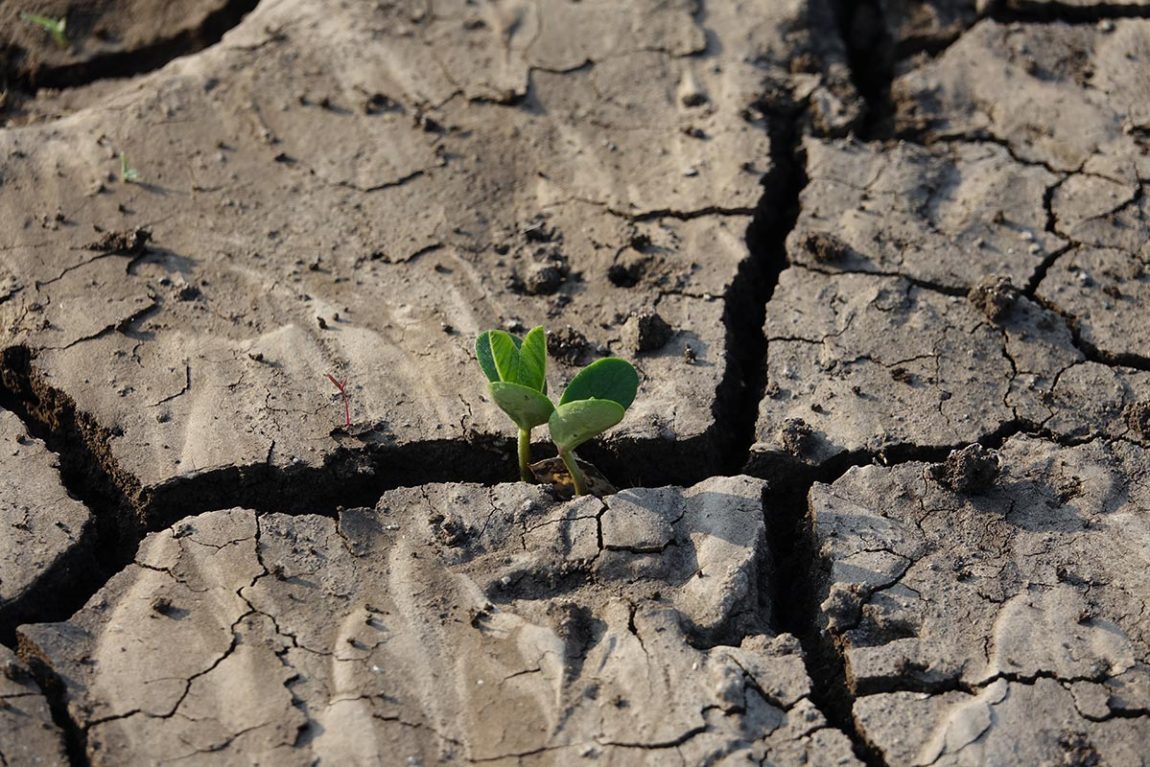
The Alicante cherry sector is linked Six seasons affected by drought, adverse weather events and increased production costsAccording to ASAJA, this context has aggravated the difficulties of farms located mainly in the mountainous regions of the interior of the province.
The Valencian Community allocates about 35 million euros per year to subsidize the contracting of agricultural insurance. ASAJA Alicante believes that the Generalitat It should not limit itself to financing policies, but should also demand changes to ensure their effectiveness.
"It cannot simply fund the system; it must demand that it works," the organization points out.
ASAJA warns that unaffordable or poorly adapted insurance policies can accelerate the abandonment of farmland. The organization links farm closures to economic, landscape, environmental, and social consequences, as well as a greater risk of depopulation in the producing municipalities.
"Without effective insurance, the future of cherries and the towns that depend on this crop is seriously compromised," concludes ASAJA Alicante.
Source - https://diariodealicante.net