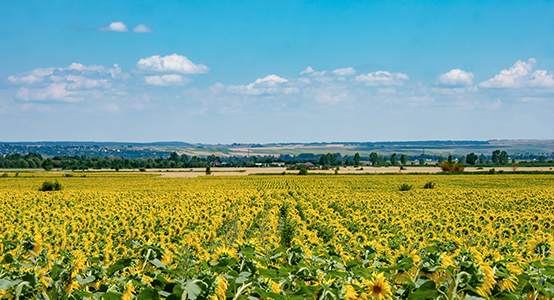
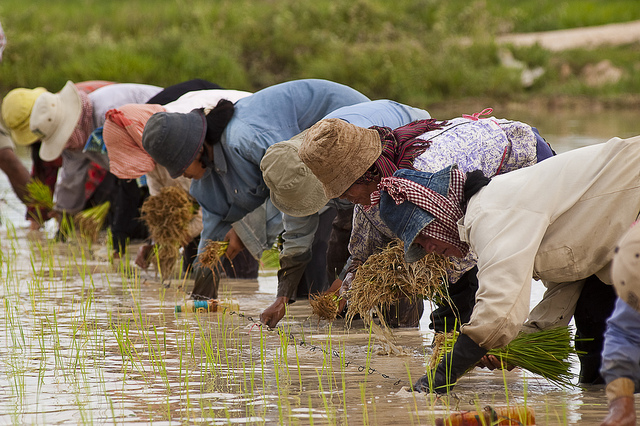
The proliferation of illegal fires in Trinidad in Tobago is affecting the country’s food security, with over 3,000 bushfires reported and approximately $888,000 in crops destroyed as a result, during the 2024 dry season.
Speaking at the 17th National Climate Outlook Forum: 2025 Dry Season Outlook on Wednesday, Fire Officer Kenroy Adams said there should be more enforcement regarding illegal bushfires.
He said the number of fires has been steadily increasing with figures as follows:
2021: 1,087 fires
2022: 1,547 fires
2023: 2,653 fires
2024: 3,380 fires [to date].
Combined with global warming and human activity and the chance of dry spells, Adams said this suggests a worsening trend in bushfire occurrences throughout the country.
“A lot of times we have to deal with members of the public who may indiscriminately burn things in their yards…which leads to bigger bushfires.”
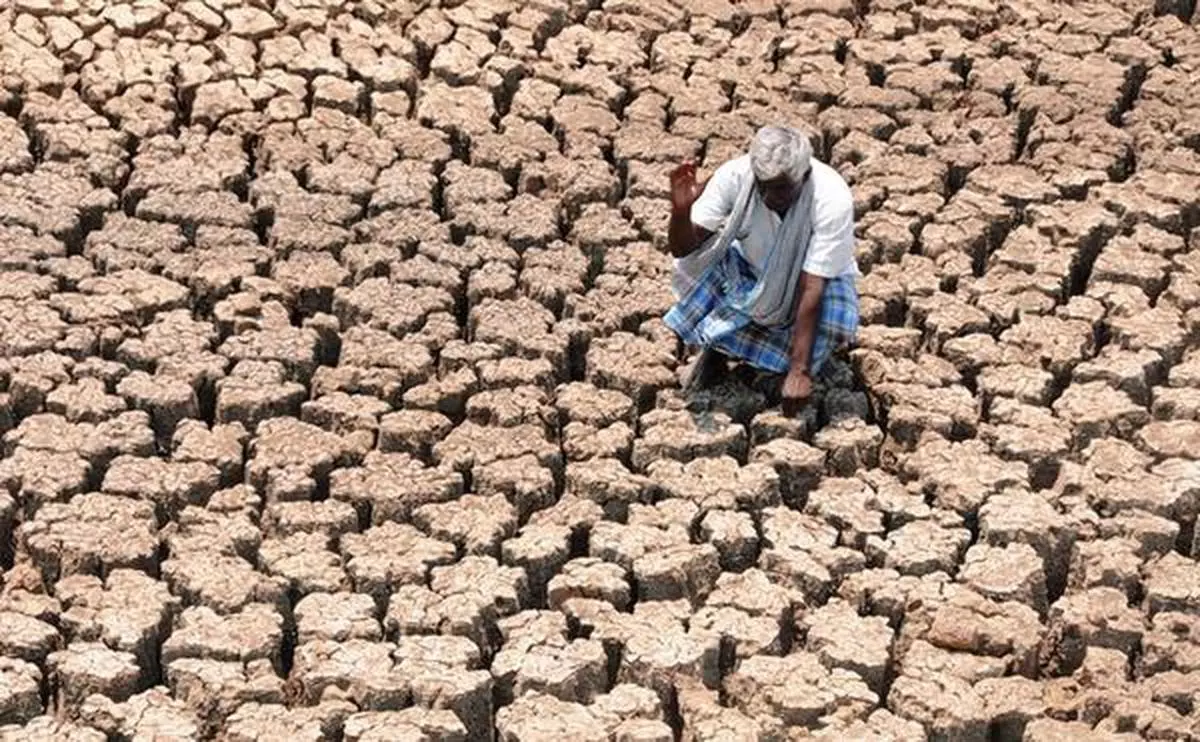
Farmers experienced increasing losses in destroyed crops due to bushfires, with a shocking 80 per cent increase in crop losses this year compared to 2023:
2021: $3,031,400
2022: $655,200 (78.4% decrease compared to 2021)
2023: $492,100 (24% decrease compared to 20220
2024: $888,985 (80.7% increase compared to 2023)
During March, the hottest time of the season, the number of bushfires soared with over 1,000 bushfires reported.
Adams said educational awareness is needed to make the public aware of the dangers of unsafe bushfires, as well as stricter enforcement of rules and regulations for starting illegal fires during the dry season.
“Yes, we have penalties in place, but are these penalties actually enforced?”
Hope for wet start to 2025 Dry Season
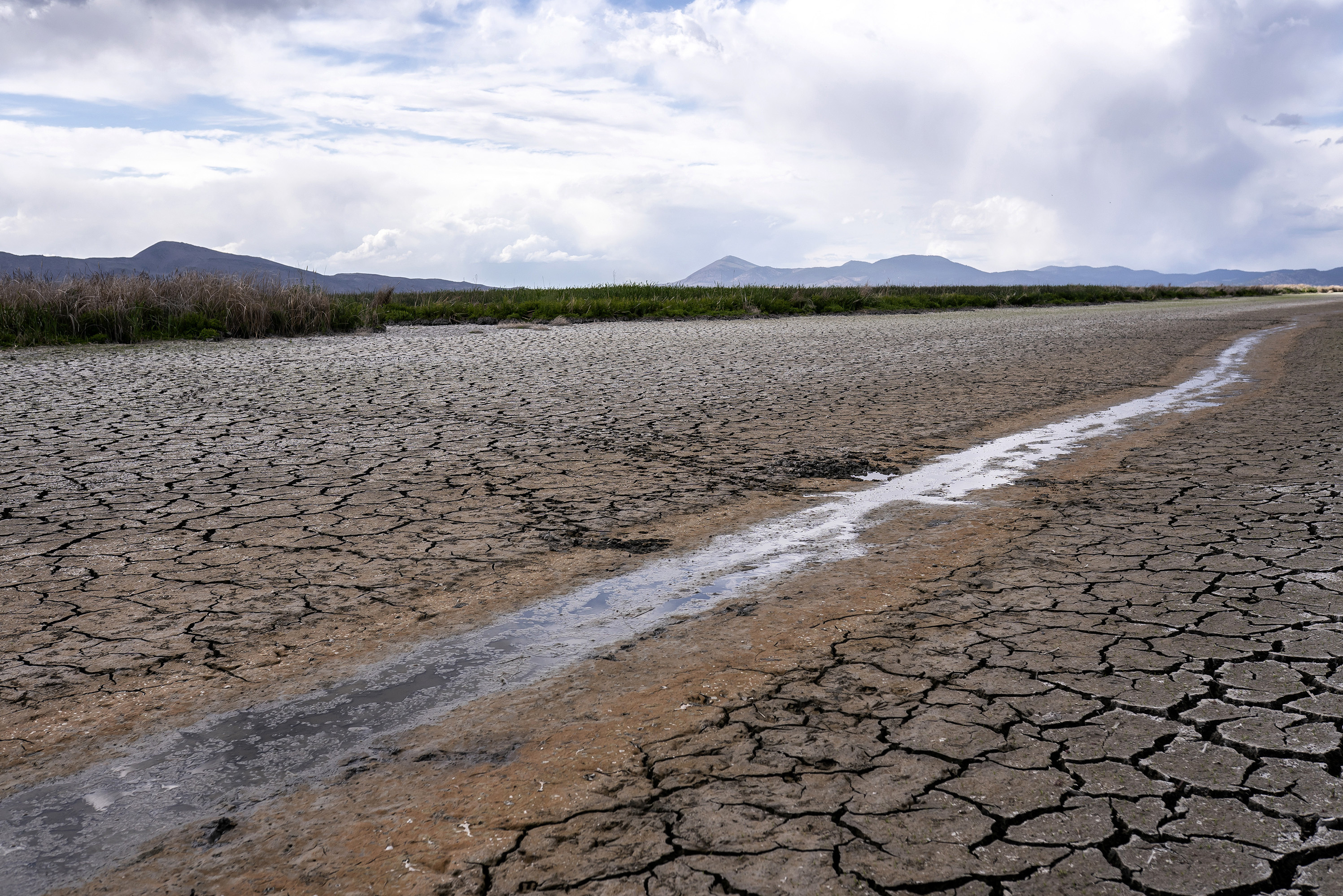
Overall, the Trinidad and Tobago Meteorological Service said it expects a wet start to the 2025 Dry Season, with near-normal to above normal rainfall for the first half of the Dry Season, from January to March.
Meteorologist Ean Wallace said hopefully the presence of rainfall in the first half of the Dry Season could help to mitigate the intensity of bushfires:
“Given what we’ve looked at over the past few weeks and the ffact that conditions have been wetter than usual in some areas, but as we go forward, bush fires and the likelihood of getting forest fires, that will most likely be tapered for the first part of January, February and March. But March is usually our driest month so even though we talk about above-normal rainfall amounts, the fact that…if you get 35 or 40 millimetres [of rainfall] that’s still not enough to completely eliminate bushfires.
“The fact that the rainfall amounts will be near normal, hopefully…for the first half of our Dry Season…we [may] see more cloud cover…a bit more rainfall at least to keep conditions less dry, then at least for the second half of our Dry Season, that should lessen the impacts of bush and forest fires. But again, this would only be specific for Eastern areas of Trinidad and Eastern areas of Tobago.”
He noted that in North-western areas of Trinidad there could still be dry pockets that might lead to bushfires, but it might be less than expected.
During the Dry Season, which is from December 1- June 30, permits are needed for outdoor fires, without which the fire-starter may be liable to a hefty $20,000 fine or even six months’ jail time, if found liable, as well as expenses incurred for putting out the fire.
Source - https://tt.loopnews.com